
When planning a safari, many guests focus on the chance to see the famous Big Five (the lion, leopard, elephant, rhino and buffalo), but a healthy African wilderness is about more than the popular sightings. Look a little closer, and you’ll find an intricate network of relationships between plants, animals, insects, water sources and the landscapes they inhabit. Every species, from the largest elephant to the smallest dung beetle, has a role to play in keeping the ecosystem functioning.
This is the beauty of safari biodiversity. It reminds us that the bush is not simply a collection of individual animals, but a living, interconnected system where every part matters.

1. Every species has a role to play
The African ecosystem depends on a delicate balance of relationships. Some animals shape their surroundings, others control populations, while many help recycle nutrients and maintain the health of the environment.
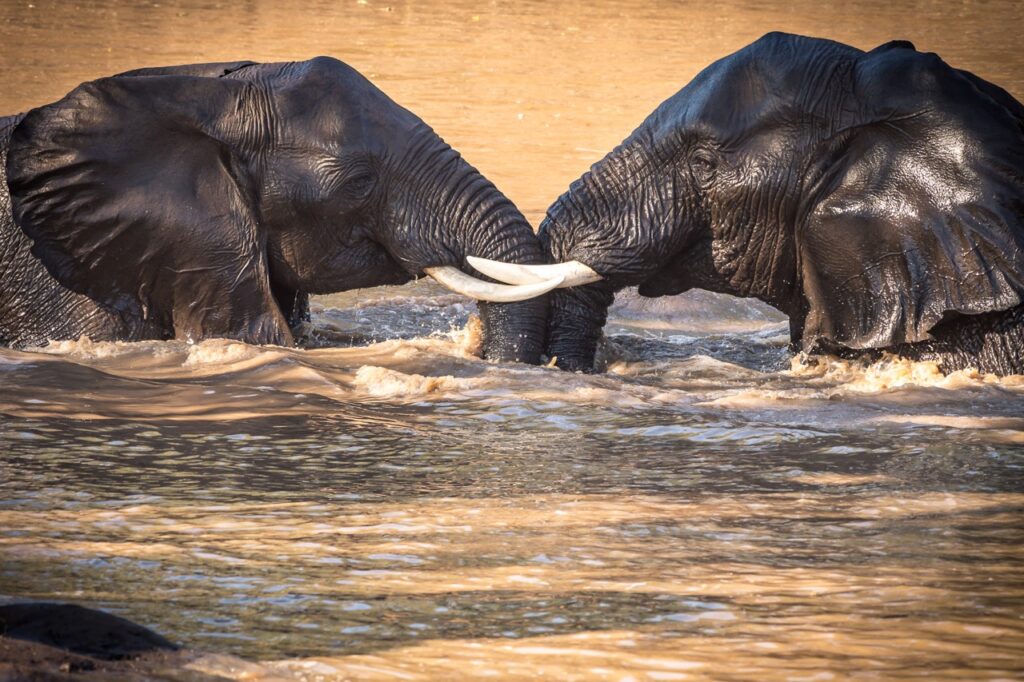
For example, elephants are often referred to as ecosystem engineers. Elephants have a considerable influence on the landscape that they move through. By pushing over trees, breaking branches, and feeding on vegetation, they help shape woodland structure and create open spaces. These changes can provide opportunities for grasses to grow and create habitats for other species.
Their movements also help disperse seeds. Seeds carried through their digestive systems can be deposited across large distances, contributing to the regeneration and spread of certain plant species.
Predators play another important role. Lions, leopards, and other carnivores help regulate prey populations, influencing the balance between herbivores and the vegetation they feed on. This contributes to the complex relationships that keep the ecosystems functioning.
Even animals that are not often seen by safari guests have an important place in this network. Remove one part of an ecosystem, and the effects can extend much further than expected.
2. The small creatures making a big difference
Not every important wildlife sighting comes with a dramatic entrance. Some of the bush’s hardest workers are small, often overlooked creatures.
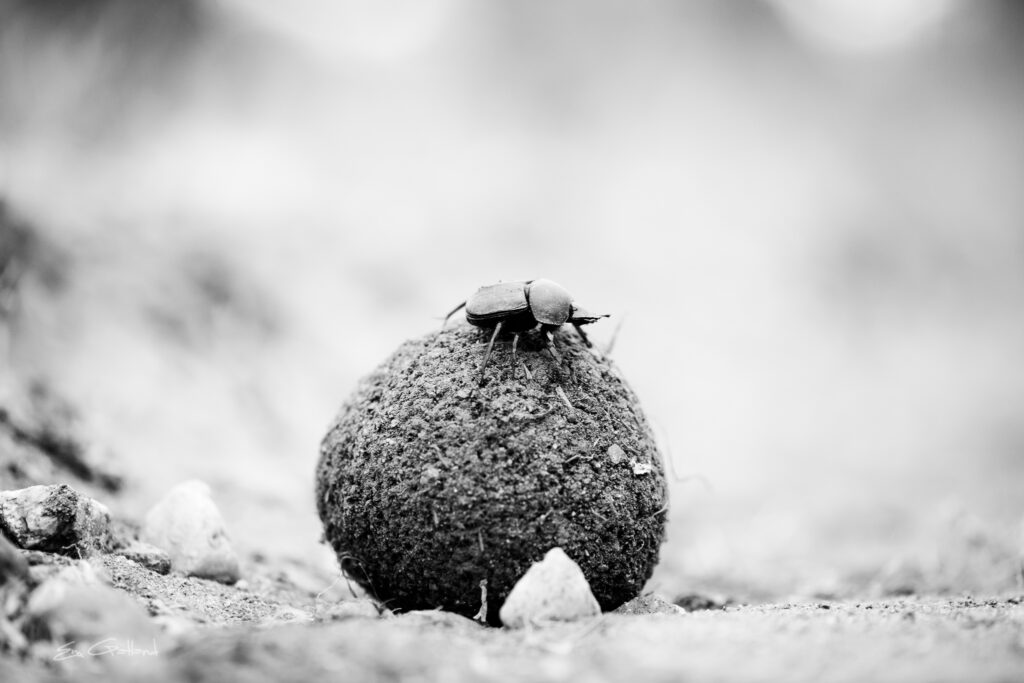
Dung beetles collect and bury animal dung, using it as a food source and breeding material. In doing so, they help break down organic matter, return nutrients to the soil, and improve soil structure. Their activity can also help disperse seeds and reduce the availability of breeding sites for certain parasites and flies.
Vultures are also an essential part of a healthy ecosystem. As scavengers, they feed on carcasses that might otherwise remain in the environment for longer periods. Their highly acidic stomachs allow them to digest harmful bacteria that could cause disease in other animals. By rapidly consuming carcasses, vultures help limit opportunities for some disease-causing organisms to spread.
Often overlooked are termites, which play a vital role in the bush. They break down dead plant material, recycle nutrients, and help aerate the soil. Their mounds can also influence the surrounding vegetation, creating small pockets of different plant growth that attract other animals.
These examples show why biodiversity matters. The health of an ecosystem depends not only on its most visible inhabitants, but also on the smaller species working quietly beneath the surface.
3. Water, vegetation and habitat: The foundations of wildlife
Wildlife cannot exist independently of its surroundings. Water, food and suitable shelter all influence where animals live, how they move and how they interact with one another.
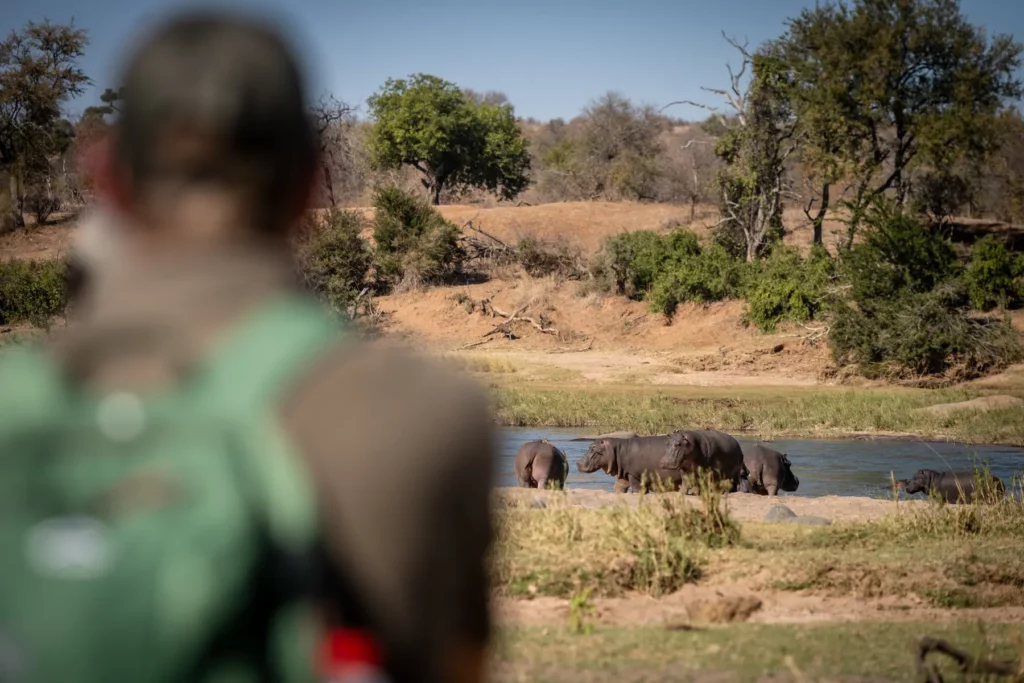
Waterholes, rivers and seasonal drainage lines are particularly important in the Greater Kruger region. During drier periods, these sources become gathering points for wildlife. Elephants, buffalo, antelope and predators may all visit the same water source, creating opportunities for fascinating interactions.
At Chacma Bush Camp in the Maseke Balule Game Reserve, the waterhole in front of the lodge offers guests an opportunity to observe these relationships as they unfold. An elephant arriving for a drink, an antelope keeping watch nearby, or birds gathering along the water’s edge are all part of a much bigger ecological picture.
Vegetation is equally important. Different habitats support different species, depending on the availability of food, shelter, and suitable breeding areas. Woodlands provide browsing opportunities for giraffes and elephants, while open grasslands attract grazers such as zebras and wildebeest. Dense vegetation offers cover for smaller mammals and birds, while rocky outcrops can provide shelter and nesting sites for certain species.
In the Greater Kruger landscape, these habitats often exist side by side. Their variety allows a wide range of African wildlife to coexist within the same reserve.

4. The connections between predator and prey
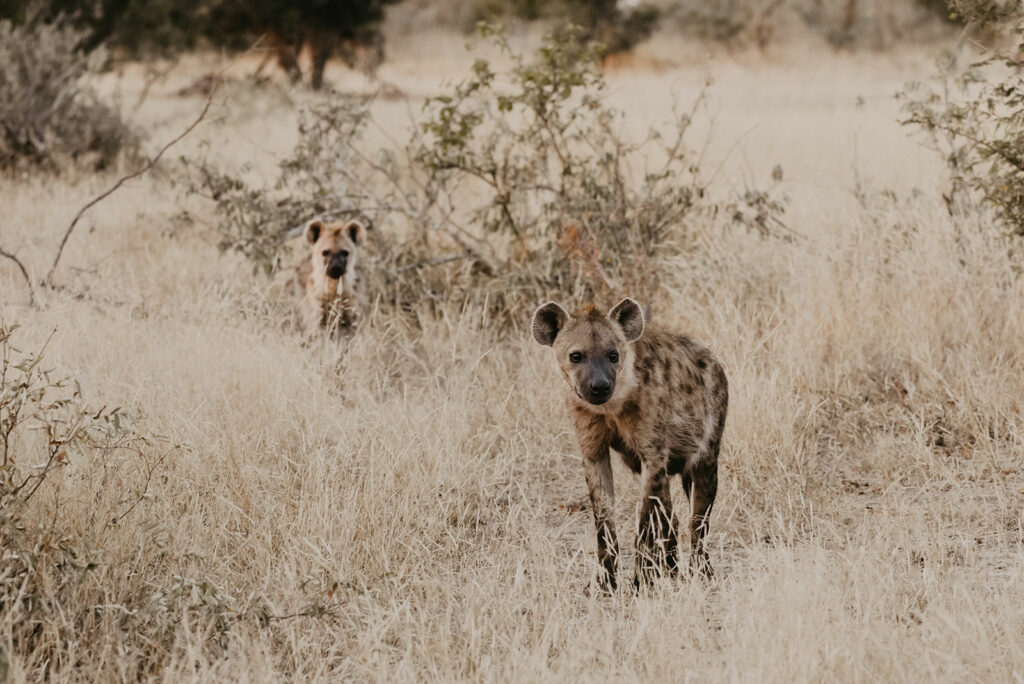
One of the most fascinating aspects of African ecosystems is the relationship between predators and prey. Lions, leopards, hyenas, and other carnivores depend on healthy prey populations for survival. At the same time, herbivores influence the vegetation through their feeding habits, while the availability of vegetation affects where they can live and find food.
These relationships are not always straightforward. Predators influence prey behaviour, too. The presence of lions in an area may cause herbivores to change their movement patterns or feeding locations. This can influence how vegetation is used across the landscape.
Scavengers then form another link in the chain. When a predator makes a kill, vultures, hyenas, jackals, and smaller scavengers may benefit from what remains. In turn, insects and microorganisms help break down the material left behind, returning nutrients to the environment.
What appears to be a single wildlife encounter is often part of a much longer chain of ecological interactions.
5. Why biodiversity makes every safari sighting meaningful?
A safari is often measured by what animals guests manage to see. Spotting a leopard resting in a tree or watching a herd of elephants cross the road can be unforgettable experiences.
But understanding the connections behind these sightings adds another dimension to the experience. For example, a dung beetle rolling a ball of dung across a sandy track might seem like a small encounter, but it is an opportunity to understand how nutrients are recycled. A vulture circling overhead is more than a photograph; it is a reminder of the important role scavengers play in keeping the environment healthy.
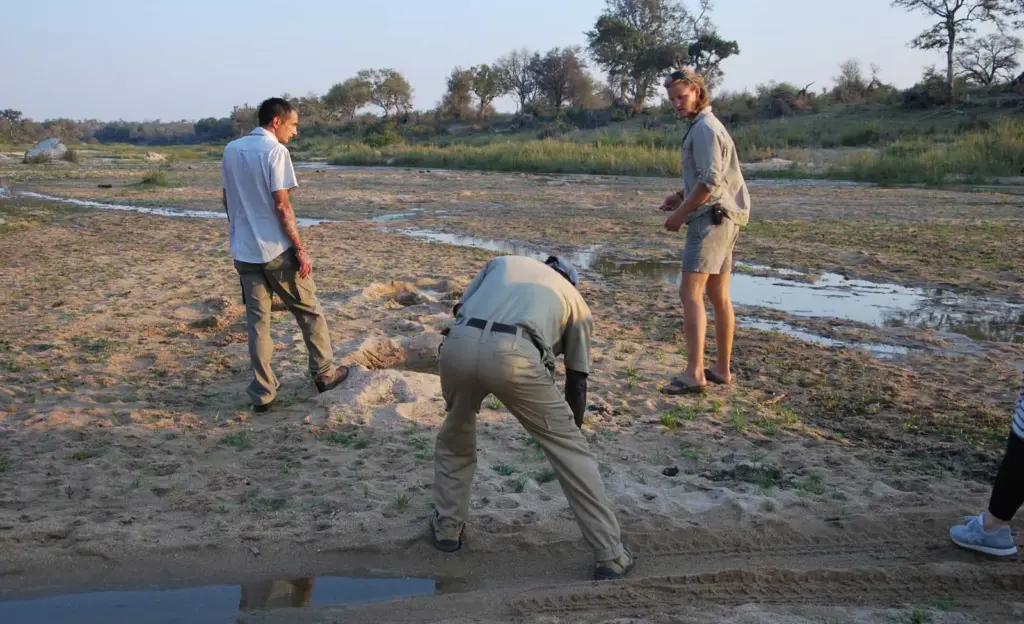
Even tracks in the sand, feeding marks on trees, and bird calls can tell a story about the relationship between species and their surroundings.
This is where the knowledge of experienced guides and trackers becomes invaluable. Their ability to interpret animal behaviour, recognise tracks, and identify subtle changes in the environment helps guests see beyond the obvious.
At Sun Destinations’ camps and lodges across the Greater Kruger region, every game drive offers an opportunity to discover something new. Whether following elephants through the bush, watching birds gather around a waterhole, or learning about the smaller creatures that support the ecosystem, there is always more happening than meets the eye.
6. Protecting the connections that keep the bush alive
Conservation is not only about protecting individual species. It is also about safeguarding the habitats and ecological relationships that allow wildlife to thrive.
Healthy ecosystems need functioning water systems, diverse vegetation, suitable breeding habitats, and the natural processes that connect different species. Protecting one animal while overlooking the wider environment it depends on is not enough.
Biodiversity conservation, therefore, requires a broader understanding of the bush. It means recognising the importance of predators and prey, protecting habitats, respecting natural wildlife behaviour, and understanding the role of even the smallest creatures.
Responsible safari tourism can contribute to this awareness by giving visitors the opportunity to experience African ecosystems first-hand and learn why their protection matters.
A different way to experience the African bush
The Big Five will always be an exciting part of an African safari, but they are only one part of a much bigger story.
The next time you head out on a game drive, take a moment to look beyond the larger animals. Notice the birds, insects, vegetation, and tracks. Ask your guide about the relationships between the species you encounter and the role they play in the environment.
You may discover that the most meaningful safari moments are not always the most dramatic ones.
At Sun Destinations, we believe that travel is connection. And there is perhaps no better place to experience this than in the African wilderness, where every species, habitat and natural process is connected.