
One of the most special moments on a safari is when your guide slows down (either in a vehicle or on foot), and their eyes focus on the ground. In the soft sands, a story unfolds.
Tracking is more than just a skill; it is the art of reading the unseen. Before you lay eyes on an animal, its presence is already written beneath your feet. Whether it might be a turned leaf, a scuffed path, or a perfectly formed track in the dust, each one is a clue.
And for our talented trackers at the Sun Destinations properties, these signs are not just marks; they are moments waiting to be discovered.
Here are five animals you might be able to track when visiting a Sun Destinations property:
1. Lion
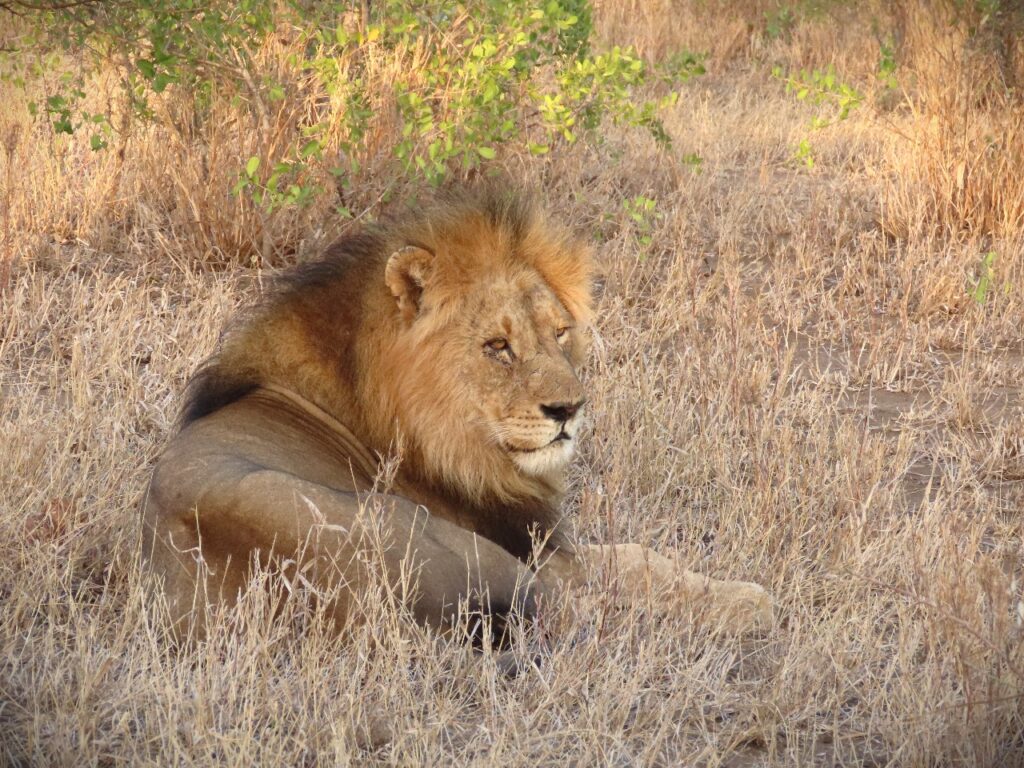
Lion tracks are often the easiest big tracks to recognise, yet they still carry a sense of quiet anticipation. Their large, rounded shape and clean edges, free from claw marks, are a telltale sign of a powerful predator moving silently through the bush. Unlike other animals, lions retract their claws as they walk, leaving smooth, defined prints. What also makes lion tracks especially exciting is that they are rarely alone. A scattering of overlapping prints can reveal the movement of an entire pride, each step bringing you closer to a potential sighting.
As Conride, a tracker at nThambo Tree Camp, explains, “Lions are easy to track because they move in a group, so their tracks are easier to follow.” For trackers and guests alike, following these prints turns the safari into a story unfolding in real time.
2. Elephant
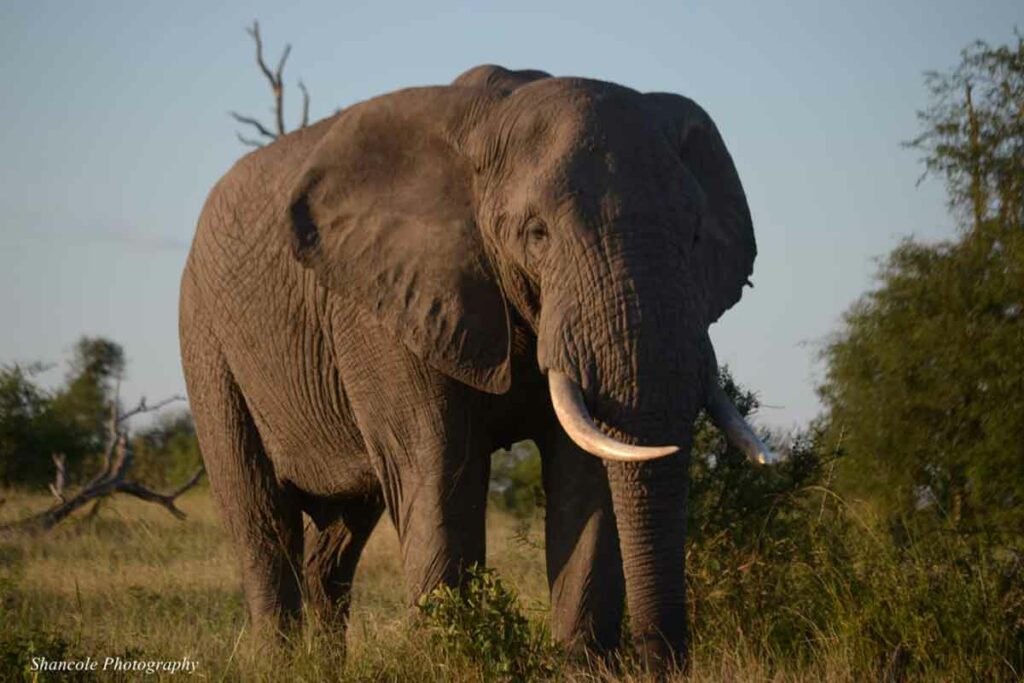
Elephant spoors is unmistakable. Their enormous, circular footprints press deeply into the earth, often revealing the outline of their toenails and the sheer weight of their bodies. But beyond their size, elephant tracks offer remarkable detail. Smaller prints alongside larger one’s hint at calves moving with the safety of the herd, while surrounding signs (such as broken branches, stripped bark, and scattered vegetation) paint a vivid picture of recent feeding activity.
For Ntwanano, guide and tracker at Africa on Foot, tracking elephants is about more than just following footprints: “They are exciting to track because of their sheer size, grace, and complex social interactions. It’s easy to tell their behaviour by looking at the tracks, as well as the evidence they leave behind.” In many ways, elephants don’t just leave tracks; they leave entire stories behind them.
3. Leopard
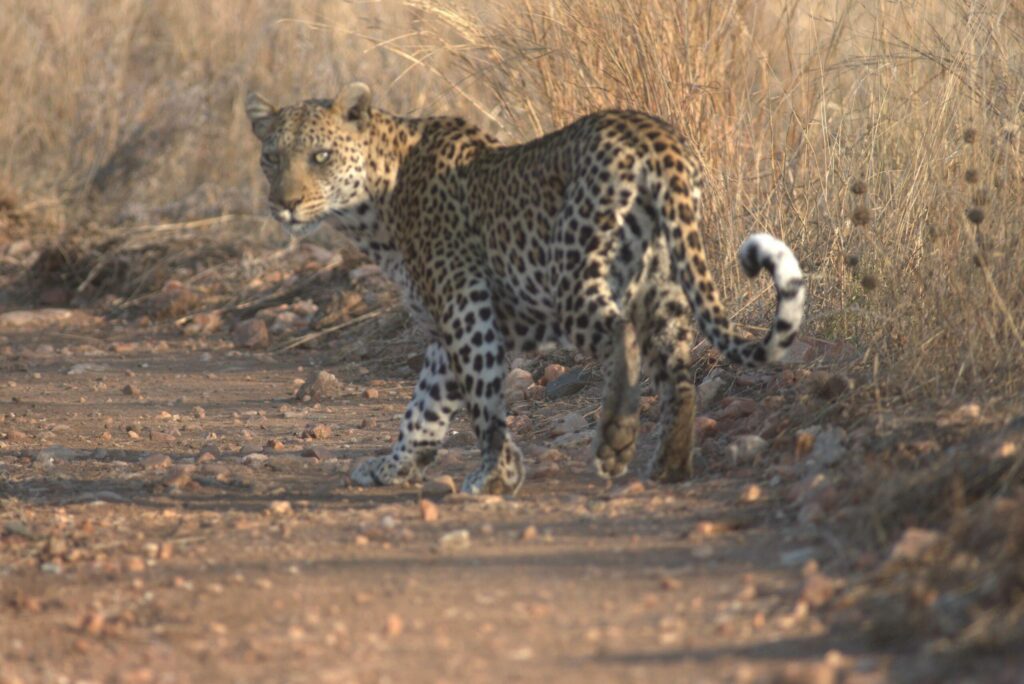
Finding a leopard is where tracking becomes a true art form. Their tracks are smaller than those of a lion but similar in shape; these prints are defined by their rounded form and the absence of claw marks (thanks to the leopard’s retractable claws). However, what makes these tracks fascinating is not just how they look but what they represent. Leopards are elusive, solitary and masters of camouflage, often moving under the cover of darkness and disappearing into the dense vegetation by day.
Following their tracks can feel like chasing a ghost through the bush. Sometimes, the story deepens, and drag marks in the sand may reveal that a kill has been made nearby. As Mashaba, a tracker at Umkumbe Safari Lodge, recalls, “I found drag marks in the sand along a road. I followed them and eventually found a leopard feeding on its kill.” It’s moments like these that make leopard tracking both challenging and unforgettable.
4. Rhino
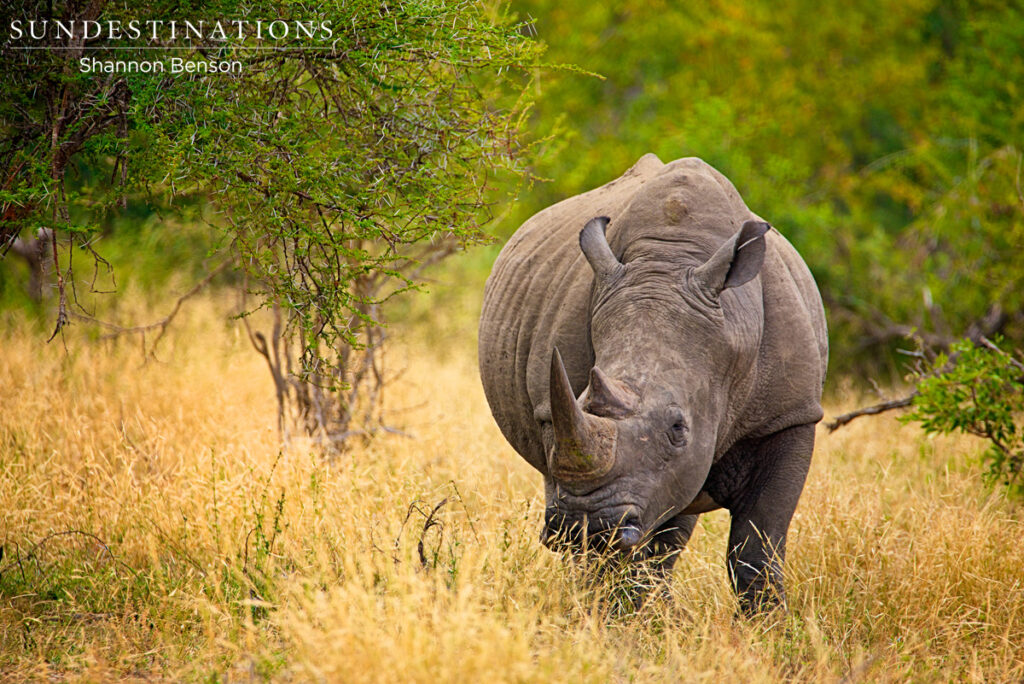
Rhino tracks, with their distinctive three-toed imprint, feel like something from another time. At first glance, they may seem easy to follow, but in reality, rhinos are among the more challenging animals to track. Their movements are unpredictable; they wander while feeding, circle back on themselves, or suddenly shift direction with purpose.
As Royden, guide and tracker at Africa on Foot, explains, “Rhinos are typically hard to track because they don’t walk in a straight line. They move in circles while feeding or go on a mission toward water or when a male is patrolling.” One memorable tracking experience highlights this perfectly: after losing the trail in a mud pan, the only clues left were droplets of drying mud and faint smears on leaves. Hours later, the rhino was finally found resting, its presence betrayed only by oxpeckers nearby. Tracking rhino is a test of patience, but one that is deeply rewarding.
5. Buffalo
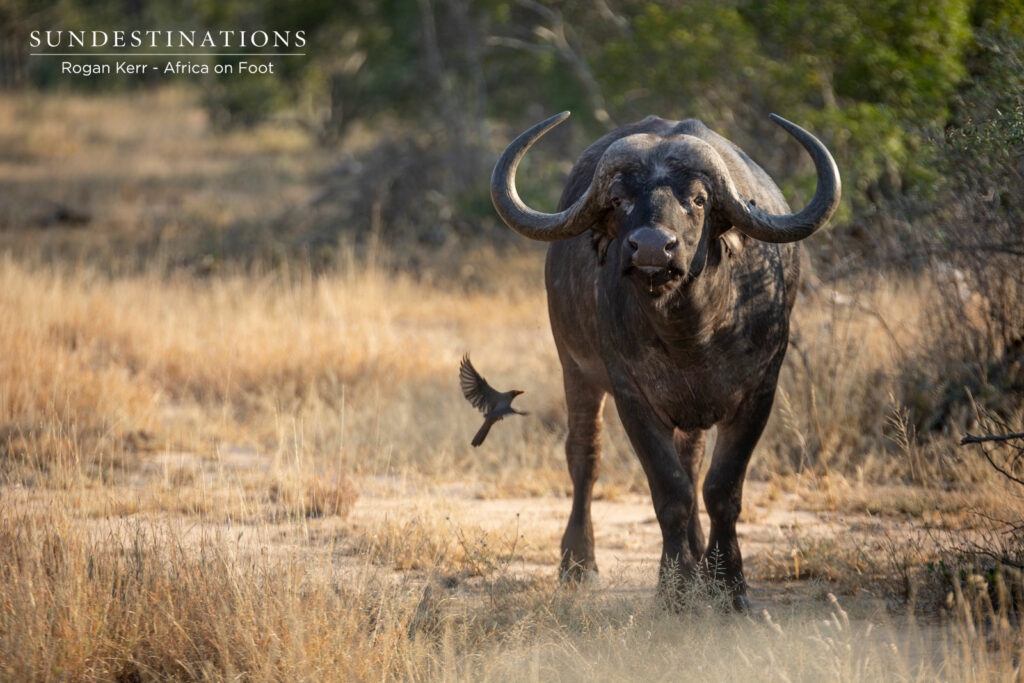
Buffalo tracks tell a very different story: one of movement, mass and momentum. Their cloven hoof prints are wild and rounded, but it’s rarely a single track that stands out. Instead, the ground often appears chaotic, marked by the passage of an entire herd. These overlapping impressions depict the power of numbers, as buffalo move together across the landscape.
For trackers, it’s not just about identifying the tracks, but interpreting the density, freshness, and direction to understand where the herd might be heading. Fresh tracks, combined with dung and a lingering scent in the air, can signal that the animals are close, sometimes closer than expected. In these moments, tracking becomes not just fascinating but exhilarating.
Tracking takes a safari from being a game of chance into a journey of discovery. It’s the moment before the sighting: the anticipation, the quiet focus, the unravelling of a story in sand. With every track, you begin to see the bush differently. It becomes not just a landscape, but a living, breathing narrative.
Because in the wild, the greatest sightings begin with a single footprint.
Join us on a walking safari and learn to read the bush for yourself at Africa on Foot or at Africa on Foot Wilderness Trails.