
When planning to go on safari, one often prioritises sighting the Big 5 animals. The Big 5 are the lion, the leopard, the elephant, the rhino and the buffalo. And while it is always thrilling to tick these sightings off your proverbial checklist, they are still only a small part of what makes the Greater Kruger an extraordinary place to visit.
Where did the term Big 5 come from? It originally referred to the five most dangerous animals to hunt on foot in Southern Africa. The name was coined by big game hunters and was less about size and more about the challenge and risk involved in hunting these formidable creatures.
Over the years, the meaning of ‘Big 5’ has changed. Today, the term is primarily used to highlight the most iconic and sought-after wildlife sightings. This has thus become a symbol of the allure of the African landscape rather than of danger. This shift reflects the growing focus on wildlife tourism, celebrating animals for their ecological and cultural significance rather than their difficulty to hunt.
The vast wilderness of the Greater Kruger is alive with diversity. From the elusive predators to the choir of birdlife and the smaller creatures, all of these animals work together to keep the ecosystem turning. Every game drive offers something different and unexpected.
Here’s what else you can look forward to:
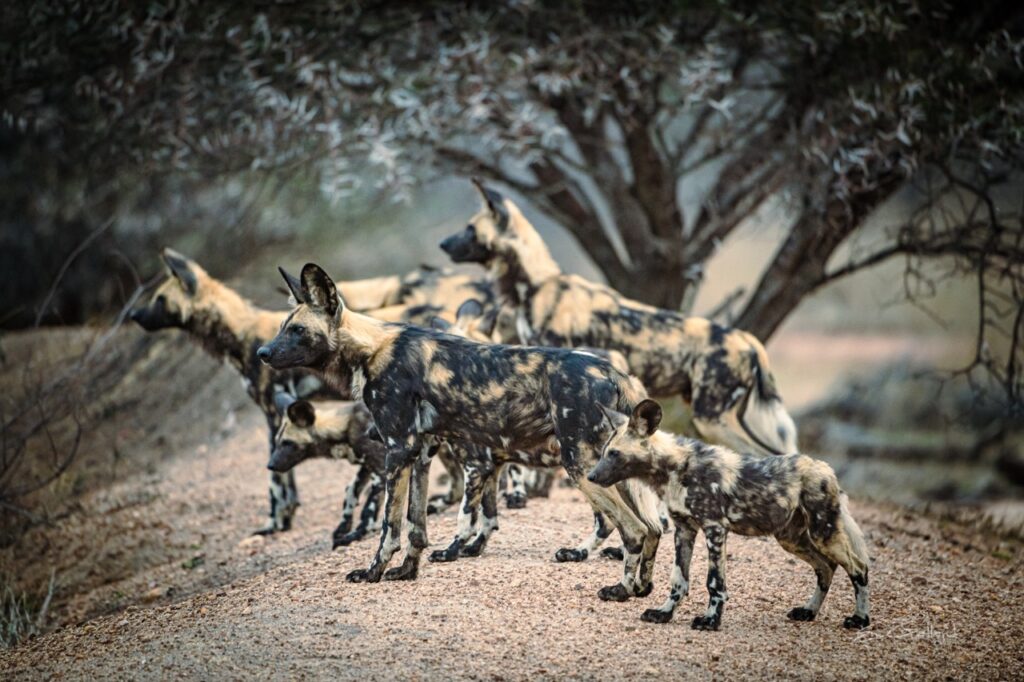
1. African Wild Dogs
Endangered and incredibly elusive, these remarkable predators are one of the most sought-after animals in the Greater Kruger.
African wild dogs move in coordinated packs and are known for their incredible hunting success rate. Each member of the pack takes on a specific role to make the hunt successful. They bring a sense of energy and urgency to any sighting. Whether you spot them on the move or resting near a den, it is a moment that feels both rare and deeply special.
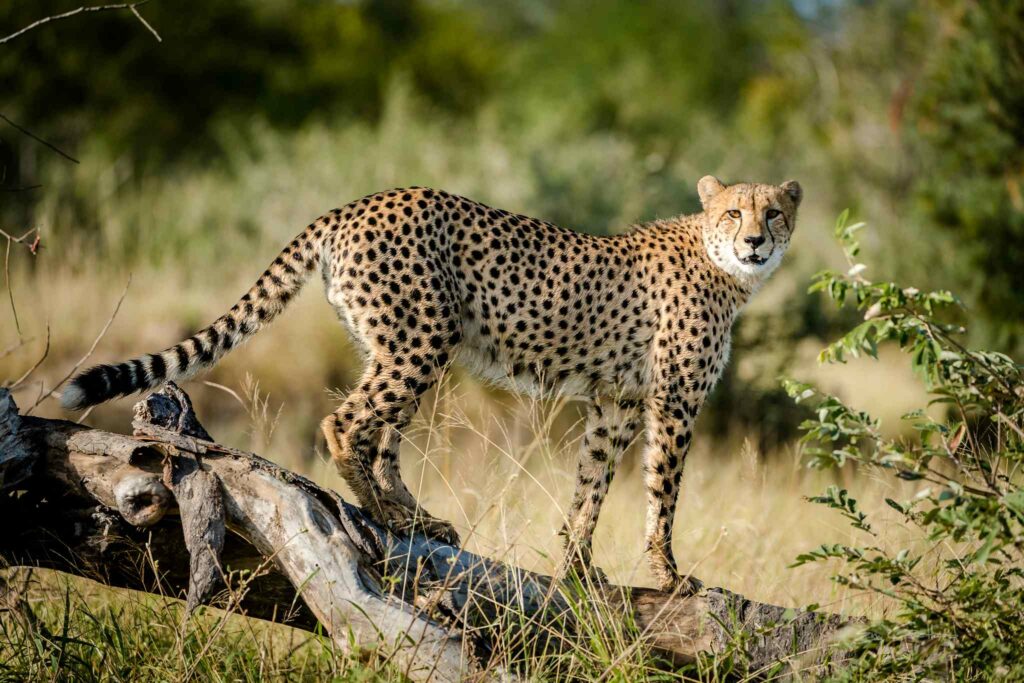
2. Cheetahs
The fastest land animal, spotting cheetahs, is a completely different predator sighting from a lion or leopard. Unlike leopards, who slink in the shadows, cheetahs are often active during the day, which means that you can witness them scanning the horizon from a termite mound or setting off on a hunt.
The cheetah is a fascinating animal that is built uniquely for speed and for adapting in the open plains. They have semi-retractable claws, which act as running spikes for grip, and a long tail which functions as a rudder during high-speed chases.
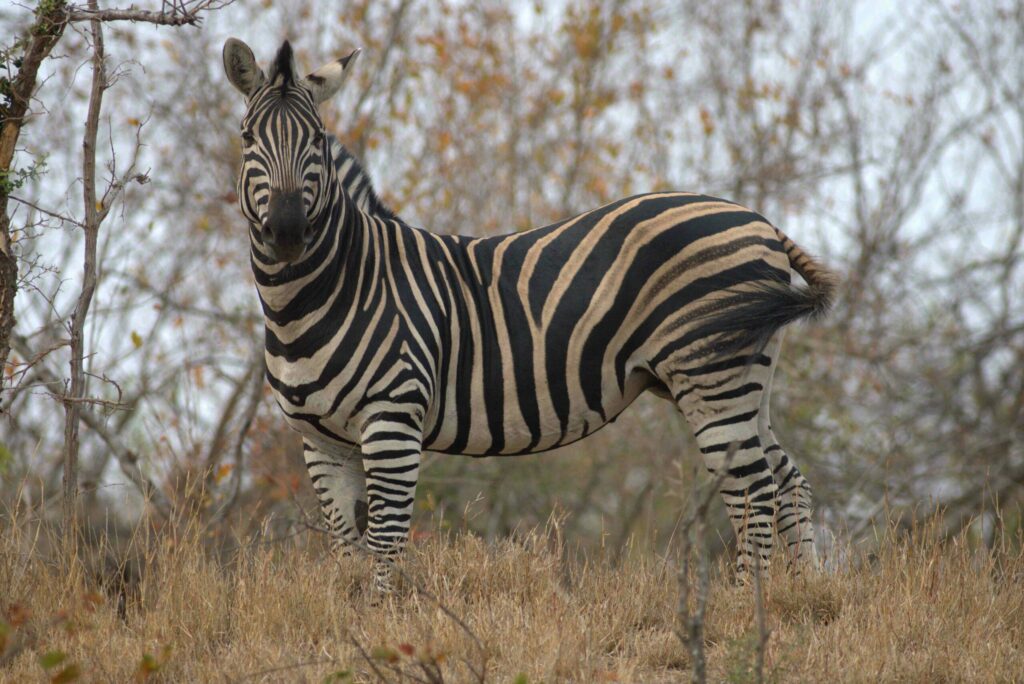
3. Zebras
At first glance, zebras might all look the same, but if you look a little closer, you can see that no two stripe patterns are the same.
When zebras are in their herds, their strong social bonds shape their movements and behaviour. Zebras are often seen alongside wildebeest for increased protection and feeding efficiency. They are a constant presence on the plains, adding rhythm and contrast to the landscape.
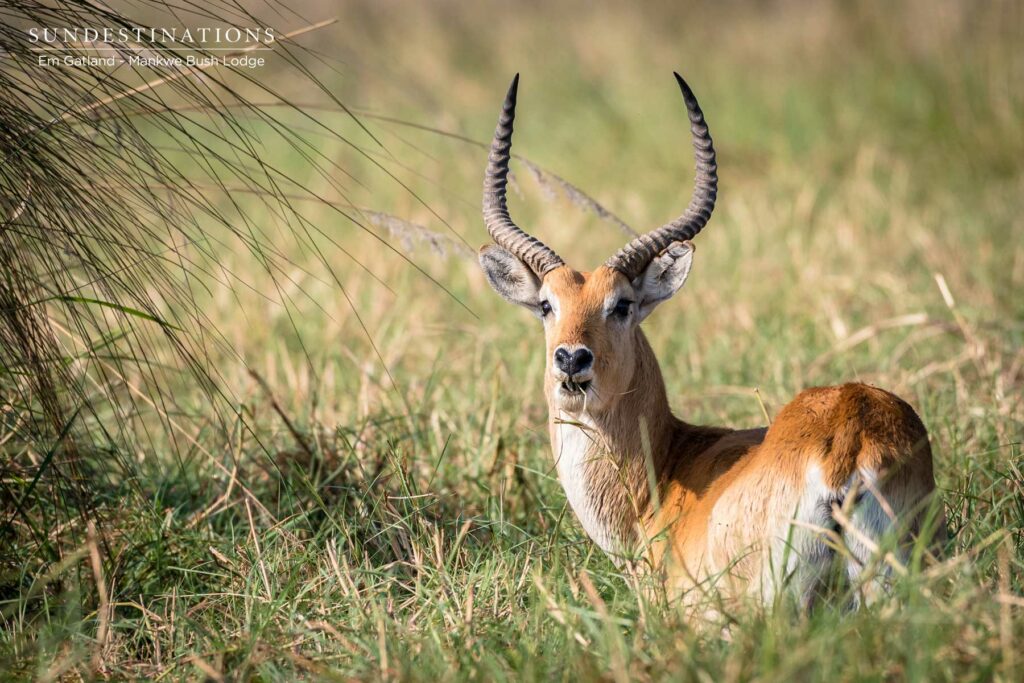
4. Antelope
Antelopes are everywhere across the Greater Kruger, and for a good reason. Antelopes form the foundation of the ecosystem; they are what sustains the predators in the region.
The range of antelopes in the Greater Kruger includes the always-present impala and the striking kudu, which is known for its spiralled horns. Each species brings its own beauty and behaviour. And the more you watch, the more you will begin to notice the subtle differences between the species and the role they play in the balance of the bush ecosystem.
5. Birdlife
Even if you are not a card-carrying birdwatcher, you cannot help but be impressed by the extensive birdlife of the Greater Kruger.
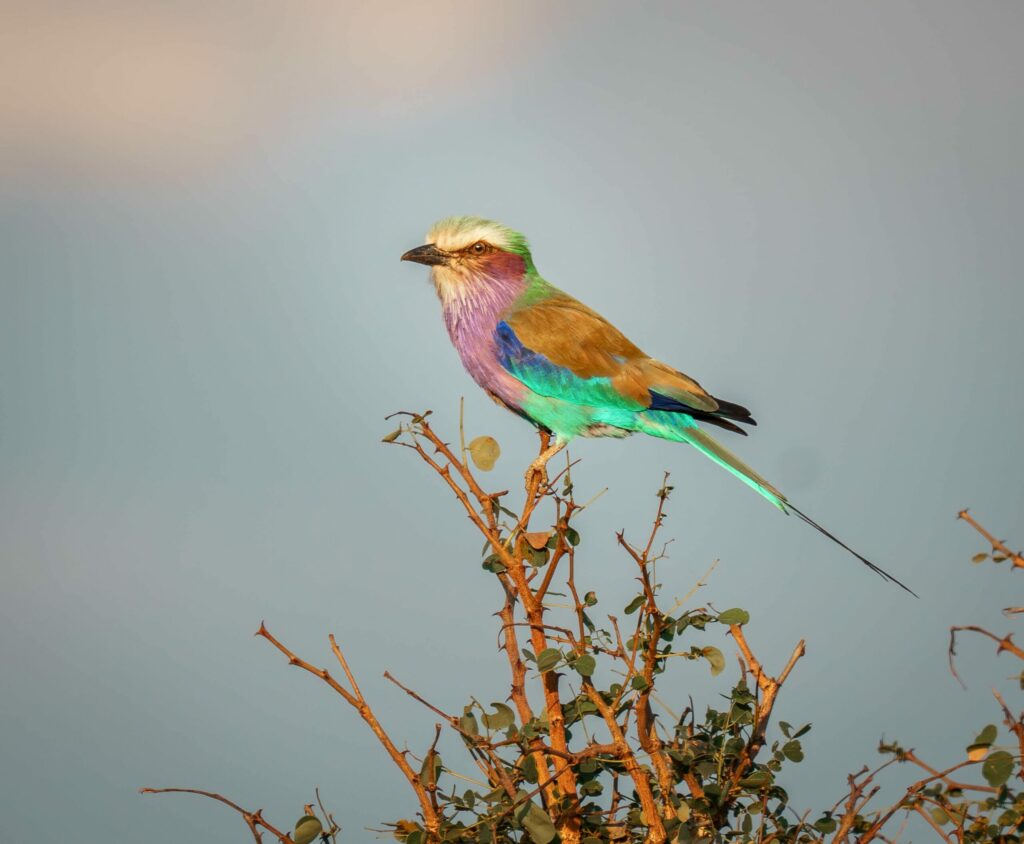
Seeing the stunning colours of the lilac-breasted roller, or hearing the unmistakable call of the infamous fish eagle echoing over the water, or even the quick dart of a kingfisher, these moments add an extra texture and vibrancy to every game drive. There are approximately 500+ different bird species in the Greater Kruger, so there is always something new to discover.
But exploring the Greater Kruger is more than just ticking animals off a list. It is about immersing yourself in a landscape where every sighting plays a part in the larger story, which is the ecosystem of the wilderness.
Safari is more than just the Big 5; it is about experiencing all that takes place: the unexpected encounters, the changing light, and the rhythm of the wild that makes it truly extraordinary.
It is often the animals you didn’t expect to see that you remember the most.
When booking a stay at a Sun Destinations property, you will have the opportunity to experience a diverse array of animals while on our game drives with our experienced guides.
Take a trip today and see these animals up close.