
Usually dubbed the ‘underrated safari season,’ autumn is more than just a precursor to winter. This subtle season offers something truly special as well.
Autumn, spanning March to May, is one of the Greater Kruger’s best-kept secrets. It’s a time of gentle transition, where the bush begins to shift from the lush greens of summer into warm, golden tones. The result? A safari experience that feels balanced, beautiful, and far less crowded, without compromising on wildlife.
Here are some reasons why you should book your next safari trip during autumn:
1. The golden transition of the landscape
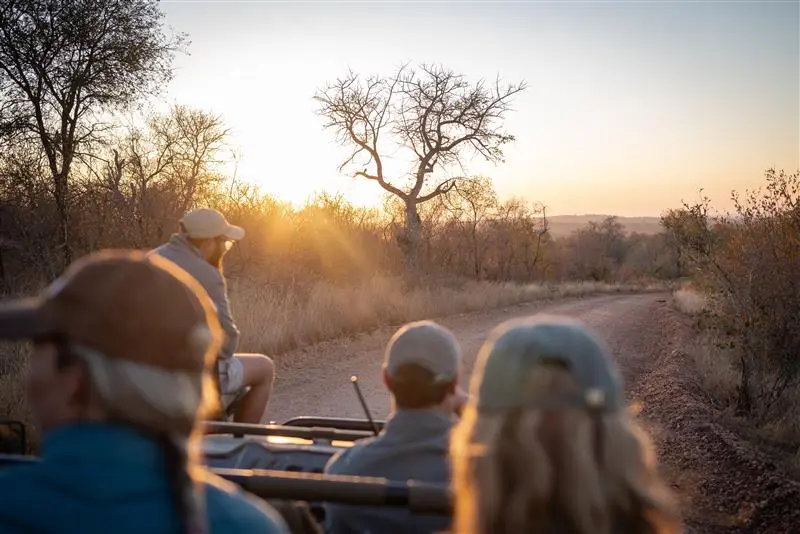
Autumn in the Greater Kruger is defined by its colour palette. The bushveld begins to dry out after the summer rains, which transforms it into a tapestry of soft golds, muted greens and earthly browns. The vegetation is still present, but it’s no longer dense. Grass thins out, leaves begin to fall, and visibility improves across the landscape. This creates a sense of openness without the starkness of winter, offering the best of both worlds.
As Shannon Erasmus, a safari guide from Umkumbe Safari Lodge, shares:
“Autumn is my favourite season in the bush. The landscape shifts from lush greens to warm yellows and reds, creating a striking contrast. Water is still available, keeping animals healthy and active, while the thinning vegetation improves visibility. It’s a time when movement increases, and the balance between beauty and opportunity feels just right.”
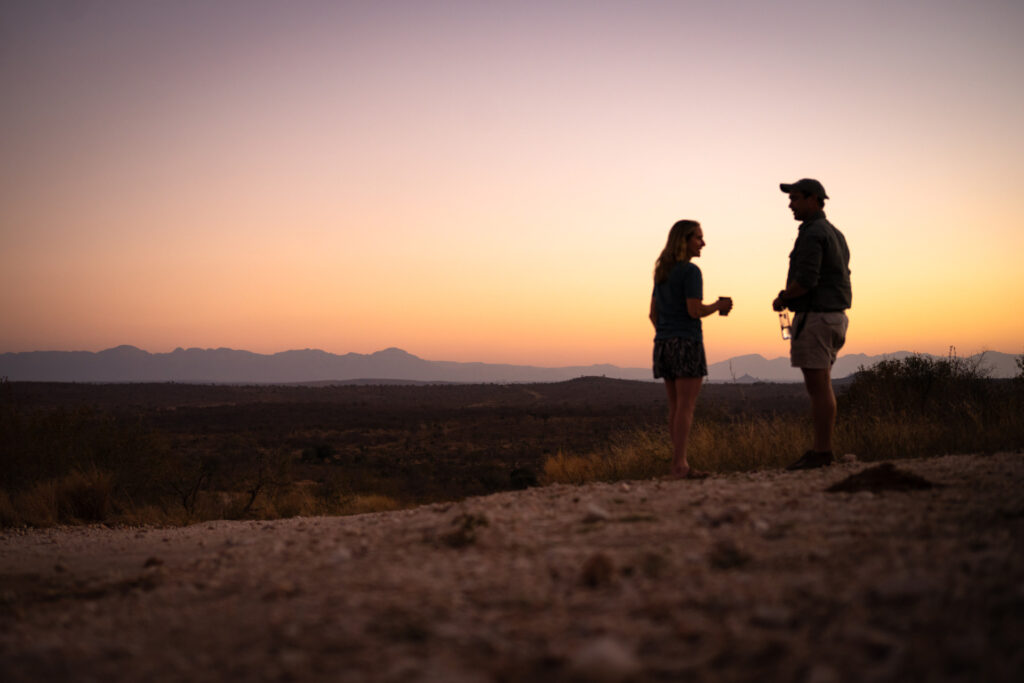
Mornings are crisp and fresh, and give way to warm, comfortable afternoons. As the day draws to a close, the bush is bathed in golden light, and sunsets stretch long across the horizon.
2. The best of both worlds of wildlife sightings
One of the biggest highlights of autumn is the balance it offers for wildlife viewing. After the abundance of summer, animals are still spread across the reserves, taking advantage of lingering water and vegetation. But as conditions gradually become drier, natural water sources begin to shrink, drawing wildlife closer together and making sightings more predictable.
The thinning bush also makes it easier for guides and trackers to spot movement and follow tracks, increasing your chances of meaningful encounters.
According to Tamryn Prentice, Junior Guide at Africa on Foot:
“Autumn might actually be the best season for safari. As the trees and grass start to dry out, the bush becomes thinner, which makes it easier to spot animals that were hidden in summer. It also starts to rain a lot less, if at all, which means fewer water sources. Because of that, animals start gathering more around the bigger water bodies, which also helps with sightings.”
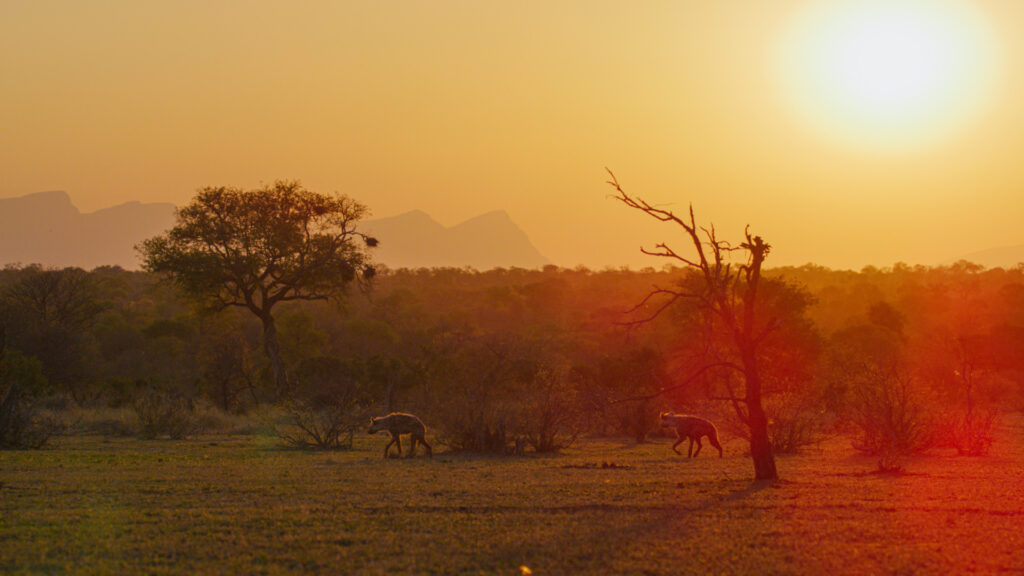
The Big 5 remain a highlight, and predator activity begins to pick up as prey becomes more concentrated. Whether it’s lions resting in golden grass, elephants gathering at waterholes, or a leopard draped over a marula branch, autumn delivers a rich and rewarding safari experience.
3. Enjoy the birdlife while they’re on the move
For bird enthusiasts, autumn is a fascinating time in the Greater Kruger. This is the tail end of the migratory season, meaning you can still enjoy sightings of summer migrants alongside the region’s resident species. The bush is alive with activity as birds prepare for their long journeys north.
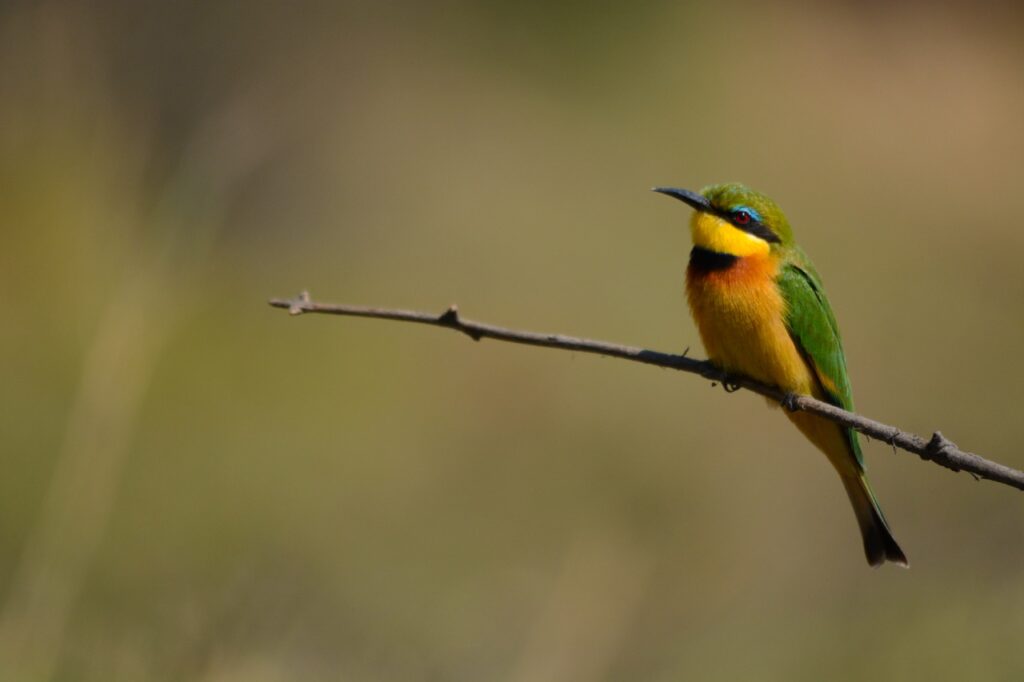
Colourful species like bee-eaters are often seen gathering before migration, while raptors become more prominent in open skies. Along rivers and water sources, kingfishers, herons and fish eagles continue to thrive.
It is a season that offers both diversity and movement. It is a dynamic snapshot of the region’s rich birdlife.
4. The perfect weather for a safari
Autumn brings some of the most comfortable weather conditions of the year. Gone are the intense heat and humidity of summer, and yet the chill of winter has not quite set in. You might need a light jacket for your morning game drives, but by midday, temperatures are pleasantly warm and inviting.
Rainfall becomes less frequent, meaning fewer interruptions to activities and more consistent safari conditions. Whether you’re heading out on a morning drive, enjoying a bush walk, or unwinding with a sundowner, autumn offers a climate that enhances every moment.
5. Rich texture and soft light for photography
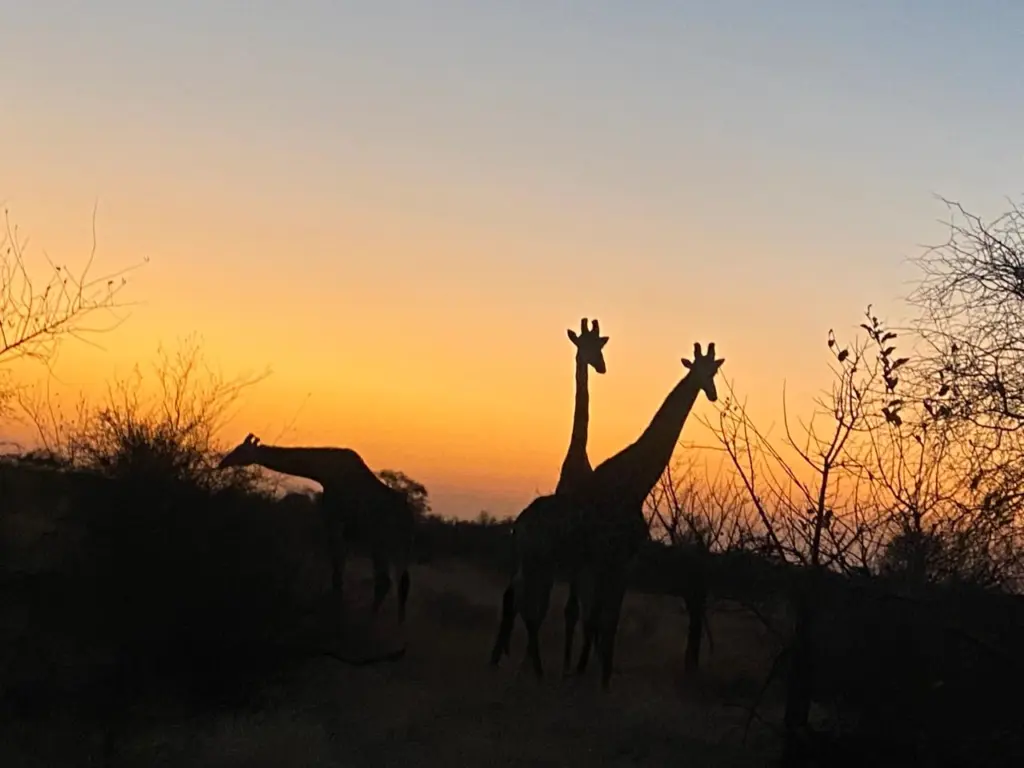
For budding photographers, autumn in the Greater Kruger is a dream. The softer light creates beautifully balanced images, avoiding the harsh contrasts often experienced in winter. Dust in the air catches the sunlight during golden hour, adding depth and atmosphere to every frame.
The landscape itself provides a stunning backdrop with its warm tones, textured grass and open spaces that allow wildlife to stand out. From dramatic silhouettes at sunset to detailed close-ups in gentle morning light, autumn offers endless creative opportunities.
Autumn in the Greater Kruger is more than just a transition between seasons; it’s a moment of harmony in the bush. It combines the lingering warmth of summer with the emerging crispness of winter. It offers exceptional wildlife viewing, breathtaking landscapes and a quieter, more intimate safari experience.
With insights from those who know the bush best, it is clear that this season holds a special kind of magic. The type of magic that is often overlooked but deeply rewarding.
If you are looking for a safari that feels both rich and relaxed, where every game drive is framed in golden light, and the sightings feel unhurried, autumn might just be the Greater Kruger’s best-kept secret.