
As the lush green summer fades and the bush settles into the dry season, the landscape undergoes a remarkable transformation. What happens? Well, rivers shrink, grass becomes golden, and water becomes one of the most valuable resources. But while the scenery changes dramatically, this is also when some of the bush’s most fascinating wildlife behaviour begins to unfold.
For safari enthusiasts, the dry season offers more than just excellent game viewing; it provides a rare opportunity to witness the daily decisions, survival strategies, and interactions that define life in the African wilderness.
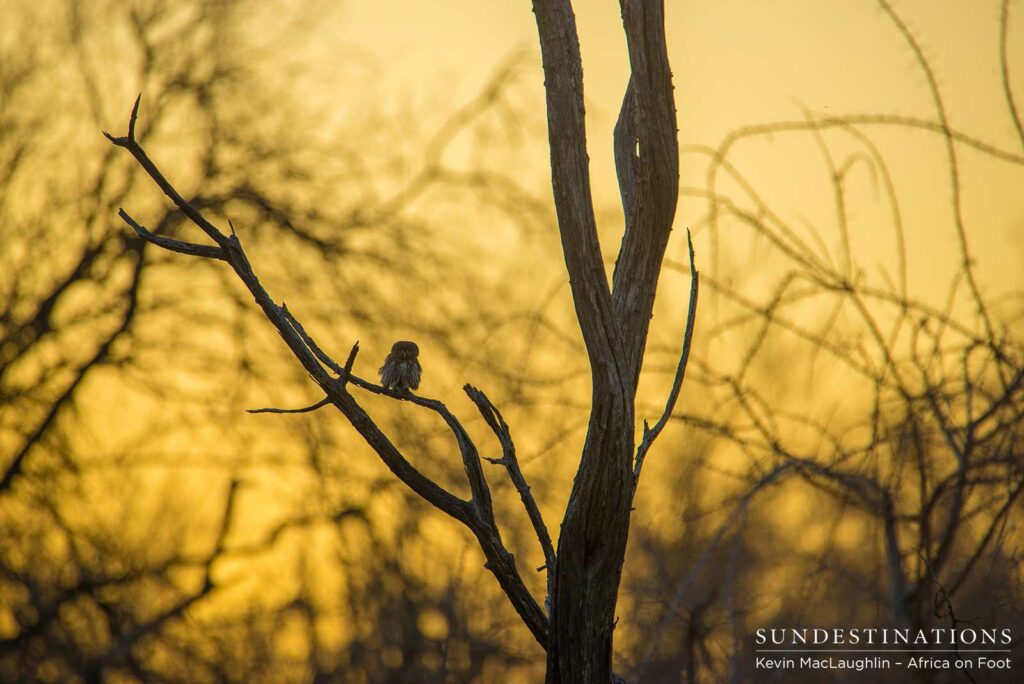
An image of an African wonderland; a combination between a scorching Kruger sunset, and the romance of a bare winter forest – the place this pearl-spotted owlet calls home
So why does the dry season change everything?
The dry season typically runs from May through September. During these cooler months, rainfall becomes scarce, and natural water sources gradually disappear. This seasonal shift influences almost every aspect of animal behaviour. Wildlife must conserve energy, find reliable water, and adapt their routines to survive until the rains return.
So what does that look like?

1. Water becomes the centre of activity
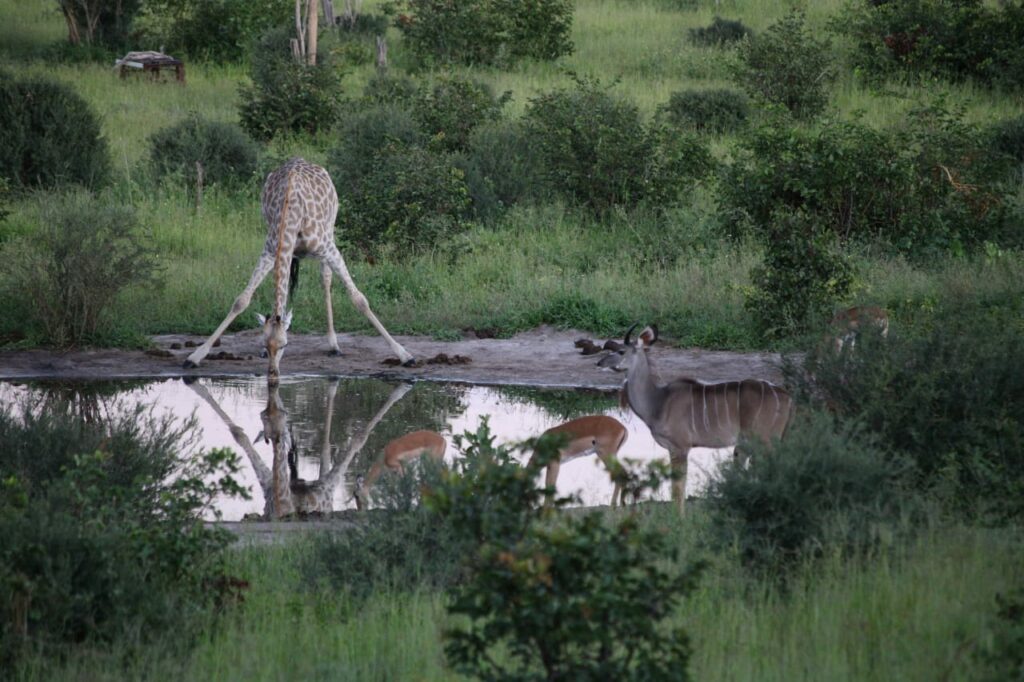
One of the most noticeable changes during the dry season is an increase in wildlife around permanent water sources.
For example, large elephant herds make regular journeys to rivers and waterholes, sometimes travelling many kilometres each day. Buffalo gather in large numbers, while antelope species carefully time their visits to drink when the risk from predators is lowest.
These shared water sources thus become meeting places for an incredible variety of animals, creating unforgettable sightings where several species can often be seen together.
For guests, waterholes become some of the most rewarding places to spend time on a game drive.
2. The predators take advantage of the situation
One of the general rules of the bush is: where prey gathers, predators are never far behind.
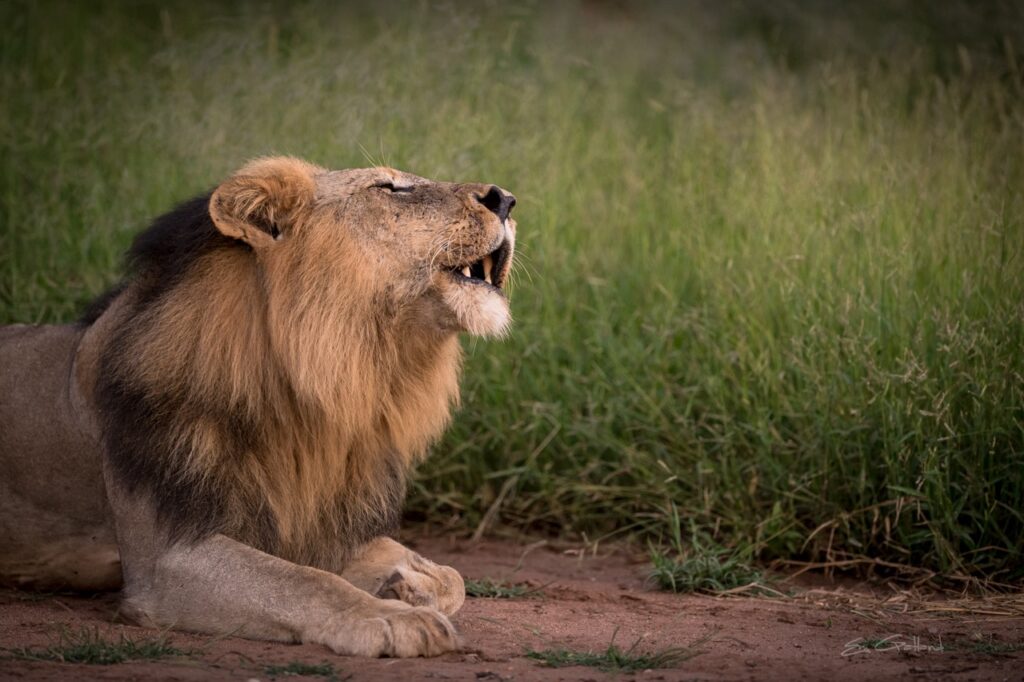
For example, lions often position themselves near popular game trails that lead to water, conserving their energy while waiting for opportunities to strike. Leopards continue their solitary hunting style, using the riverbeds and thickets to stalk unsuspecting prey. Wild dogs, which are known for their endurance and teamwork, frequently cover large distances during cooler mornings, while spotted hyenas patrol territories around water sources and scavenging opportunities.
Because prey become more predictable, predator encounters often become more frequent during the dry season.
3. The herbivores become more strategic
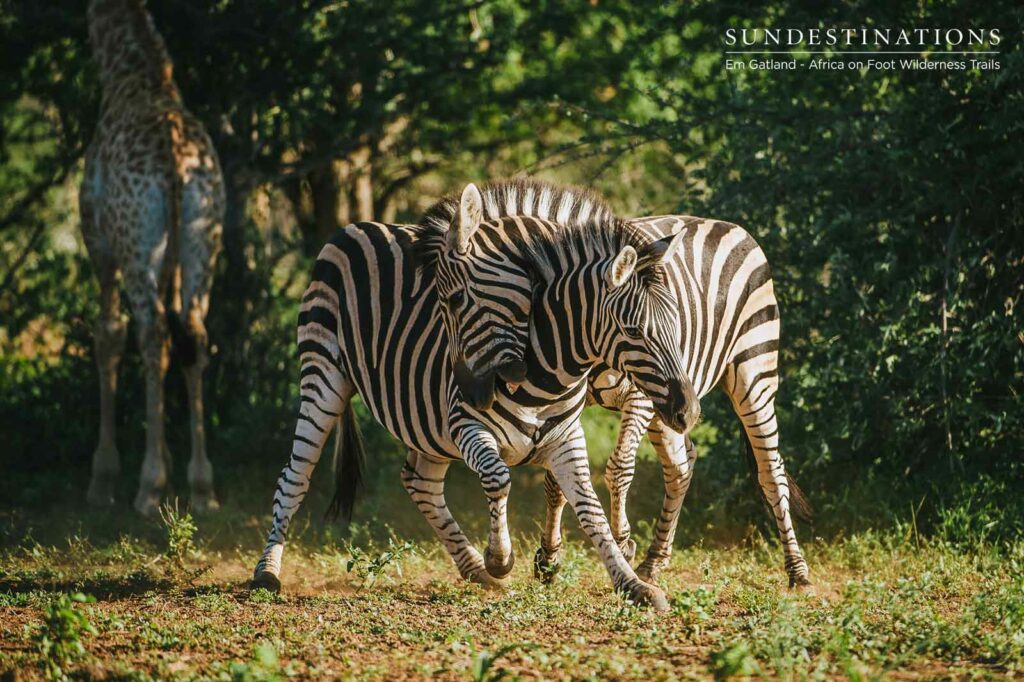
Finding food becomes increasingly challenging for grazing animals. As grass dries out and becomes less nutritious, species such as zebra, wildebeest, and buffalo spend more time searching for quality grazing. Browsers like giraffe and kudu rely on leaves, pods, and shrubs that remain available even as the landscape dries.
Herbivores have to adjust their daily routines, feeding during the cooler hours of the morning and late afternoon while resting through the warmer parts of the day to conserve both energy and water.
Their vigilance also increases. With fewer places to hide and more predators concentrating around limited resources, animals must remain alert whenever they move across open ground.
4. The elephants shape the landscape
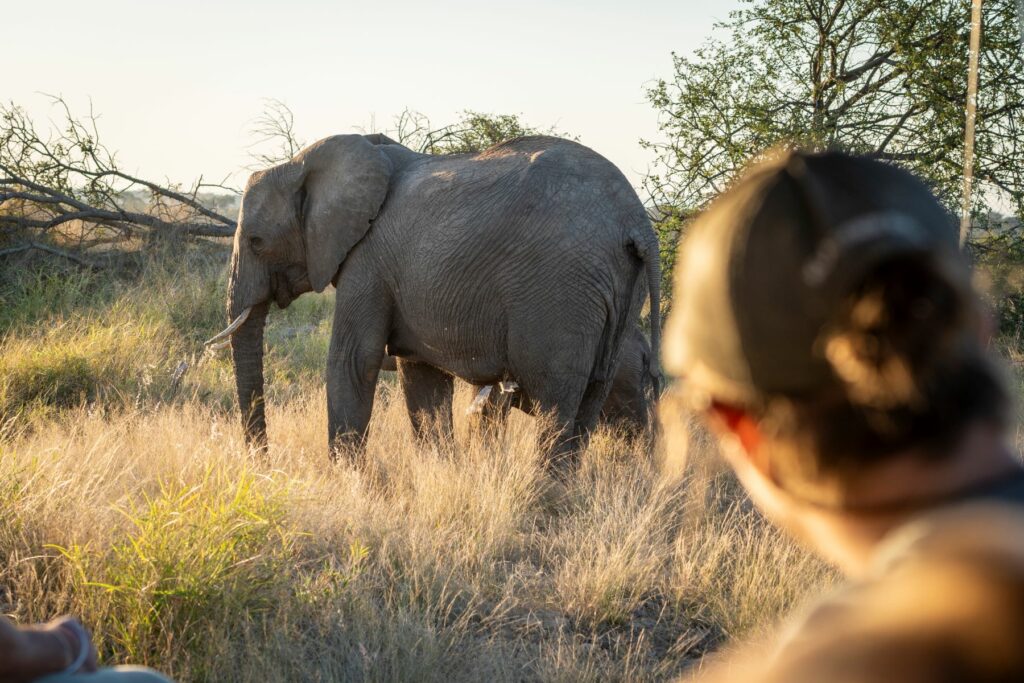
The animal that influences the dry season the most is the elephant. Their incredible memory allows them to revisit water sources that have sustained generations of herds. As the elephants’ travel, they dig into dry riverbeds to access underground water, strip bark from trees for moisture, and break branches while feeding.
These kinds of activities do not just benefit elephants; other animals often make use of the water elephants uncover or feed on vegetation made accessible by their strength.
In many ways, elephants become ecosystem engineers during the dry season, helping other species survive the harsh conditions.
5. What do birds do during this time?
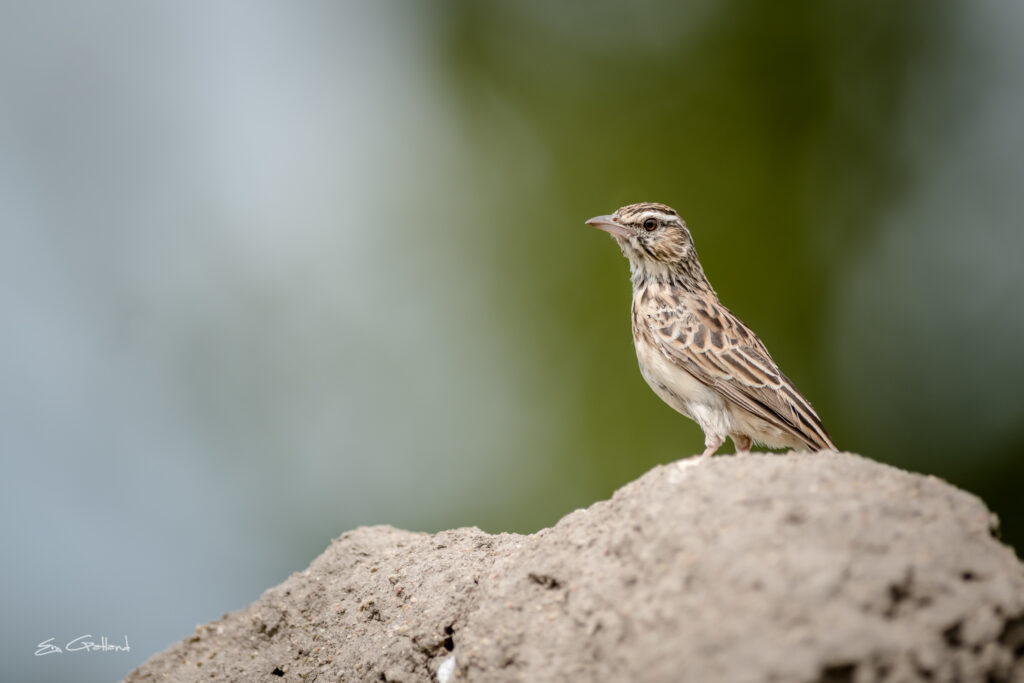
Birdlife remains incredibly active throughout winter. Many raptors take advantage of the open landscape to spot prey more easily, while waterbirds congregate around shrinking wetlands where fish become concentrated.
The cooler weather also makes birdwatching more enjoyable, with many species becoming more active during daylight hours.
For photographers, the crisp winter light and clear skies provide excellent conditions for capturing birds in flight and dramatic wildlife scenes.
Every safari tells a story
The dry season is often described as one of the best times for wildlife viewing, but it’s true appeal lies in the stories it reveals.
A family of elephants patiently waiting their turn at a waterhole. A pride of lions resting beneath a leadwood tree before an evening hunt. Impalas nervously approach the water’s edge while keeping a watchful eye on the surrounding bush.
These are moments shaped by the rhythm of the season, moments that offer a deeper understanding of how wildlife survives and thrives in one of the world’s most remarkable ecosystems.
Whether you’re exploring the Greater Kruger region, the Klaserie Private Nature Reserve, the Balule Game Reserve, the Selati Game Reserve, or other exceptional wilderness areas within the Sun Destinations portfolio, the dry season offers a front-row seat to nature’s resilience.
The dry season is a time when every game drive reveals not only incredible sightings but also the remarkable behaviours that have enabled Southern African wildlife to adapt for thousands of years. With experienced guides interpreting these interactions, each safari becomes more than just a checklist of animals; it becomes an opportunity to witness the intricate balance of life in the African bush.