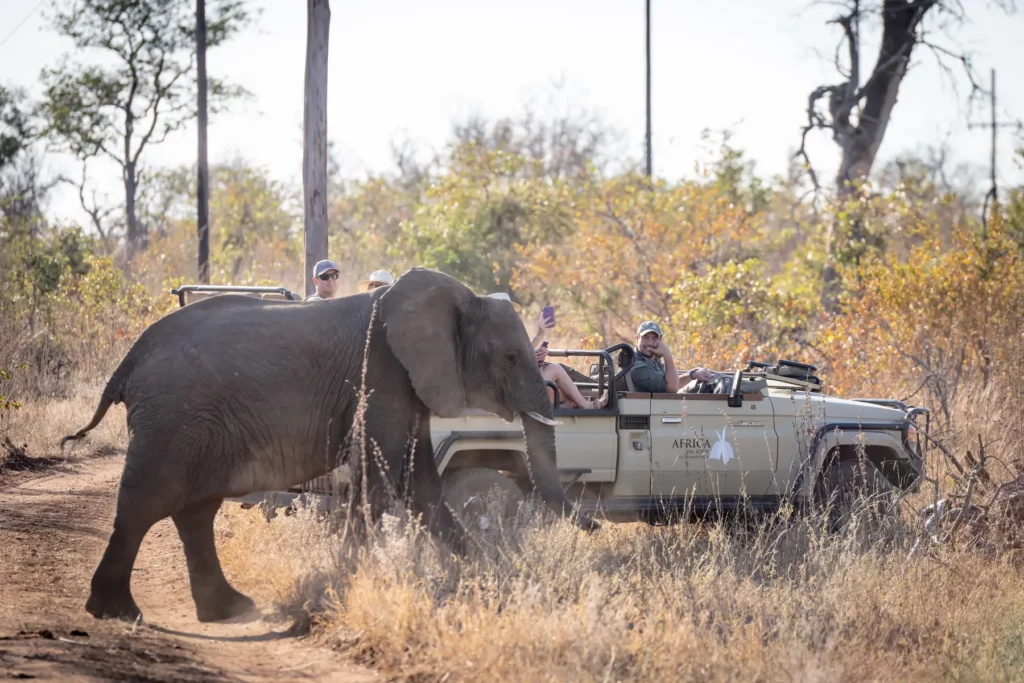
One of the most powerful sights you can see when you are on a game drive or bush walk is a group or a family working together to hunt, to protect, or to survive. This is where the real stories lie and where we can see how different species interact, cooperate, and depend on one another. From the tightly bonded elephant herds to the highly coordinated wild dog packs and the complex social world of lions, they are bonded by one main goal: survival.
Understanding how these different animal families and communities work not only deepens your appreciation for wildlife but also transforms each sighting into something more meaningful.
Herds are all about strength in numbers
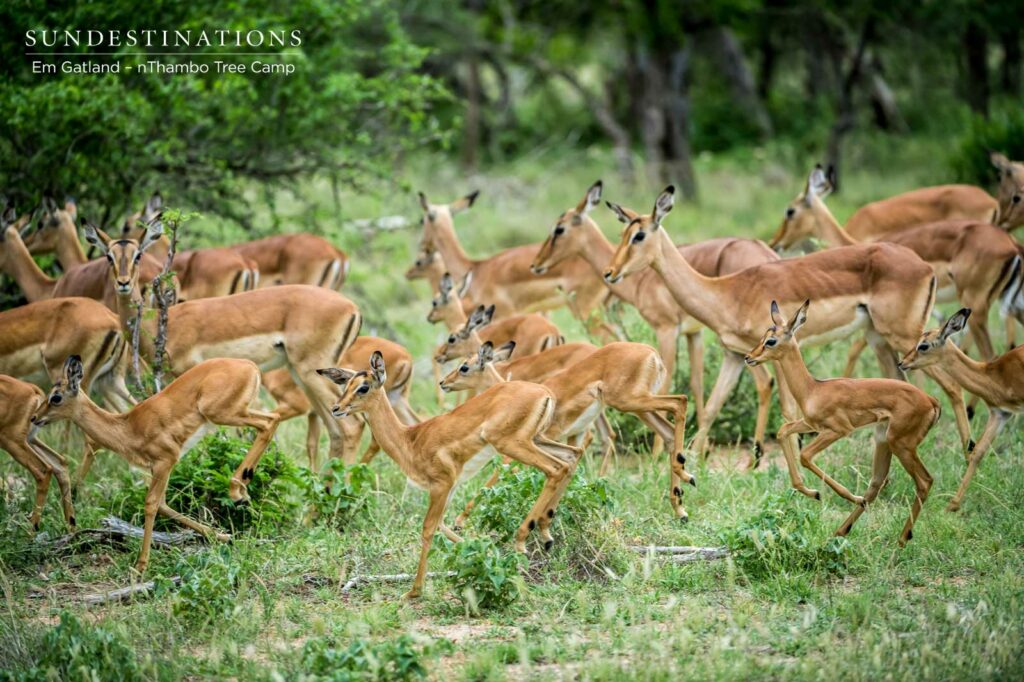
Herds are most commonly associated with herbivores such as zebras, buffalo, and elephants. These groups can vary in size from small families to vast gatherings during migration, but their purpose is usually safety.
Unlike their more structured compatriots, herds are loosely organised. But even though there is no strict hierarchy, there is strength in numbers. With more eyes, this means that there is better detection of predators, and being part of a larger group reduces the chance of any one individual being targeted.
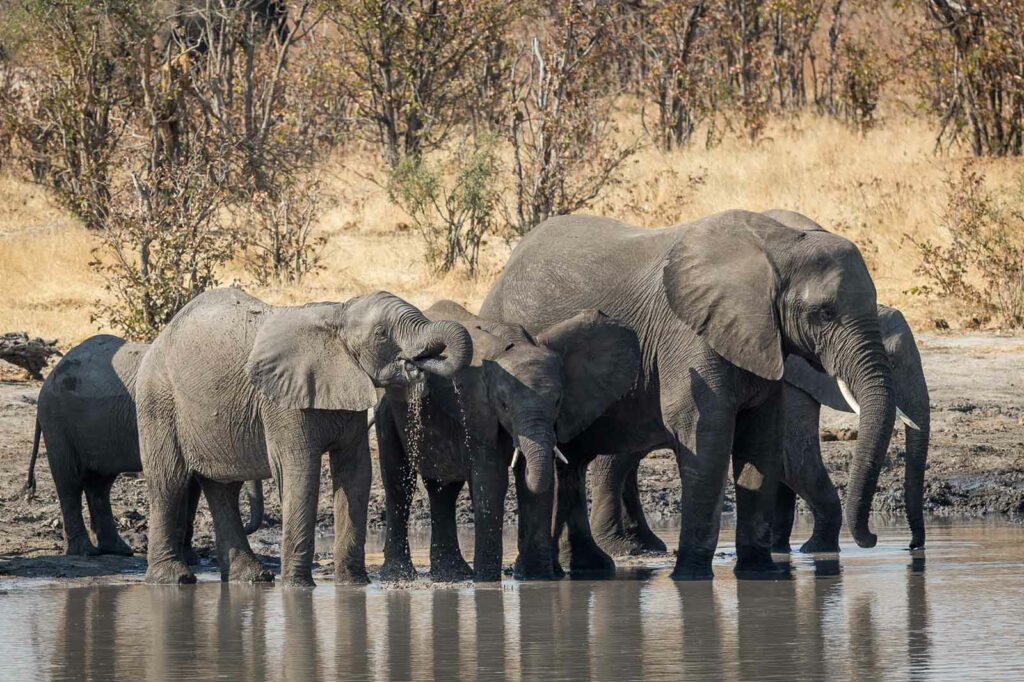
The notable exception here is the African elephant. They have strong family bonds and defined leadership. With elephant herds, the matriarch, the oldest and most experienced female, leads. She guides the herd to water, she recognises threats, and makes decisions that affect the entire herd. Her extensive knowledge is often the difference between survival and hardship.
In other herd species, however, survival relies on collective awareness rather than specific and rigid roles.
Packs are coordinated and strategic
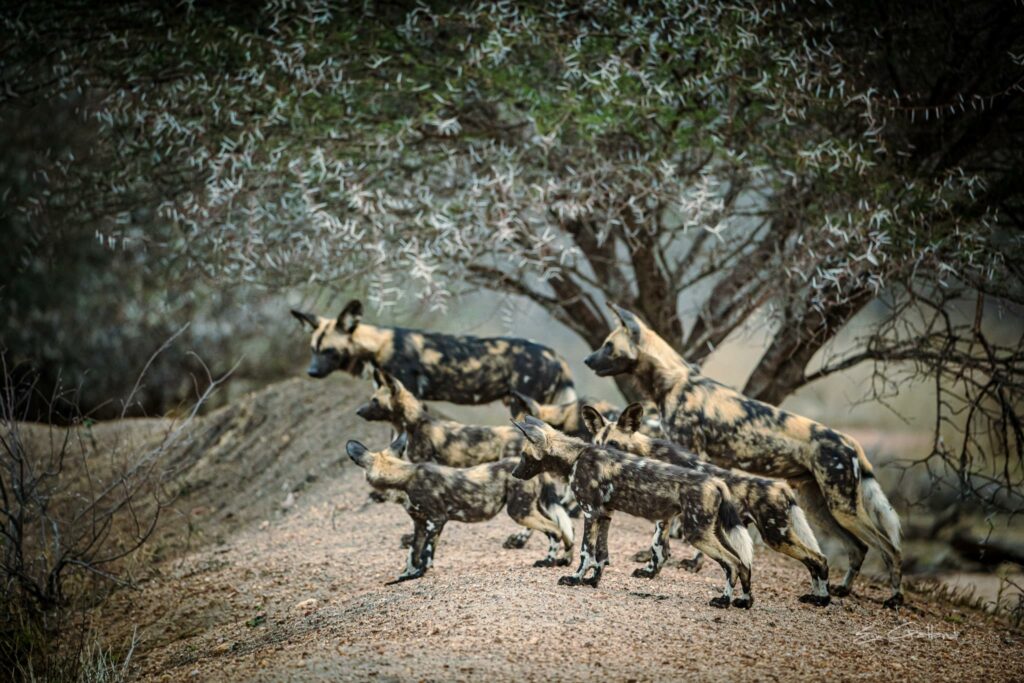
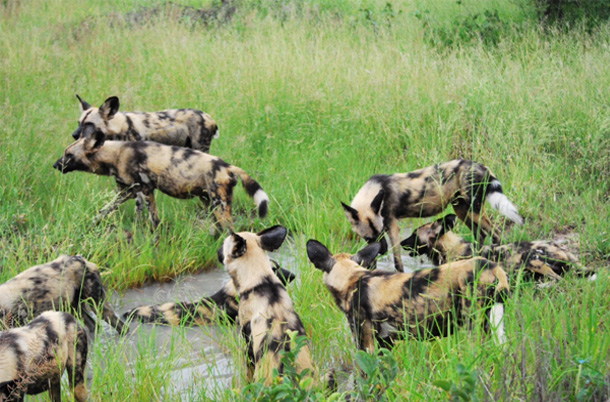
One of the most efficient survival strategies in the wild is represented by packs. Packs such as the African Wild Dog rely on strong social bonds and teamwork to thrive.
They are typically led by a dominant breeding pair, with a clear hierarchy that helps maintain order. Every member plays a particular role, especially during hunts. Wild dogs are known for their endurance and coordination, and they work together to pursue prey over long distances with remarkable success rates.
Other than hunting, pack life also extends to raising the young. The adults share responsibilities, from guarding the den to feeding pups; they ensure the next generation has the best chance of survival.
Prides are all about families
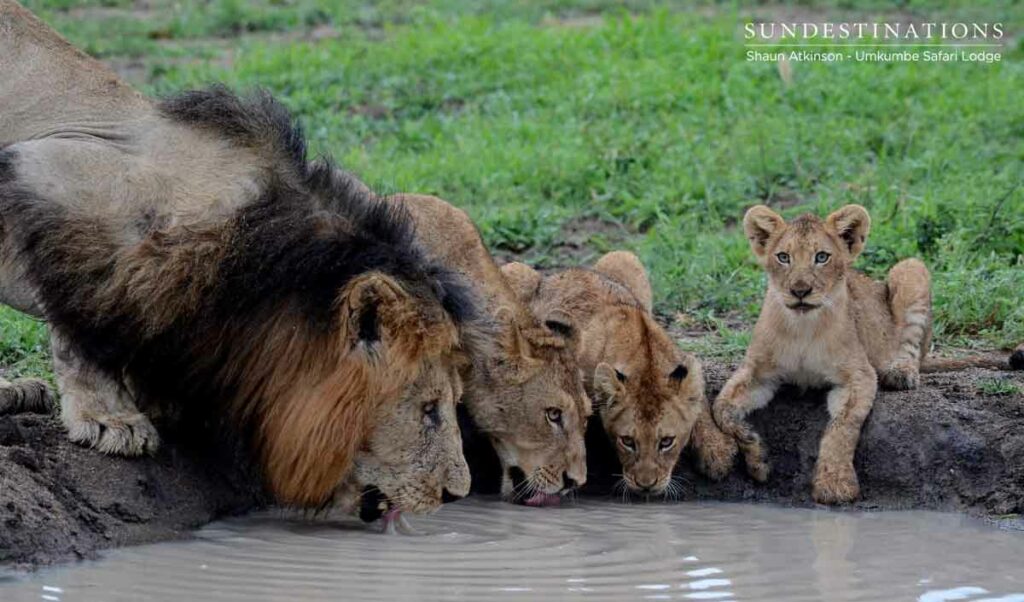
The social order amongst lions is unique among big cats. Lions live in prides where they form tight-knit family groups made up of related females, their cubs, and a coalition of males.
The backbone of the pride is the amazing lionesses. They hunt together, they raise their cubs collectively, and they maintain the social stability of the group. Cubs are often cared for communally, with multiple females nursing and protecting them.
The role of defender is assigned to the male lions. They play a crucial role in defending territory and safeguarding the pride from rival males. This delegation of responsibility helps the group to function efficiently and balance the demands of protection, hunting, and reproduction.
Why structure in the wild is important
Social structure in the animals of the wild provides them with clear survival advantages.
The most immediate benefit is protection. With herds, they reduce individual risk through numbers, while species like elephants actively defend their young by forming protective circles. In lion prides, males deter threats, and in packs, coordinated responses can fend off danger.
Hunting success also improves with cooperation. Packs can take down larger prey through strategy and endurance, while lionesses increase their efficiency by hunting together.
The other main advantage is raising young. In many social species, parenting is shared. This not only improves the survival chances of offspring, but it also allows younger animals to learn important behaviours by observing experienced adults.
Experience this on safari
Some of the most memorable safari moments are defined by interactions with an animal group. Whether it is an elephant herd closing ranks around calves, a pack of wild dogs communicating silently before a hunt, or lion cubs learning the rhythms of pride life, it makes the experience unforgettable.
Understanding these different family structures helps to create depth to every sighting. By comprehending why the animals are making specific choices, you are able to understand the animals better and appreciate the experience more.
In the wilderness, survival is shaped by relationships. Once you begin to recognise them, the bush reveals more than meets the eye. See wildlife families up close by booking your next safari with Sun Destinations.