
When you think of South African wildlife, chances are your mind goes to the Big Five: the lion, elephant, leopard, rhino and buffalo. But South Africa’s natural heritage extends far beyond these iconic animals.
Across the Greater Kruger landscape, an incredible variety of smaller, lesser-known animals and indigenous plants quietly contribute to the character and functioning of the bush. Some may be elusive, others easy to overlook, but each has a role to play in the ecosystem.
This Heritage Day, we’re celebrating some of the species you may not have had on your safari checklist but will certainly want to look out for once you know where to find them.
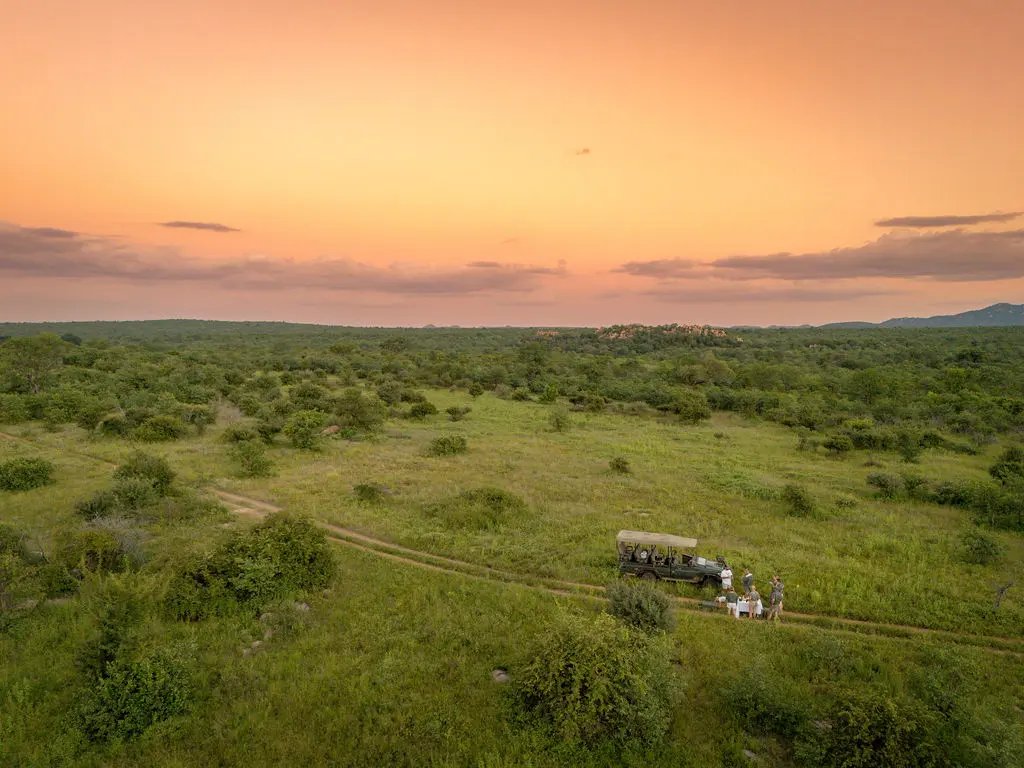
Look beyond the Big Five
One of the joys of safari is learning that there is always more to discover. A game drive isn’t simply about finding the largest or most famous animals; it is about understanding the landscape as a whole.
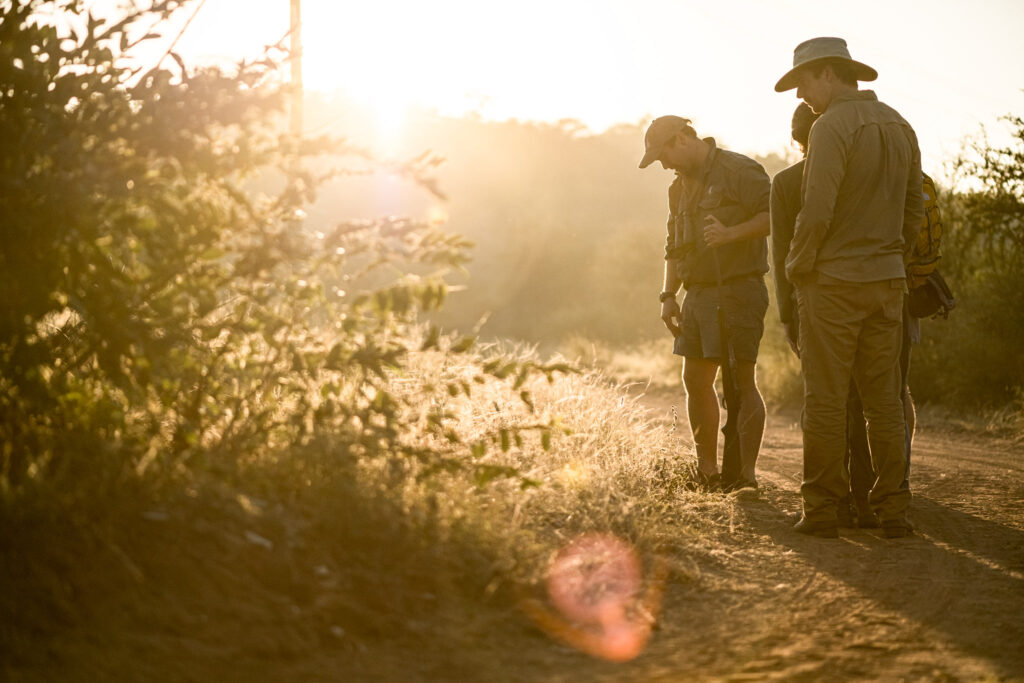
With an experienced guide, an ordinary sketch of the bush can reveal plenty of smaller stories. Tracks in the sand might belong to a shy antelope, movement in the grass could reveal a tiny mammal, and an unusual tree can become the focus of an entire conversation.
Sharpe’s Grysbok
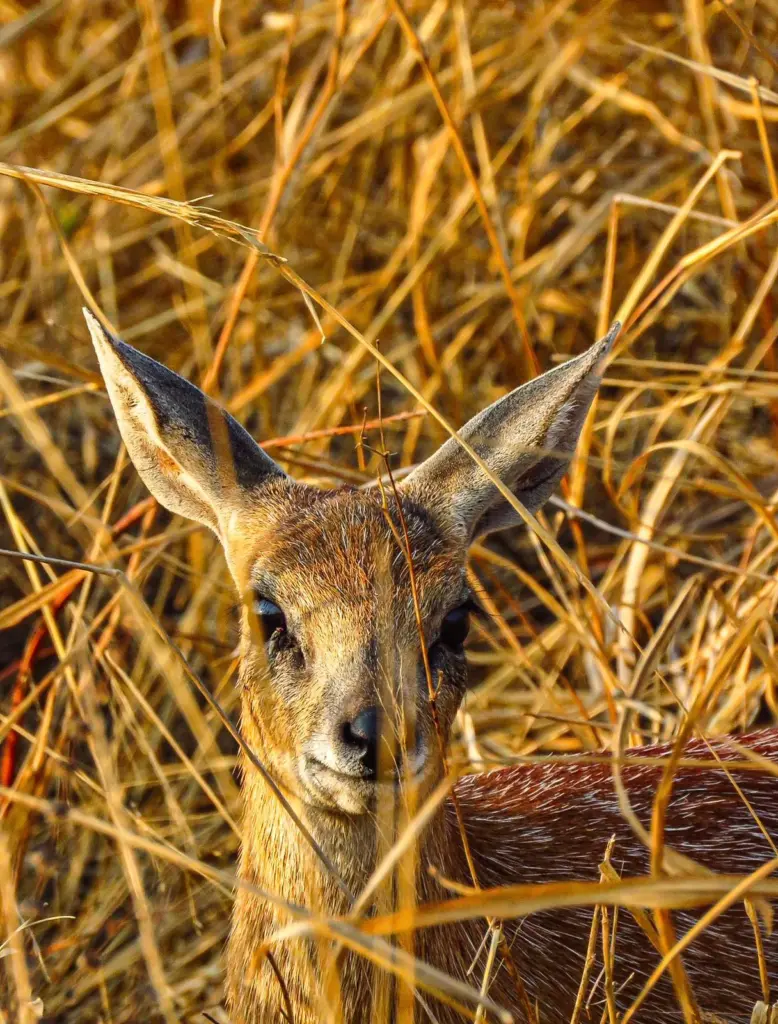
Small, secretive, and beautifully adapted to life in dense vegetation, the Sharpe’s grysbok is one of the lesser-known antelope species in the region.
These petite antelopes are generally solitary and can be difficult to spot, making an encounter all the more rewarding. Their reddish-brown coats help them blend into their surroundings, particularly in areas of thicker bush.
For many safari-goers, spotting a Sharpe’s grysbok is a reminder that some of the most memorable sightings aren’t necessarily the largest ones.
Honey Badger
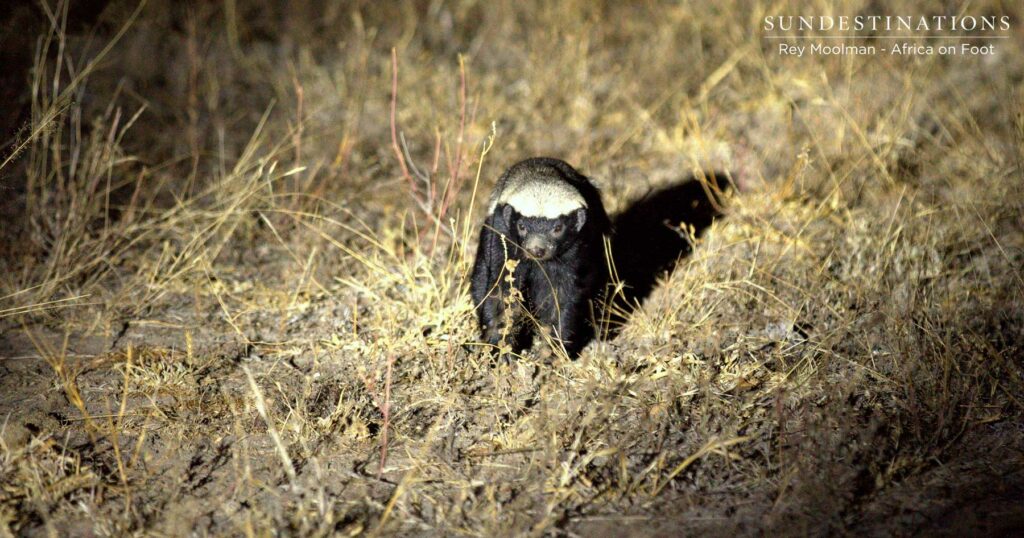
Bold, tenacious and surprisingly fearless, the honey badger is one of the bush’s most fascinating small predators.
Recognisable by its distinctive black-and-grey colouring, it is well adapted to a variety of habitats and has a remarkably varied diet.
Despite its relatively small size, the honey badger has earned a reputation for being exceptionally tough, often taking on animals much larger than itself when threatened. They are primarily nocturnal, which means an encounter during an evening drive can be an especially memorable sighting.
For safari guests, spotting a honey badger is a reminder that you don’t need to be one of Africa’s largest predators to have a big personality.
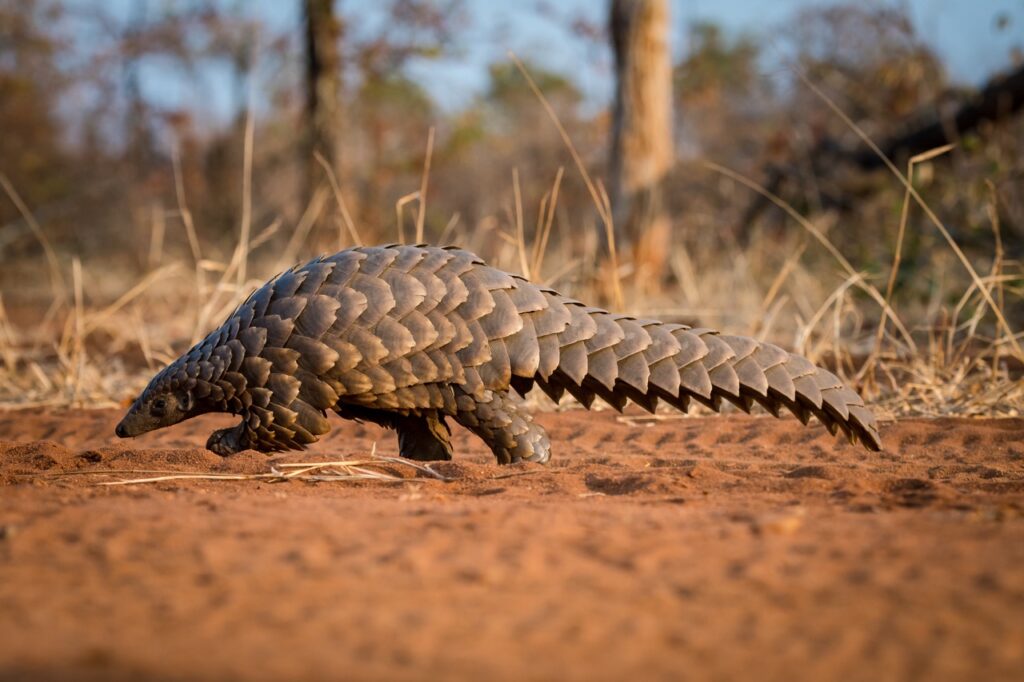
Pangolin
Few animals inspire quite as much excitement among safari enthusiasts as the pangolin. Covered in protective scales and equipped with a long, sticky tongue for feeding on ants and termites, this unusual mammal looks almost prehistoric.
The Temmick’s ground pangolin is found in parts of southern Africa and is notoriously difficult to encounter. They are primarily nocturnal and spend much of their time foraging or resting in burrows, making a sighting a particularly special safari experience.
Pangolins are also among the world’s most threatened mammals, making conservation an important part of their story. Seeing one in the wild is therefore more than a memorable wildlife encounter; it is a glimpse of a species that plays a unique role in Africa’s natural heritage.
Elephant shrew
Despite its name, the elephant shrew isn’t a shrew at all in the traditional sense, and it certainly isn’t related to elephants.
These fascinating little mammals move fast and are often found darting between patches of vegetation. Their long, flexible noses give them their distinctive appearance, while their speed can make them surprisingly challenging to photograph.
They’re exactly the kind of animal that encourages you to slow down and pay attention to the details.
View this post on Instagram
Plants are part of the safari story too
Animals may steal the spotlight, but the plants of the Lowveld are just as important to understanding the landscape.
Trees and other indigenous plants provide food and shelter, influence where animals are found and form an essential part of the ecosystem. Once you begin learning to identify them, the bush starts to look very different.
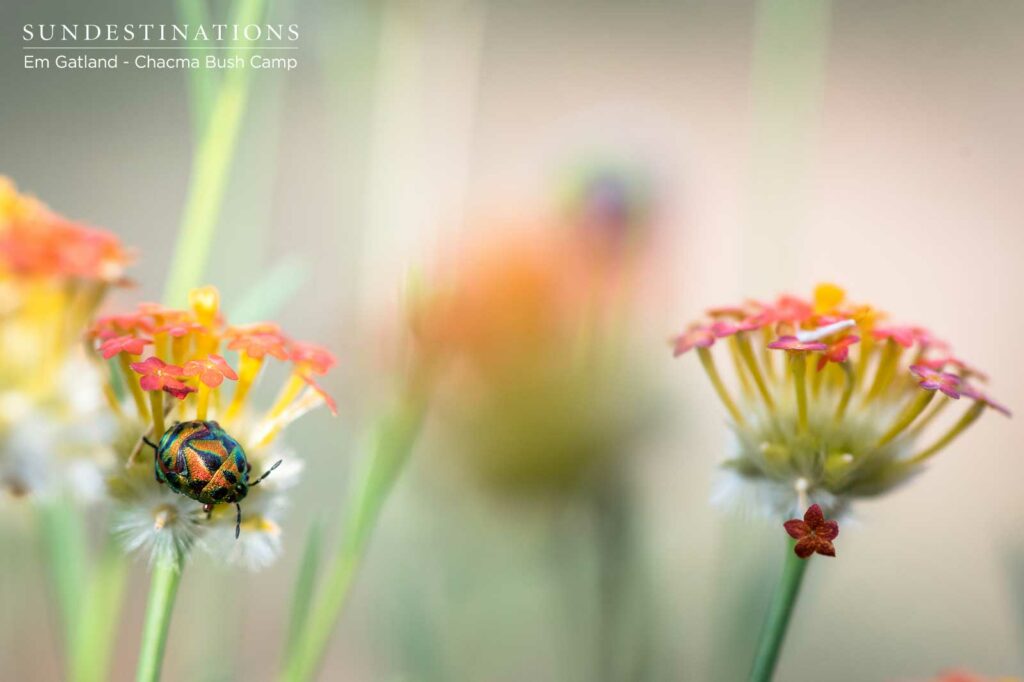
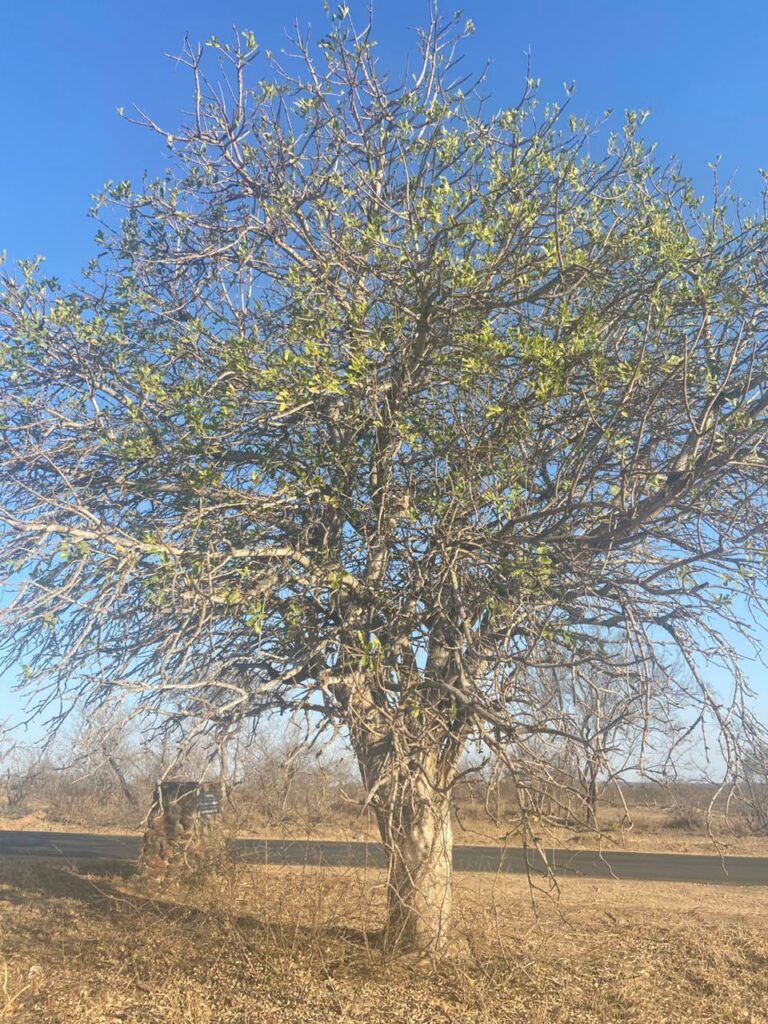
Marula
Few trees are as closely associated with the Lowveld as the marula.
The marula is an important indigenous tree, providing food and habitat for a variety of wildlife. Its fruit is also deeply embedded in local traditions and South African culture.
For safari guests, learning to recognise a marula tree adds another layer to the landscape. Suddenly, a familiar tree becomes part of a much bigger story.
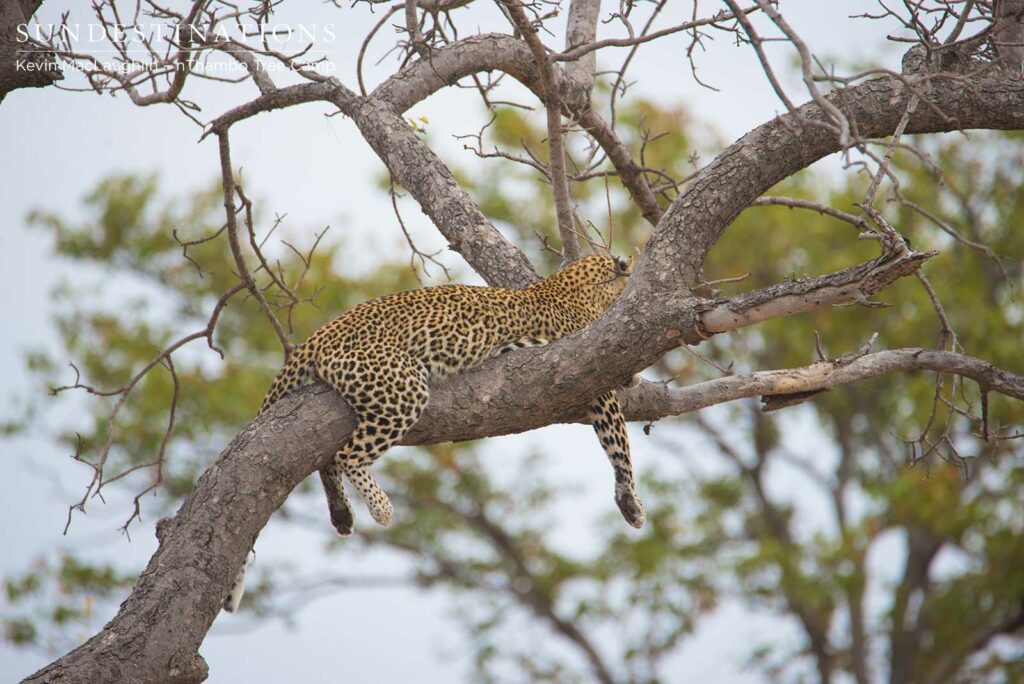
Leadwood
The leadwood tree is known for its remarkably dense, hard wood and its ability to remain standing long after the tree has died.
Its pale weathered appearance can make it particularly striking in the bush. Dead trees such as these are not simply remnants of the past; they continue to provide habitat and resources for insects, birds and other wildlife.
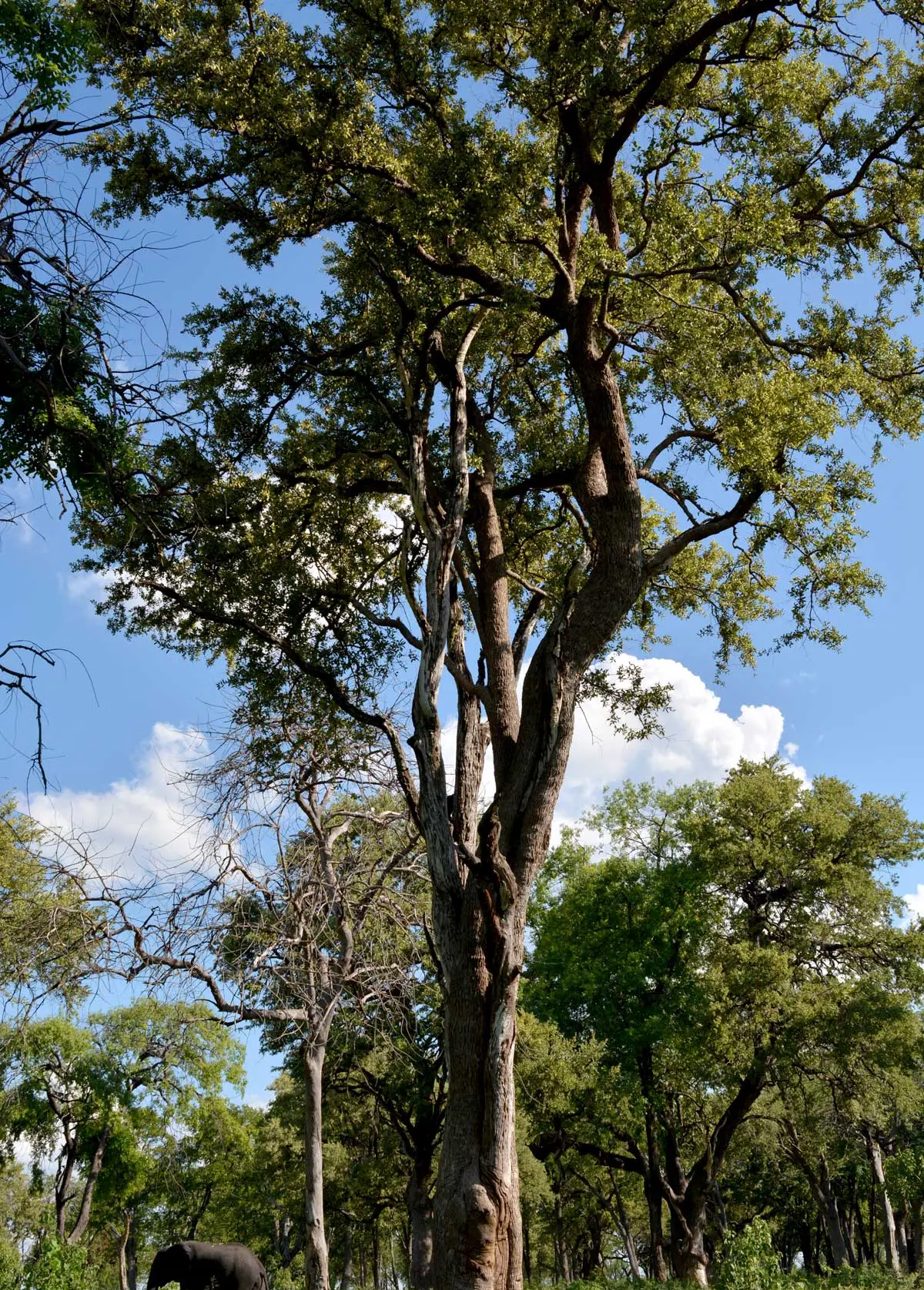
Sausage Tree
The sausage tree is one of those plants that is difficult to forget once you’ve seen it.
Its large, heavy, sausage-shaped fruits hang from long stalks beneath the branches, creating one of the bush’s most distinctive botanical sights. The tree also plays a role in the lives of various animals that feed on its flowers or fruit.
It is a perfect example of how even the most unusual-looking plants have an important place in the ecosystem.
Cycads
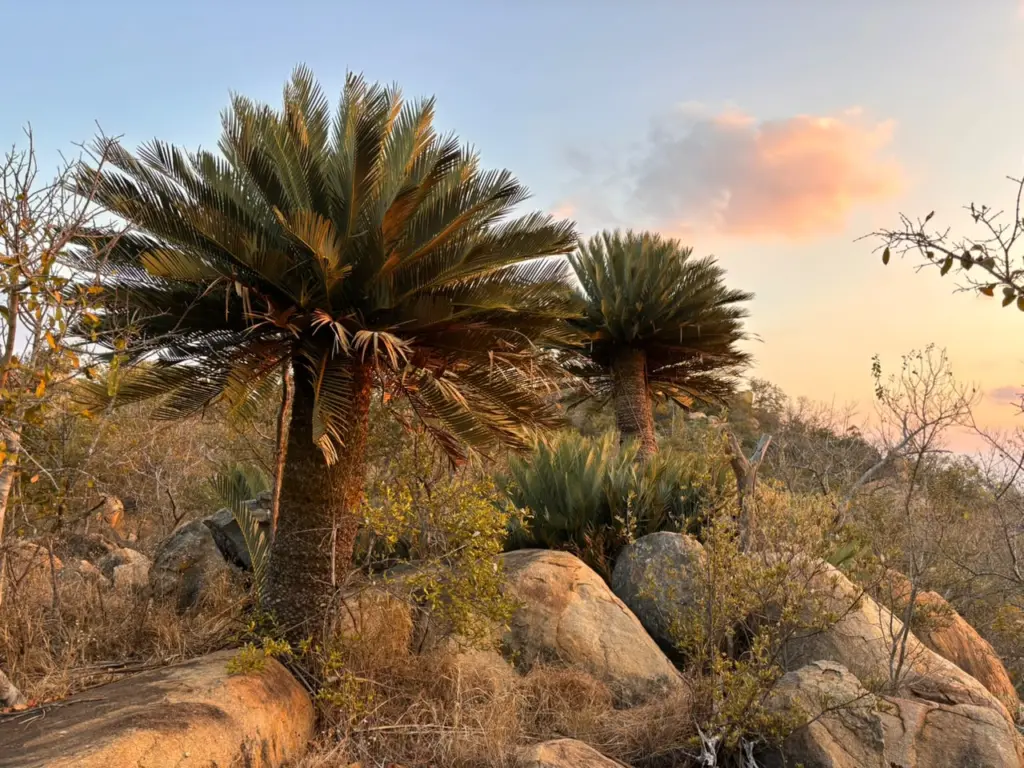
Cycads are among the most ancient plant groups still found today, and their prehistoric appearance makes them particularly fascinating.
Some species found in South Africa are rare and threatened, making them much more than an attractive feature of the landscape. They are part of the country’s botanical heritage and a reminder of just how long some of these plants have existed.
In areas such as the Selati landscape, discovering cycads can add a completely different dimension to a safari, one that goes beyond wildlife and into the ancient history of the bush.
Don’t forget the birds
If you’re looking for South Africa’s lesser-known natural treasures, don’t forget to look upwards.
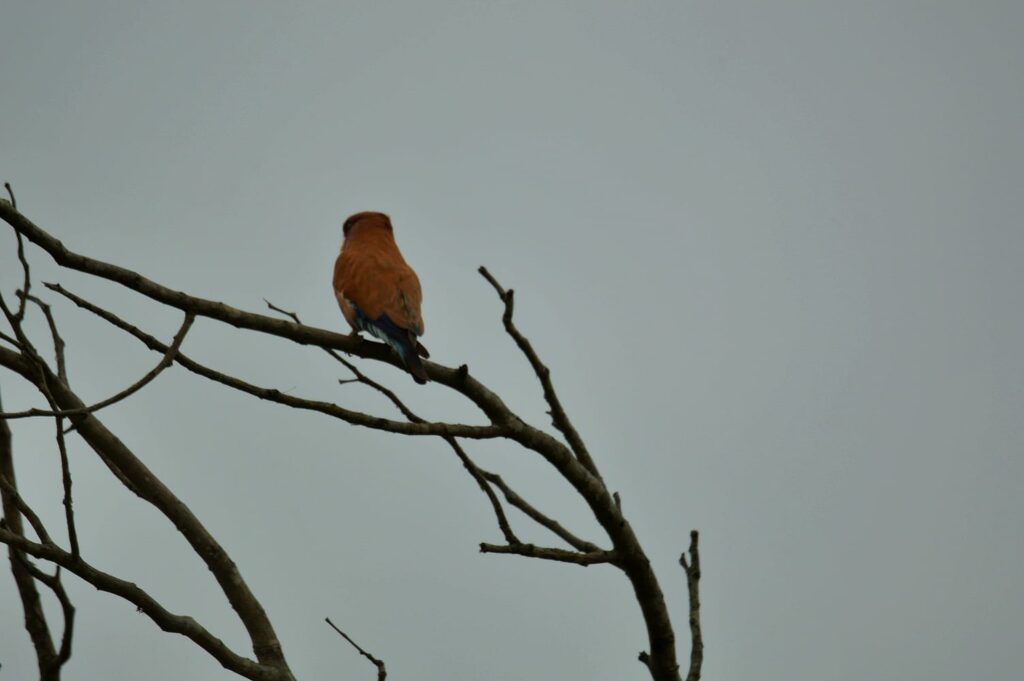
The Kruger and Greater Kruger region is home to an extraordinary diversity of birdlife, from brightly coloured species such as the lilac-breasted roller to impressive birds of prey and ground-dwelling species.
Birding can transform a game drive. Instead of simply travelling between larger wildlife sightings, you’re constantly watching, listening and learning. A distinctive call from the trees or a flash of colour overhead can become the highlight of the morning.
And for keen birders, every safari offers the possibility of adding another species to the list.
Experience South Africa’s natural heritage with Sun Destinations
At Sun Destinations, safari is about more than searching for the Big Five. It is about experiencing the bush in all its complexity, from its iconic wildlife to its smallest creatures, indigenous trees, and fascinating plant life.
Our knowledgeable guides help guests discover these details, whether you’re exploring the Greater Kruger on a game drive or experiencing the landscape on foot.
So, on your next safari, look beyond the obvious. Listen for the birds. Look closely at the vegetation. Follow the tracks, ask your guide about that unusual tree.
Because sometimes, the species you weren’t expecting to see become the ones you remember most.
This Heritage Day, celebrate South Africa by discovering the wild places, plants and animals that form part of our natural heritage.