
A safari is more than a holiday. It is an opportunity to experience wild places, learn about Africa’s ecosystems, and contribute to the communities and conservation efforts that help protect them.
Responsible travel does not start when you arrive at camp. The choices you make before, during, and after your trip can all have an impact.
From choosing where to stay to how you behave around wildlife, small decisions can help reduce your footprint and support the places you have come to experience.
Here are 15 practical tips to become a more responsible safari traveller:
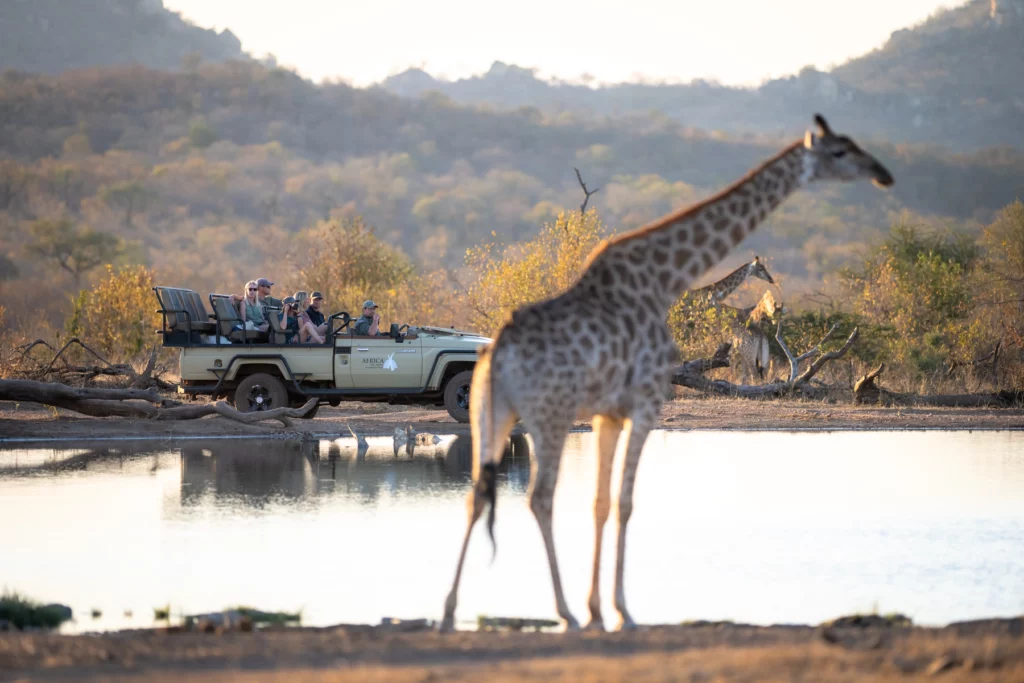
Before Your Safari
1. Choose a responsible safari operator
Where you spend your money matters. When researching your safari, look beyond the photographs and accommodation. Find out how the operator approaches conservation, sustainability and the communities around its properties.
Look for information about water and energy use, waste management, wildlife protection and community involvement. A responsible operator should be able to explain how tourism contributes to protecting the environment and supporting the people who live alongside these wild spaces.
2. Ask questions
Do not be afraid to ask questions before booking. How does the camp manage water? What happens to waste? Does the property support conservation projects? How does it work with local communities? What steps does it take to minimise its environmental impact?
These questions can help you make more informed choices and encourage tourism businesses to keep sustainability at the centre of what they do.
3. Consider the impact of your journey
Where practical, consider your travel choices carefully. Fly efficiently, avoid unnecessary connections where possible, and consider extending your stay rather than taking several short trips.
Staying longer also gives you more time to experience an area and make the most of the journey to get there.

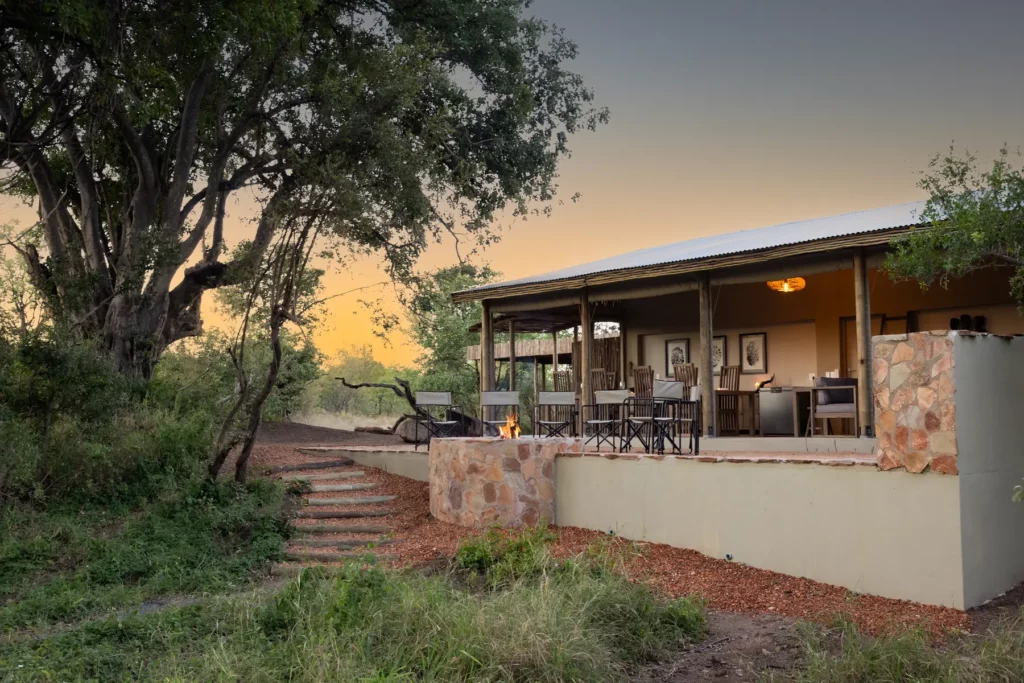
At Camp
4. Conserve water
Water is a valuable resource, especially in remote camp locations. Take shorter showers, and turn off taps when they are not needed. These small actions become meaningful when repeated across a camp and throughout the year.
5. Reduce waste
Try to avoid unnecessary single-use items and use refillable bottles where these are provided. Make use of recycling facilities and follow the camp’s instructions for waste disposal. Remote safari camps have very different waste-management challenges from urban environments. What you leave behind needs to be managed responsibly, often far from conventional waste facilities.
6. Follow camp safety guidelines
Safety guidelines aren’t simply there for your protection. In a wild environment, they also help to protect the animals around you. Stay within designated areas, follow instructions from camp staff, and never wander away from camp without being accompanied when this is prohibited.
Wild animals may move through camp areas, and maintaining appropriate boundaries helps both guests and wildlife coexist safely.
7. Respect the environment
Leave natural areas as you found them. Do not pick plants, disturb insects or animals, remove natural objects as souvenirs, or leave anything behind. Even small disturbances can have an impact in sensitive environments.
If you are walking through the bush, stay with your guide and follow their instructions about where to walk and what to avoid.
On Game Drive
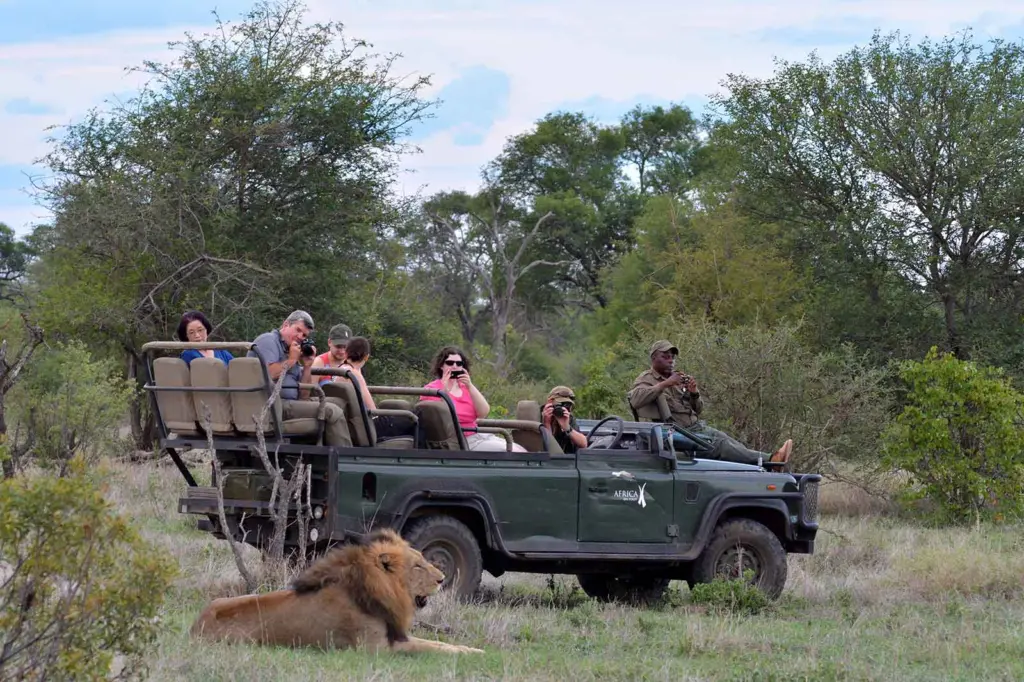
8. Do not pressure your guide to get closer
One of the most important rules of responsible wildlife viewing is simple: the animal comes first. It can be tempting to ask your guide to move closer for a better photograph or view. But guides must consider the animal’s behaviour, the terrain and the presence of other vehicles. If an animal moves away, let it. A good sighting does not have to mean being metres away from an animal.
9. Keep noise to a minimum
The quieter you are, the more you can observe. Loud conversations, music and sudden noises can disturb wildlife and may cause animals to change their behaviour. Part of the safari experience is learning to slow down, listen and observe what is happening around you.
10. Do not encourage vehicles to crowd a sighting
When an exciting sighting happens, it can quickly attract several vehicles. At Sun Destinations properties, only two vehicles are allowed at a sighting at a time, but responsible behaviour still matters.
Give animals space. Avoid blocking other vehicles and be willing to move on when a sighting becomes crowded. Wildlife should never feel surrounded for the sake of a photograph.
11. Never feed wildlife
Feeding wild animals can change their natural behaviour and create dangerous associations between wildlife and people or vehicles. Even if an animal appears harmless, do not offer it food. Wild animals should remain wild.
12. Follow your guide’s instructions
Your guide and tracker understand the environment you are travelling through. They are reading animal behaviour, tracks, sounds and other signs that may not be obvious to you.
If they ask you to remain quiet, stay in the vehicle, keep a certain distance or move away from a sighting, there is usually a good reason. Responsible safari travel means trusting their expertise.
Photography
13. Put the experience before the photograph
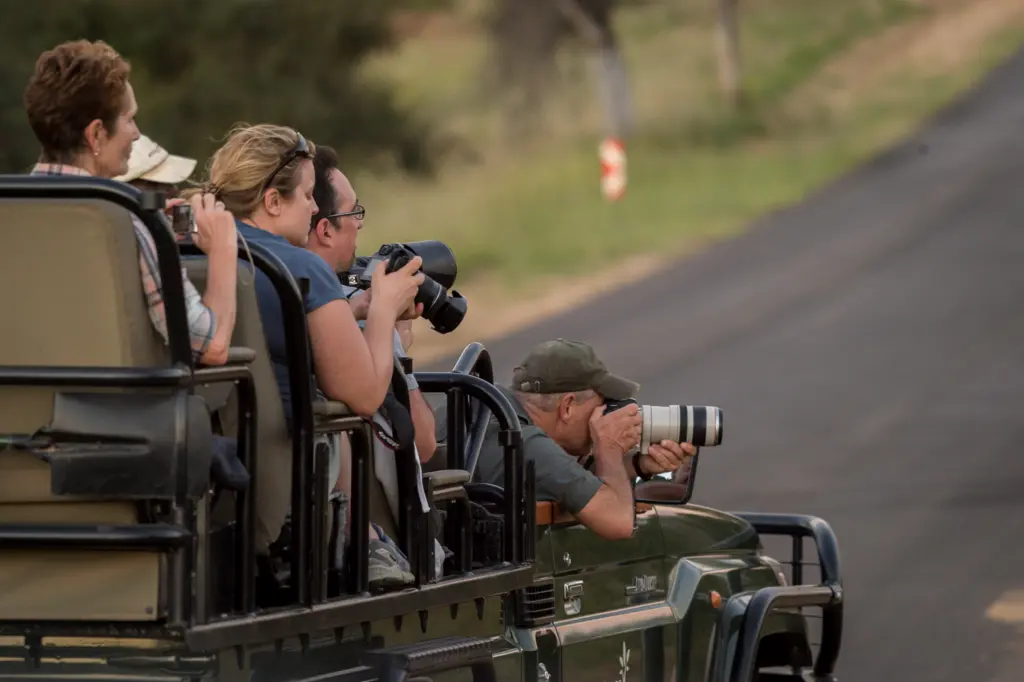
Photography can be an incredible way to document a safari, but getting the perfect image should never come at the expense of the animal.
Do not ask your guide to drive off-road simply to improve a photograph if doing so is not permitted or could damage sensitive vegetation. Do not encourage a guide to approach an animal that is showing signs of disturbance. Sometimes the best photograph is the one you take from a respectful distance.
14. Be considerate of wildlife and other guests
Remember that you are sharing the experience with both animals and people. Avoid loud camera shutters, phone calls, or conversations when others are watching wildlife. Do not obstruct another guest’s view simply to get your own photograph.
And when photographing at night, only use flash or other lighting equipment where it is permitted and appropriate. Your guide can advise you on what is suitable for the situation.
After Your Safari
15. Keep supporting conservation
Your role does not end when you leave the reserve. Consider supporting reputable conservation organisations or projects working to protect wildlife and wild spaces.
You can also make a difference by sharing responsible wildlife content. Avoid promoting images or stories that show animals being harassed, fed, touched, or approached inappropriately. The content we share helps shape expectations about what a safari should look like.
Most importantly, keep learning. Find out more about the ecosystems you visited, the species you encountered, and the conservation challenges facing the region. Understanding these places is one of the first steps towards caring about their future.
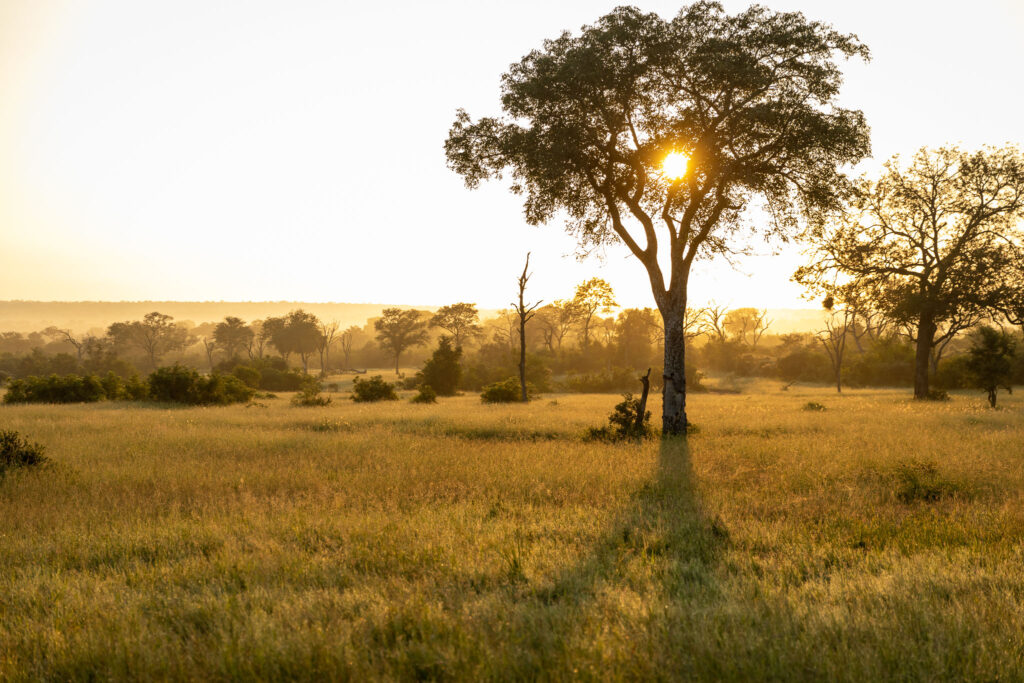
Responsible travel starts with respect
Responsible safari travel does not mean that you cannot enjoy your trip. In fact, it can make the experience more meaningful. It means understanding that you are a visitor in a wild environment.
The animals are not there for our entertainment. The landscape is not simply a backdrop. And the people who live and work in these places are an important part of the conservation story.
A responsible safari traveller observes without interfering, enjoys without taking more than they need, and leaves with a deeper understanding of the wild places they have visited. Because protecting Africa’s wildlife is not only the responsibility of conservationists, guides or safari operators. It is something every traveller can be part of.
Ready to travel responsibly?
At Sun Destinations, we believe that safari is about more than seeing wildlife. It is about connecting with wild places, learning from the people who know them best and travelling in a way that respects the environments we are fortunate enough to visit.
Our camps and lodges are found across some of Southern Africa’s remarkable wilderness areas, where every stay offers an opportunity to experience Africa while supporting the people, wildlife and landscapes that make it so special.
Ready to experience a more meaningful safari? Discover the Sun Destinations collection and start planning your journey into the wild.