
A safari is unlike any other holiday. There are no guarantees, no set schedules, and no glass between you and the wild. A lion may appear above the next bend, an elephant may wander past your vehicle, or you may spend an entire game drive following tracks without seeing the animal you are looking for.
Part of what makes safari so special is that everyone shares in these moments. And with a little consideration from each guest, those encounters can remain enjoyable, respectful, and memorable for everyone.
Whether it is your first safari or your tenth, here are a few simple guidelines to keep in mind when travelling into the wild.
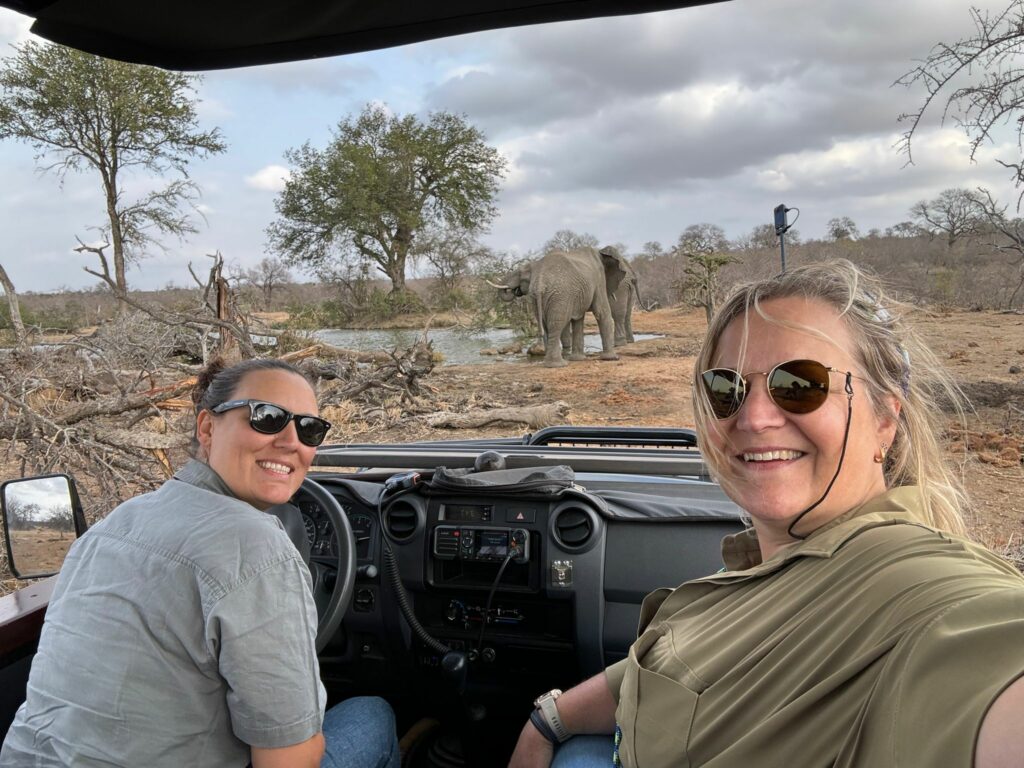
1. Give wildlife the space and respect it deserves
The most important rule of safari is also the simplest: The animals come first.
Wild animals are not performers, and you should never approach a sighting as though it is a show put on for visitors. Guides will position vehicles carefully and monitor the animals’ behaviour to ensure sightings remain respectful and safe.
This means avoiding shouting, sudden movements, or asking your guide to get unnecessarily close to an animal. If an animal appears uncomfortable, your guide may choose to move away or reposition the vehicle. Trust their judgement; they are reading the behaviour of the animals as well as the surroundings.
Sometimes, the most memorable encounters happen when you simply sit quietly and allow the bush to unfold around you.

2. Photography etiquette: capture the moment, but don’t miss it
A safari naturally inspires photography. From golden light on a giraffe to a leopard disappearing into the long grass, there is always something worth capturing.
But photography should never come at the expense of the experience, or another guest’s experience.
Avoid leaning over or across other guests to get a photograph and be mindful when using large cameras or long lenses. If you have the perfect angle, consider whether moving or standing would obstruct someone else’s view before doing so.
Flash photography is generally unnecessary on safari and can be disruptive to wildlife, particularly at close range or during night-time sightings.
And remember: your guide is there to help you understand what you are seeing, not simply to position the vehicle for the perfect photograph. Put the camera down occasionally. Watch. Listen. Take in the sounds, smells and atmosphere of the bush.
You may find that some of your favourite safari moments are the ones you never photographed.

3. Keep voices low at sightings
When approaching a sighting, keep conversations quiet and avoid sudden exclamations. Animals are highly aware of their surroundings, and excessive noise can cause them to move away or change their behaviour.
Quiet behaviour also benefits everyone in the vehicle. One guest’s loud conversation can easily mean another guest misses the sound of a lion calling, the alarm call of an impala or the rustle of something moving through the grass.
There is something wonderfully different about sitting in silence as a group, waiting to see what happens next.
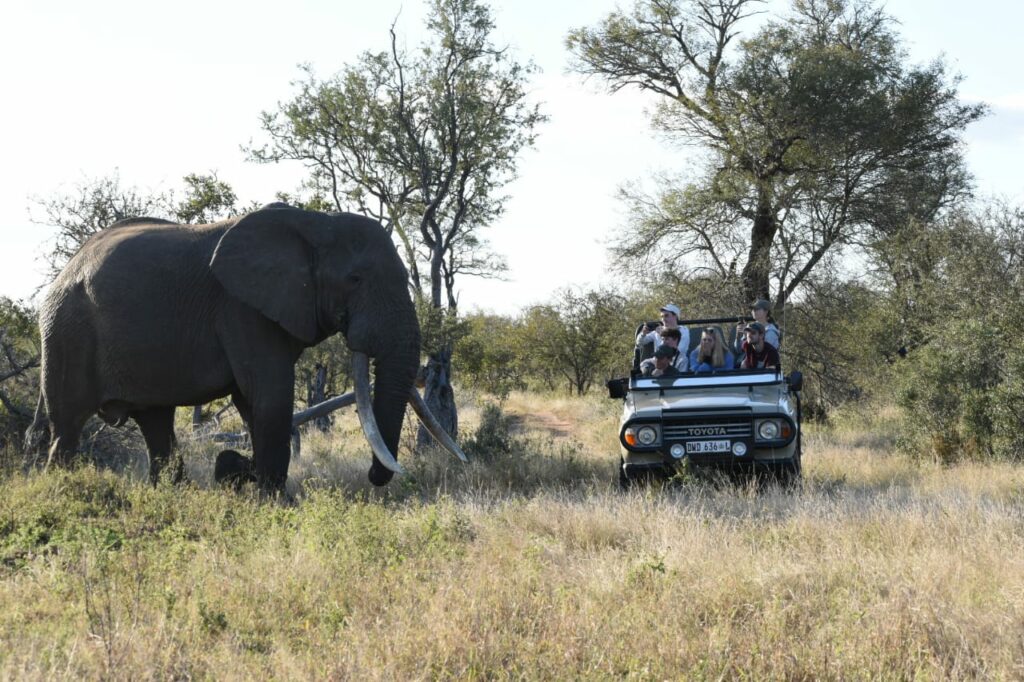
4. Trust your guide
Your guide is one of the most important parts of your safari experience.
A good guide isn’t simply someone who drives the vehicle. They interpret tracks, read animal behaviour, understand the landscape, identify birds and plants, and make decisions based on conditions that guests may not notice.
You may not always understand why the vehicle stops, changes direction, or leaves a sighting sooner than expected, but there is usually a reason.
Allow your guide to do what they do best. Ask questions, share what you are interested in seeing, and communicate your preferences, but also trust their experience.
At Sun Destinations, our guides play a central role in creating meaningful safari experiences. Their knowledge of the reserves, wildlife, and individual animal behaviour adds another layer to every game drive and walking safari.
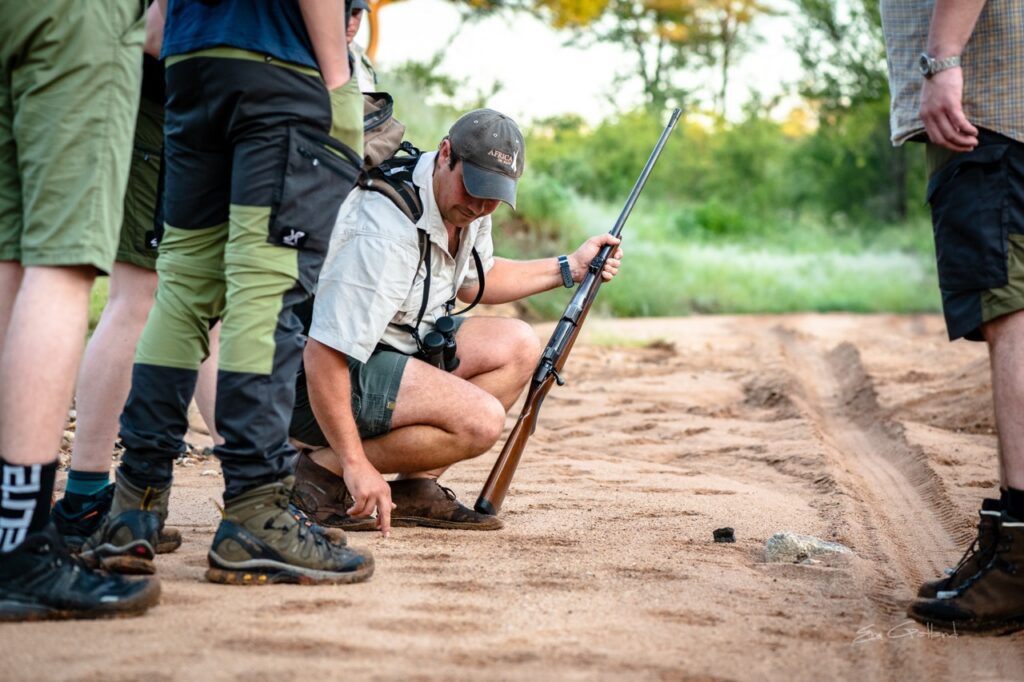
6. Be considerate of your fellow guests
Safari is often a shared experience, and everyone arrives with their own hopes and expectations.
Some guests may be passionate photographers. Others may be birders, first-time safari-goers, or simply looking to enjoy the atmosphere of the bush.
Try to find a balance. If you are travelling with other guests, remember that everyone deserves an opportunity to see, hear and experience the moment.
And if you are fortunate enough to have a particularly exciting sighting, enjoy it but allow others to have their turn too.
7. Follow the rules of the reserve and camp
Every reserve and camp has its own guidelines, and these exist for good reason. Your guide or camp team may brief you on everything from staying inside the vehicle to walking around camp after dark. Listen carefully and follow these instructions, even if you have been on safari before.
In unfenced areas especially, wildlife can move through camp at any time. Something as simple as walking to your room after dark may require an escort.
These guidelines aren’t intended to restrict your experience. They are designed to keep both guests and wildlife safe while allowing you to enjoy a genuinely immersive stay.
8. Tipping: a thank you for exceptional service
Tipping is a personal choice, but it is an important part of safari culture and is often appreciated by the people who help make your stay memorable.
Tips may be given to individual guides and other staff or placed into a communal staff tip box depending on the lodge’s system. Your camp manager or reservations team can explain the preferred approach at your property.
There is no single universal amount that every safari guest is expected to tip. The length of your stay, level of service, and your personal budget can all be considered.
Rather than feeling pressured to tip a certain amount, think of it as a way to acknowledge exceptional service and the people behind your experience: from guides and trackers to housekeeping, chefs and camp staff.

9. Leave only footprints
Responsible safari etiquette extends beyond how we behave around animals.
Avoid leaving litter behind, don’t remove plants, rocks or other natural objects, and follow the principles of leaving the environment as you found it.
Small actions matter, such as choosing reusable water bottles, using resources thoughtfully, and respecting the natural environment; all contribute to protecting these wild spaces for the future.
After all, the privilege of experiencing Africa’s wilderness comes with a responsibility to help preserve it.

Safari is about more than what you see
A successful safari isn’t measured by how many animals you tick off a list.
It is about the experience: the anticipation as your guide follows a set of tracks, the silence before sunrise, the distant call of a lion, the first glimpse of an elephant through the trees, and the stories shared around the fire afterwards.
At Sun Destinations, we believe safari should be immersive, personal and respectful of the wild. Across our collection of camps and lodges, guests can experience Africa in different ways, from intimate tented camps and classic safari lodges to walking safaris that place you on foot in the heart of the wilderness.
Our guides and camp teams are there to help you make the most of every moment, while ensuring that the wildlife and wild places we have the privilege of sharing remain at the heart of the experience.
So, when you head out on your next game drive, remember the golden rule of safari etiquette: Be curious, be considerate, listen to your guide, and give the wild the space to surprise you.