
There are so many different layers to the safari experience. While guests may be watching an elephant crossing the road or a herd of impala grazing in the distance, safari guides and trackers are often reading an entirely different story unfolding around them.
A set of footprints in the sand, a freshly broken branch, or a change in an animal’s behaviour can reveal what has passed through the area, where it might be heading, and what could happen next.
This is the skill of reading the bush. It’s a combination of experience, patience, observation, and an understanding of the natural environment. And when you join a guided safari in Southern Africa, you have the opportunity to discover just how much there is to see beyond the animals themselves.

The stories hidden in the tracks
Wildlife tracking is one of the most fascinating parts of a safari. Every animal leaves signs of its presence, and learning to recognise these signs helps guides and trackers understand what is happening in the surrounding environment.
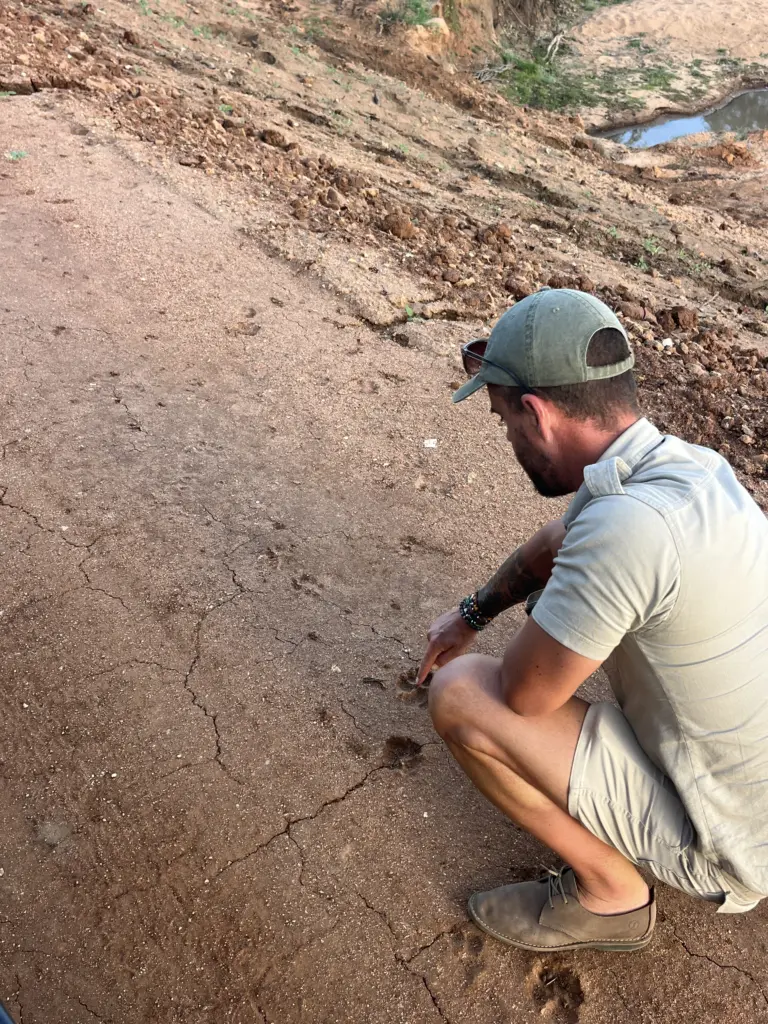
The first clues are often footprints. The shape, size, and depth of a track can help identify the animal, while its freshness can indicate how recently it passed through the area. Experienced trackers can also follow a trail to understand the direction an animal is travelling.
Droppings can also provide clues about which species have been in the area and what they have been eating. Broken branches, disturbed vegetation and marks on tree trunks can reveal feeding activity, while other signs may indicate that an animal has rested or moved through a particular spot.
Guide Edward from Chacma Bush Camp and Africa on Foot Wilderness Trails explains that reading the bush explains that reading the bush involves using more than just what you can see. Tracks, smells, sounds, and other animal signs all contribute to understanding what is happening around you.
For example, when following elephants, their footprints may disappear as they move into thicker vegetation. However, broken branches and feeding signs can help guides and trackers work out where the herd has gone.
Understanding animal behaviour
It is one thing to find an animal; understanding what it is doing and how it is feeling is another. This is where experienced safari guides come in handy. They spend years learning to recognise subtle changes in animal behaviour. These observations help them interpret what an animal might be communicating and determine how best to approach it.
For example, elephants’ body language can reveal a lot about their mood. Head or ear movements and behavioural changes can indicate that an elephant is becoming uncomfortable with a vehicle or people nearby.
Edward explains that guides need to watch for these signs rather than focus only on getting a closer sighting. An elephant that begins shaking its head or ears may be showing signs of irritation or discomfort. Recognising these behaviours allows guides to adjust their approach and give the animal the space it needs.
This understanding also comes from spending time with wildlife. The more familiar guides become with individual animals and their personalities, the better they can judge how those animals might respond in different situations.
A responsible safari is not about getting as close as possible. It is about understanding animal behaviour and knowing when to observe, when to wait, and when to move away.
The partnership between guides and trackers
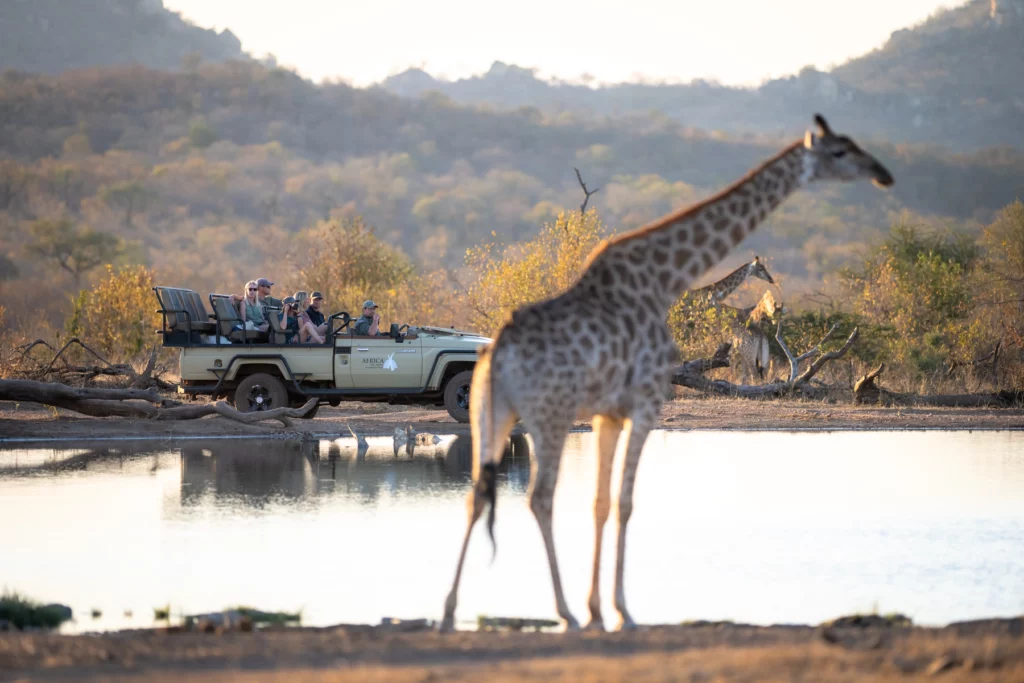
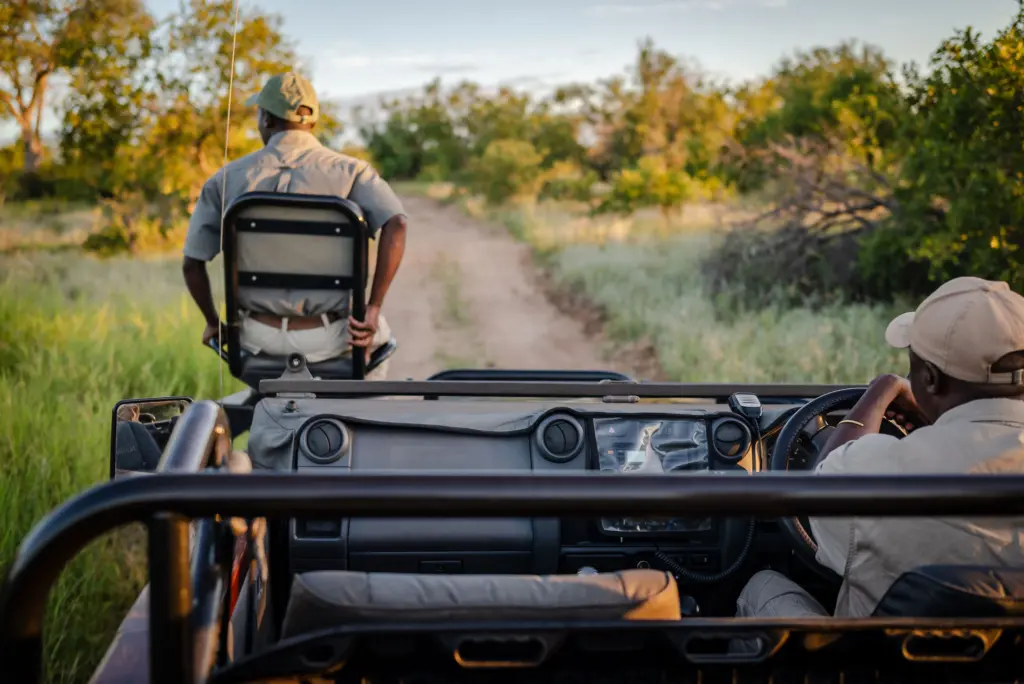
Behind many memorable wildlife sightings is a close working relationship between a safari guide and a tracker. Although their roles complement one another, each brings a different perspective to the experience.
Trackers are highly skilled at identifying and following the signs animals leave behind. Their ability to read footprints, disturbed vegetation, and other subtle clues helps the team understand where wildlife may be moving.
Guides combine this information with their knowledge of animal behaviour, the landscape and the wider ecosystem. They interpret what is happening and share these discoveries with guests, helping them understand the bigger picture.
Communication and teamwork are essential. A tracker might notice a set of fresh tracks or a broken branch that others have overlooked. The guide can then use this information to decide how best to proceed. Together, they turn small clues into a much deeper understanding of the bush.
For guests, this teamwork offers an opportunity to learn from two people who experience the bush in different but equally valuable ways.
Patience is part of the experience
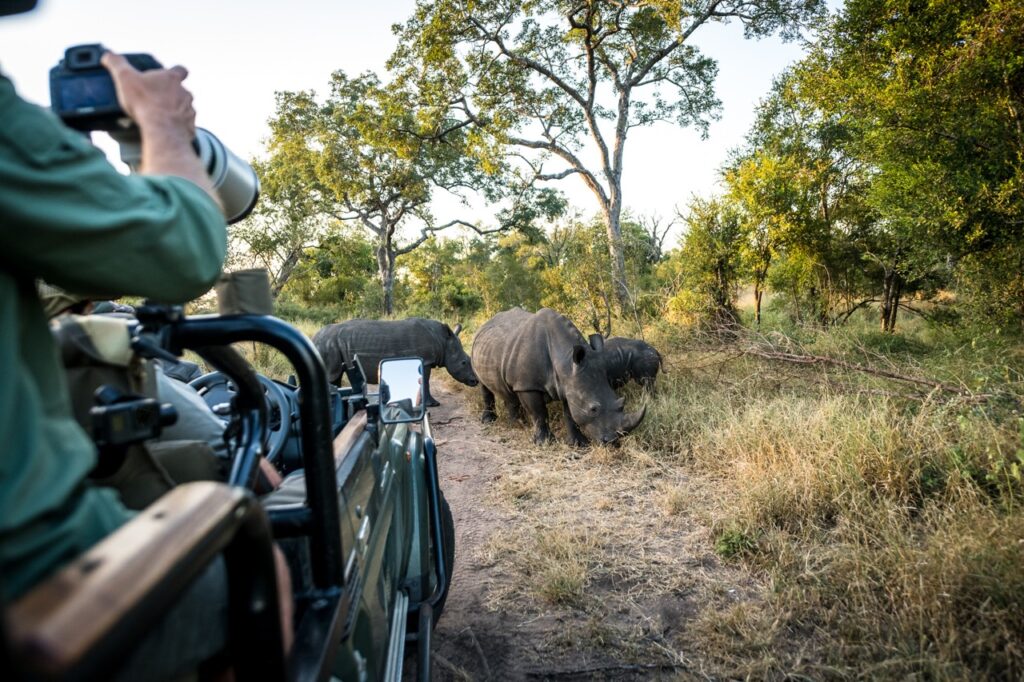
One of the biggest differences between simply seeing wildlife and understanding it is the willingness to slow down. It is important to note that safaris don’t follow a predictable schedule. Sometimes, the most rewarding moments come from waiting quietly, observing an animal from a respectable distance, or taking the time to investigate something that initially feels insignificant.
Switching off the vehicle’s engine, for example, can make a surprising difference. Without the sound of the engine, smaller details become easier to notice. Bird calls, movement in the grass, and the sounds of animals communicating all become part of the experience.
Edward highlights the importance of recognising when wildlife is uncomfortable. If an animal shows signs of stress, guides may switch off the engine, allow it to settle, or move away entirely. The aim is never to force a sighting.
This approach is an important part of responsible wildlife viewing. Animals should be allowed to move freely and behave naturally, without pressure from vehicles or people. It also reminds us that a safari is not simply about ticking off the Big Five. A dung beetle rolling its way across a track, an eagle calling from a tree or a herd of elephants feeding quietly can be just as rewarding when you understand the role it plays in the ecosystem.
Learning to see more on safari
The beauty of a guided safari in Southern Africa is that you are never simply observing wildlife from a distance. You are learning to understand the environment in which it lives.
A knowledgeable guide can explain why an animal has chosen a particular feeding area, what its tracks reveal or why certain behaviour might be significant. A skilled tracker can point out signs that most visitors would walk straight past.
Over time, you may find yourself looking at the bush differently. Instead of seeing only the animals in front of you, you begin noticing the details around them. You start listening more carefully, looking closer and asking different questions.
At Sun Destinations, every safari is an opportunity to connect more deeply with Africa’s wilderness. From interpreting animal tracks to understanding the behaviour of the wildlife around you, our experienced guides and trackers bring knowledge, passion and a genuine appreciation for the natural world to every experience.