
Spring in the African wilderness is a season of transformation. As winter gives way to warmer days, the landscape begins to change, migratory birds return, plants put out fresh growth, and animals adjust their behaviour to the changing conditions.
For guests on a spring safari, some of these changes are easy to spot. Others are much smaller, such as a dragonfly appearing for the first time, the buzz of bees around a flowering tree, or the return of frogs after the first rains.
At nThambo Tree Camp, guide Julian has spent countless hours observing these seasonal changes from the game drive vehicle and on foot. We asked him what he notices when spring arrives, what encounters he looks forward to, and what guests should look out for when experiencing spring in the African bush.
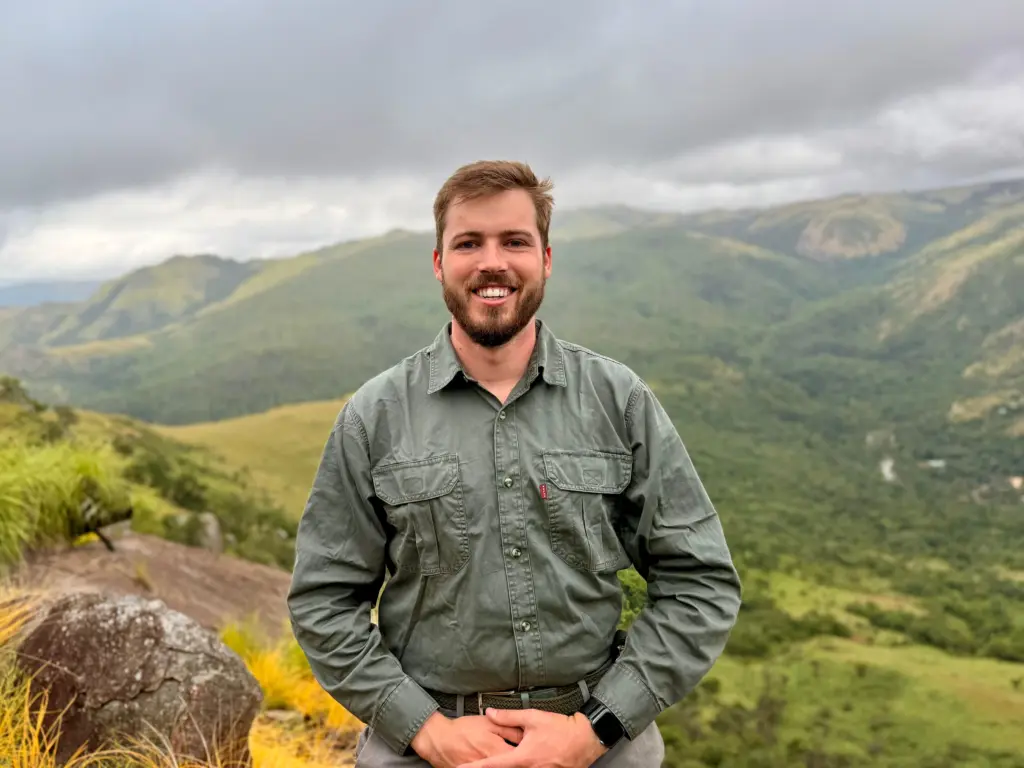
When does spring arrive in the Greater Kruger wilderness?
For a guide, the arrival of spring is not marked by a single date. Instead, there are subtle changes happening throughout the bush that signal the beginning of a new season.
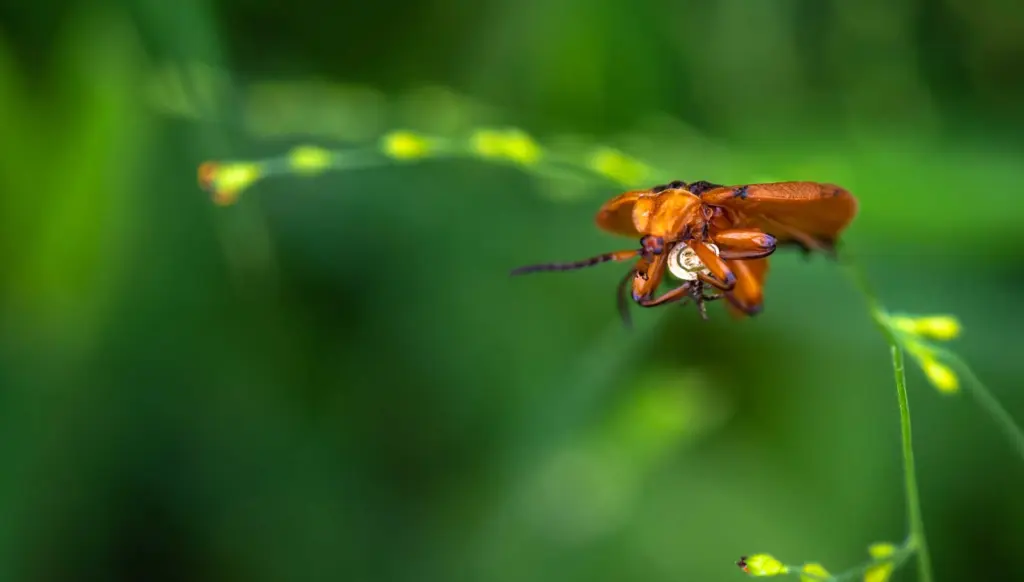
For Julian, one of the first and most noticeable signs is the sound of bees:
“My favourite and one of the first signs is the buzzing of bees as they wake up and start looking for food around the flowering trees around the lodge.”
As temperatures rise, flowering trees and plants begin attracting insects, creating new opportunities for animals throughout the ecosystem. The return of activity around these flowering plants is one of the early signs that the bush is waking up after winter.
Wildlife behaviour changes in spring
A spring safari can offer a different wildlife experience because animals begin responding to warmer temperatures and changing conditions.
Julian has noticed that rhino sightings seem to increase around this time of year, something he observed during the previous spring as well. Other changes are more behavioural.
As temperatures rise, elephants and rhinos begin mud bathing again. Animals also visit waterholes more frequently to drink and cool down.
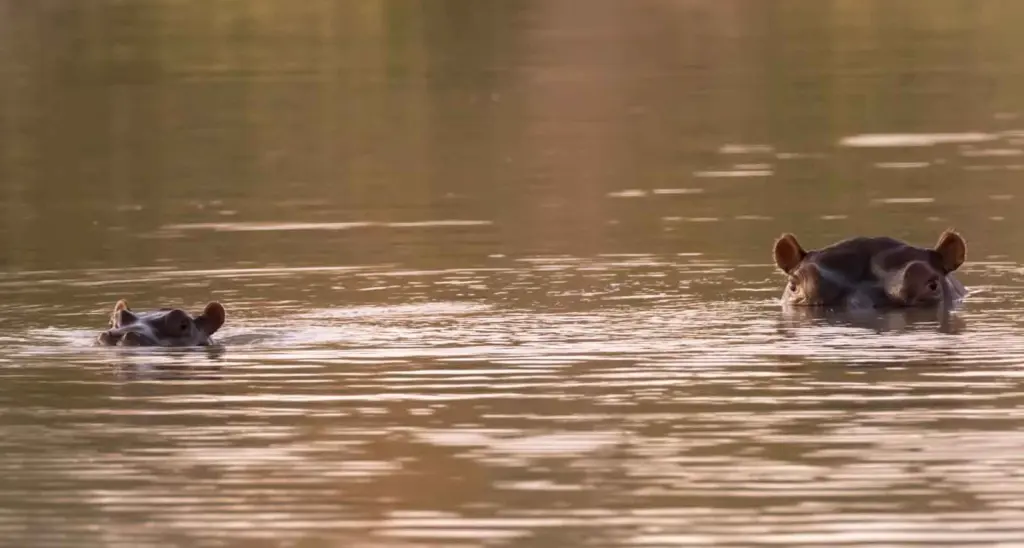
At nThambo, the changing water levels also make the camp’s large waterhole an excellent place to look for crocodiles.
As the water level drops, exposed banks create areas where crocodiles can leave the water and bask in the sun. Julian explains that this changes throughout the year.
“In winter they’d hide somewhere, and in full summer the water is so high they end up resting in the bushes. Now that it’s getting hot, they come out of the water to warm up.”
It is a good example of how wildlife behaviour changes with the seasons. The same waterhole can offer very different sightings depending on the time of year.
Look beyond the Big Five on a spring safari
Spring is an excellent time to pay attention to the smaller signs in the bush.
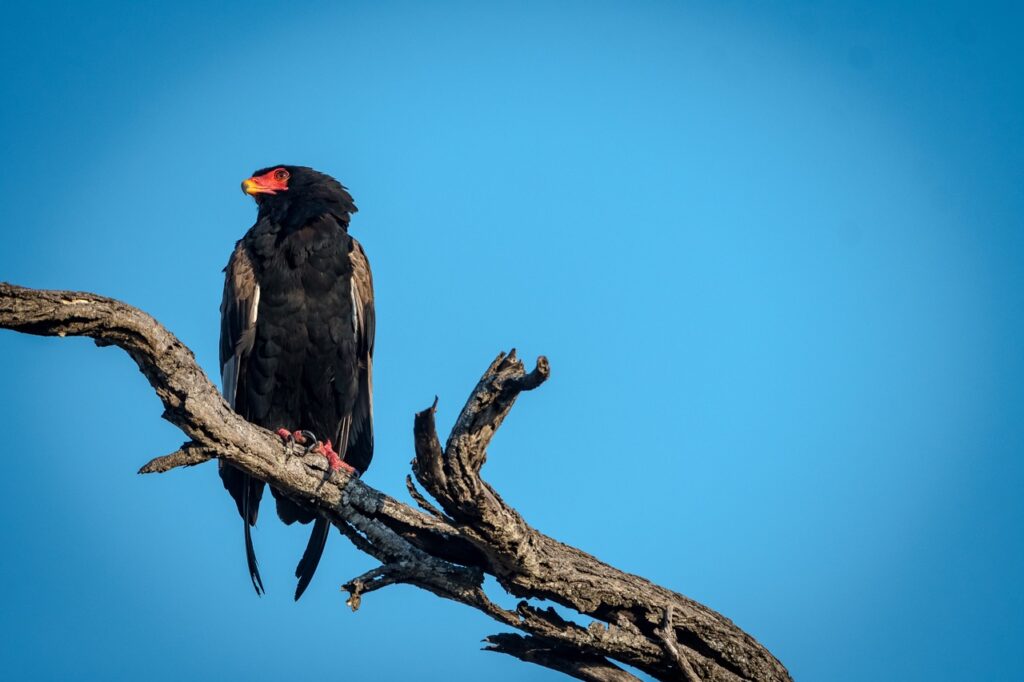
The first migratory birds begin returning, with swallows, swifts and Wahlberg’s eagles among the early arrivals. For birdwatchers and keen safari-goers, these returning species add another layer to the experience.
Then there are the tiny creatures that can easily go unnoticed.
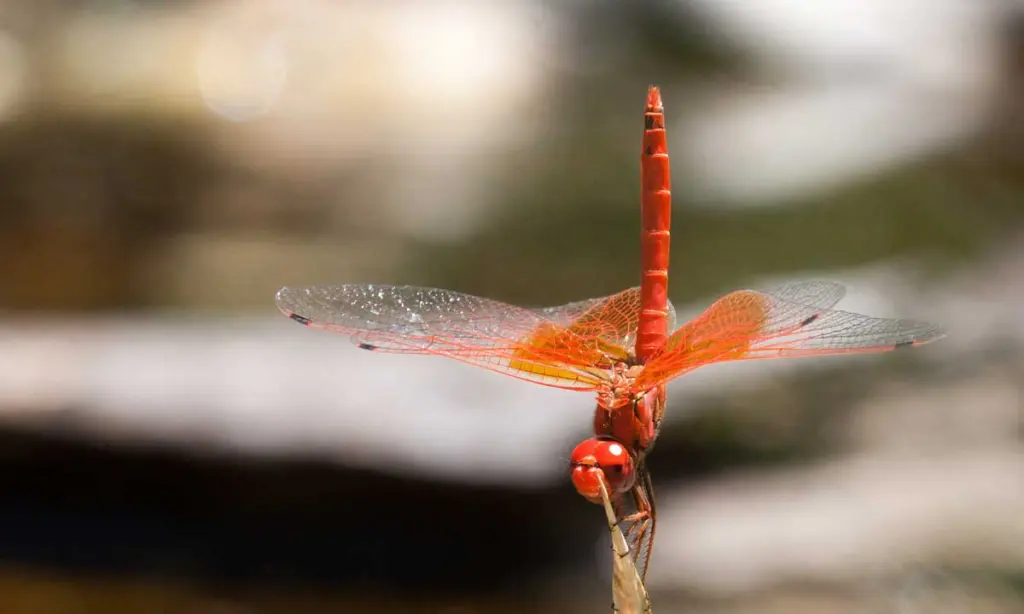
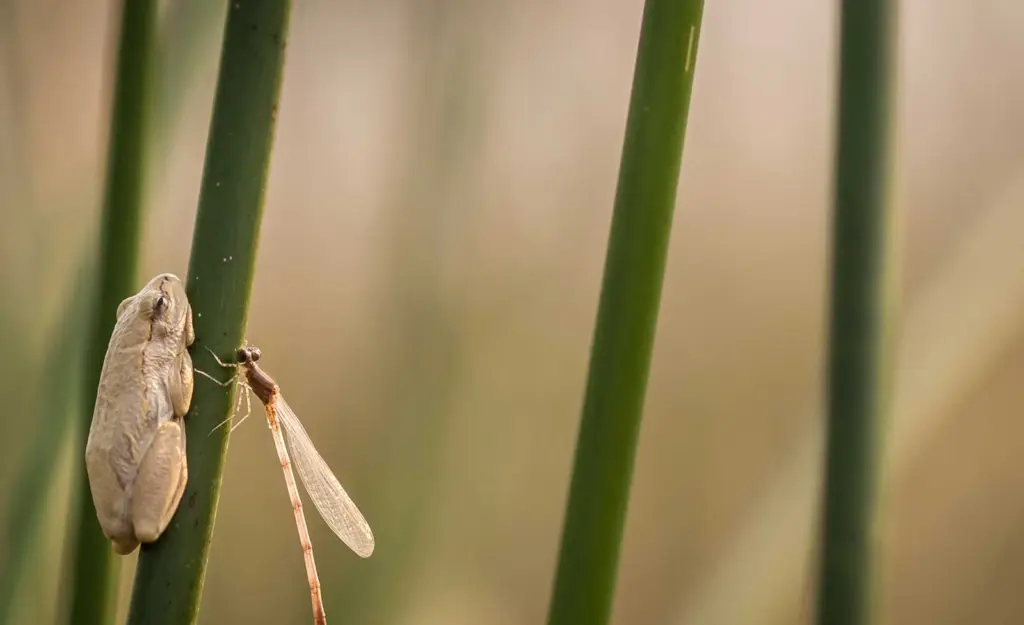
Julian recently shared his excitement with guests after spotting the first dragonfly of the season.
For a visitor, it might seem like a small sighting. For a guide, it is another piece of evidence that the ecosystem is changing.
This is one of the joys of a spring safari in Africa: the opportunity to look beyond the most famous wildlife and notice the insects, birds, plants and other smaller creatures that contribute to the wider ecosystem.
Fresh growth brings the bush back to life
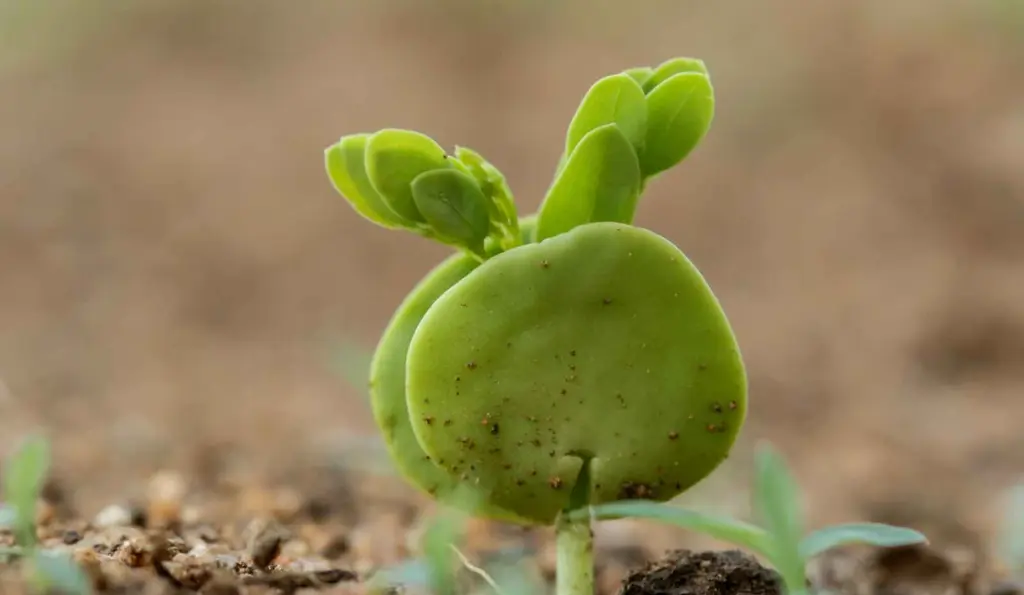
One of the most visible changes during spring is the response of the vegetation.
Small flowers begin appearing on bushes and trees, while grasses start producing new growth. Interestingly, Julian points out that this can happen even before the first significant rains.
Plants can draw on nutrients stored in their roots, allowing new growth to appear while the landscape is still relatively dry.
For guests, this means that one of the best ways to experience spring in the African bush is to simply slow down and look closely.
Julian encourages visitors to:
“Look out for all the ways plants are becoming alive. Look for little flowers growing on bushes and trees. Grass presenting some new growth.”
Instead of only searching for the next elephant, leopard, or lion, take a moment to notice what is happening at eye level. A flowering tree, fresh blades of grass, or a tiny insect can reveal just as much about the changing season.
The return of migratory birds
Spring also brings movement to the skies.
Among the early returning migrants Julian looks forward to are swallows, swifts and Wahlberg’s eagles. Their arrival is another indication that the seasons are changing.
For guests, this is a reminder to keep looking upwards during a game drive. The wildlife experience is not limited to what is moving through the grass or gathering at the waterhole.
The return of migratory birds adds another dimension to a spring safari, particularly for guests interested in birdlife and the seasonal rhythms of the bush.
Waiting for the first summer rains
One of the biggest seasonal milestones is still to come: the first substantial rains.
For Julian, the sound of frogs is one of the things he most looks forward to.
“I am always excited for the first big rains as that means the frogs will start calling again.”
After the quieter winter months, the return of frog calls creates a completely different soundscape. It is another example of how a change in weather can trigger activity throughout the ecosystem.
The rains also encourage further plant growth, transforming the landscape and setting the stage for the warmer months ahead.
A termite spectacle Julian will never forget
Some spring and early summer experiences are impossible to predict, and can become the sightings that guests remember for years.
For Julian, one of his most memorable seasonal experiences happened during his assessment drive to become a qualified guide.
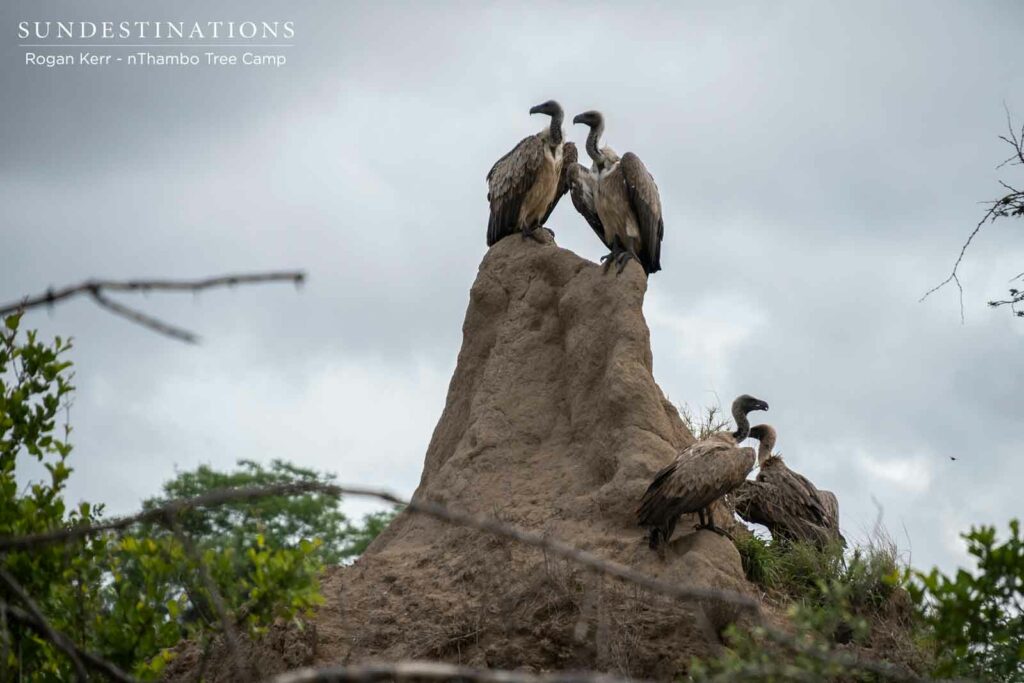
Thousands of termite alates emerged from their termite mounds during their nuptial flight. The sudden abundance of food attracted birds and even eagles, which gathered around the termite mounds waiting for the opportunity to feed.
Julian recalls the spectacle as one of those unforgettable moments that demonstrate how closely connected the different parts of the ecosystem are.
He has even heard stories of leopards taking advantage of termite emergences, although he is still hoping to witness this himself.
What should you look for on a spring safari?
If you are visiting nThambo Tree Camp for the first time in spring, Julian’s advice is to slow down and look beyond the obvious.
Look for:
- Fresh green growth appearing in grasses
- Small flowers on trees and bushes
- Bees buzzing around flowering trees
- Dragonflies and other insects
- The return of migratory birds
- Crocodiles basking along the waterhole
- Elephants and rhinos mud bathing
- Wildlife gathering more frequently at waterholes
- Frogs calling after the first rains
- The changing landscape as the rains arrive
These details can be easy to overlook when you are focused on finding a particular animal. But they are part of what makes a spring safari in Africa so rewarding.
Experiencing spring through a guide’s eyes
For Julian, perhaps the best part of guiding in spring is not a particular animal sighting at all. It is the atmosphere created by the changing landscape.
“The bush smells so fresh and nice all drive long. Especially when we drive past flowering trees.”
That fresh scent, the buzzing of bees, returning birds, new plant growth, and anticipation of the first rains all form part of the sensory experience of spring in the bush.
A spring safari is not simply about seeing more wildlife. It is about noticing the subtle changes that happen throughout the ecosystem as winter gives way to warmer, wetter months.
And sometimes, the most memorable moment of the drive may be something as small as the first dragonfly of the season, the sound of frogs after rain or the scent of a flowering tree drifting through the open vehicle.
At nThambo Tree Camp, spring offers guests the opportunity to experience the bush as it awakens, one small sign at a time.