
Spring is a season of transformation in the South African bush. As the first rains arrive and temperatures begin to rise, the landscape slowly shifts from the dry tones of winter to fresh greens, new growth, and renewed activity.
For safari-goers, this means experiencing the bush in a slightly different way. Wildlife behaviour changes, young animals become more visible, birds become increasingly active, and even the smallest creatures play an important role in the seasonal transformation.
So what actually changes during spring?
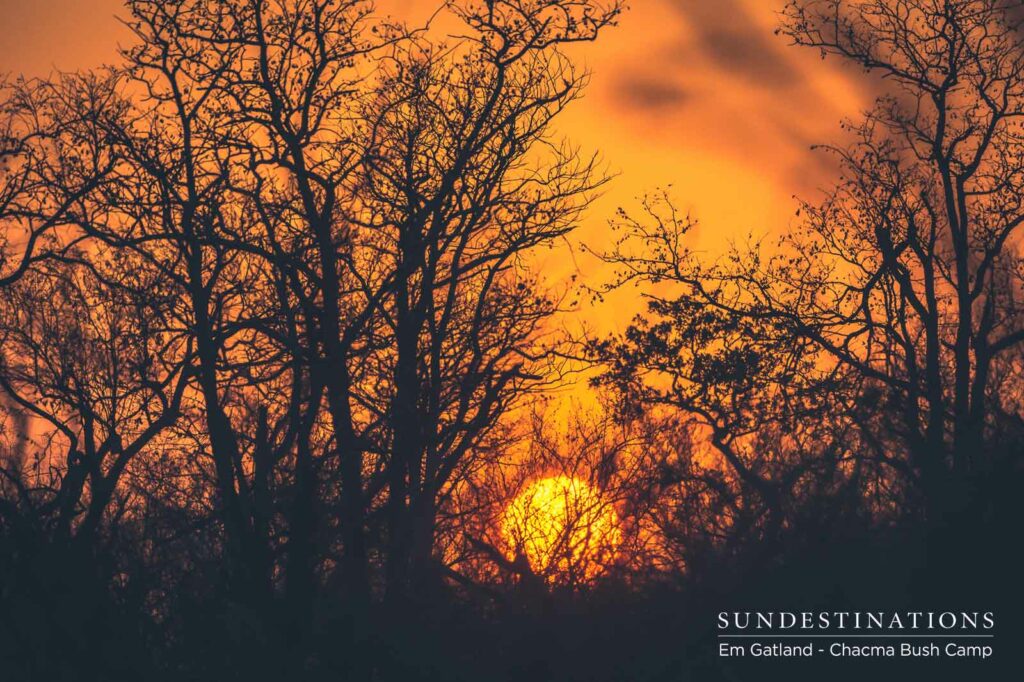
The bush turns green
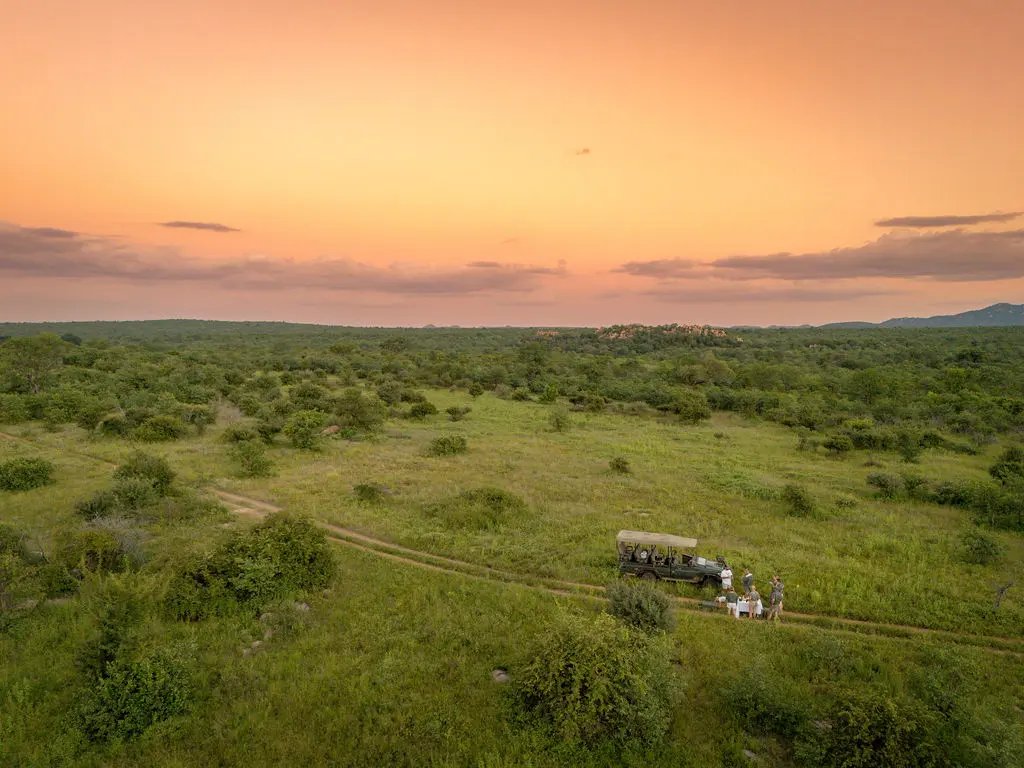
One of the most noticeable changes is the landscape itself.
The first rains encourage fresh grass and new leaves, bringing colour back to the bushveld. Dry riverbeds and seasonal water sources may begin to fill, while previously dormant plants respond to the moisture.
The transformation isn’t always immediate. It happens gradually, with small signs of new growth appearing before the landscape becomes noticeably greener.
For guests on safari, this creates a completely different backdrop for wildlife viewing, and a reminder that the bush is constantly changing.
New life in the bush
Spring is synonymous with new life.
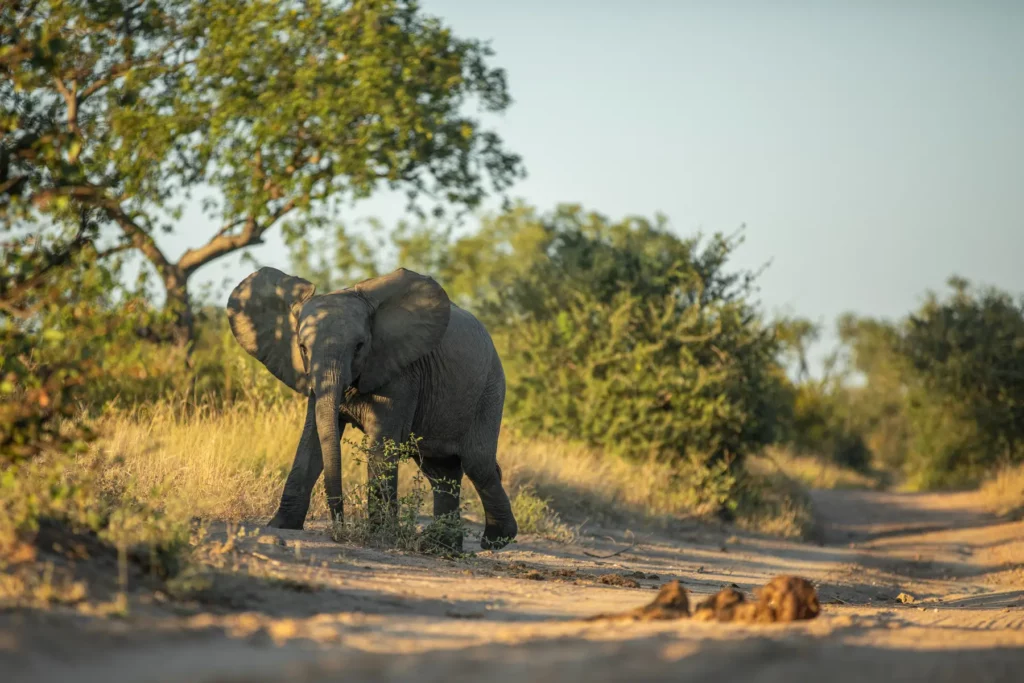
Across the bush, young animals become increasingly noticeable, from impala lambs and warthog piglets to young elephants, giraffes and other antelope. The timing of birth varies between spaces, but spring is a particularly rewarding period for observing young animals and the protective behaviour of their mothers.
Their arrival also influences the wider ecosystem. Predators have new opportunities, while herds may become more alert and protective.
Rather than simply watching individual animals, guests can begin to see the relationships between them, one of the things that makes a guided safari so fascinating.
Birds become more active
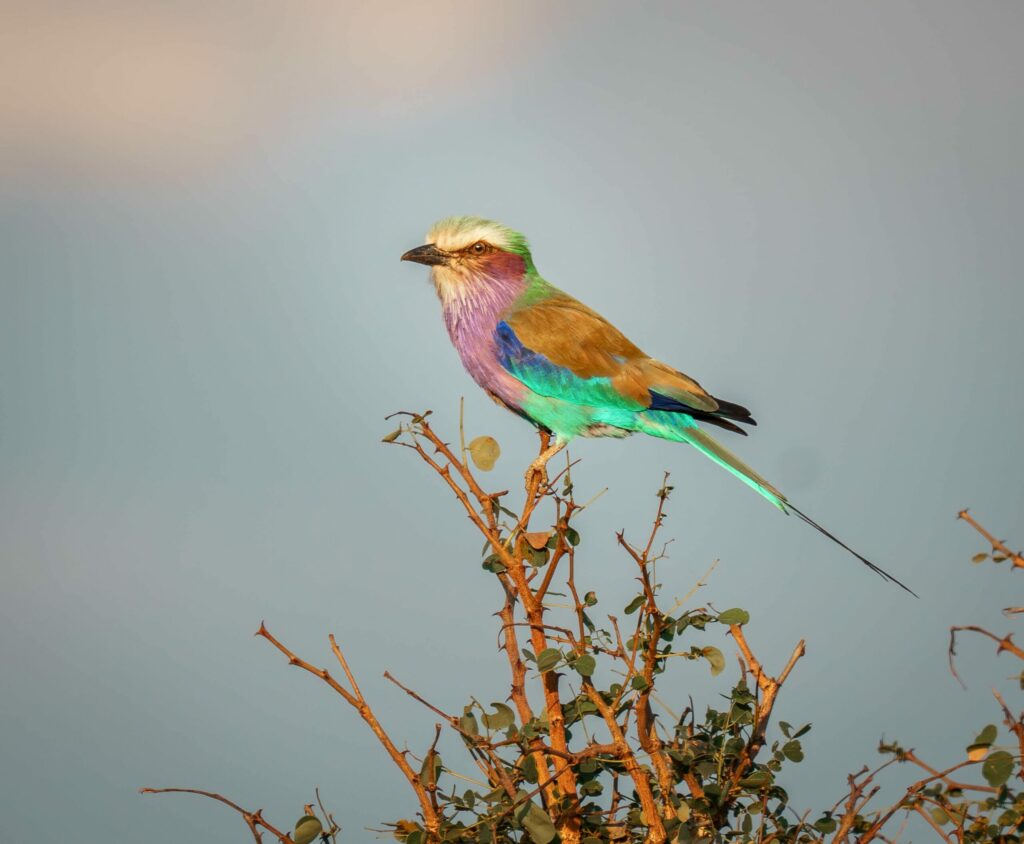
Spring also brings increased bird activity.
Warmer weather, along with abundant insects and fresh vegetation, provides ideal conditions for many bird species. Migratory birds are present in the region, while resident species become busy with courtship, nesting, and raising young.
The change isn’t only visual. The bush can become noticeably louder, filled with calls and activity.
For birders and keen photographers, spring offers plenty to look for beyond the Big Five.
The return of the smaller creatures
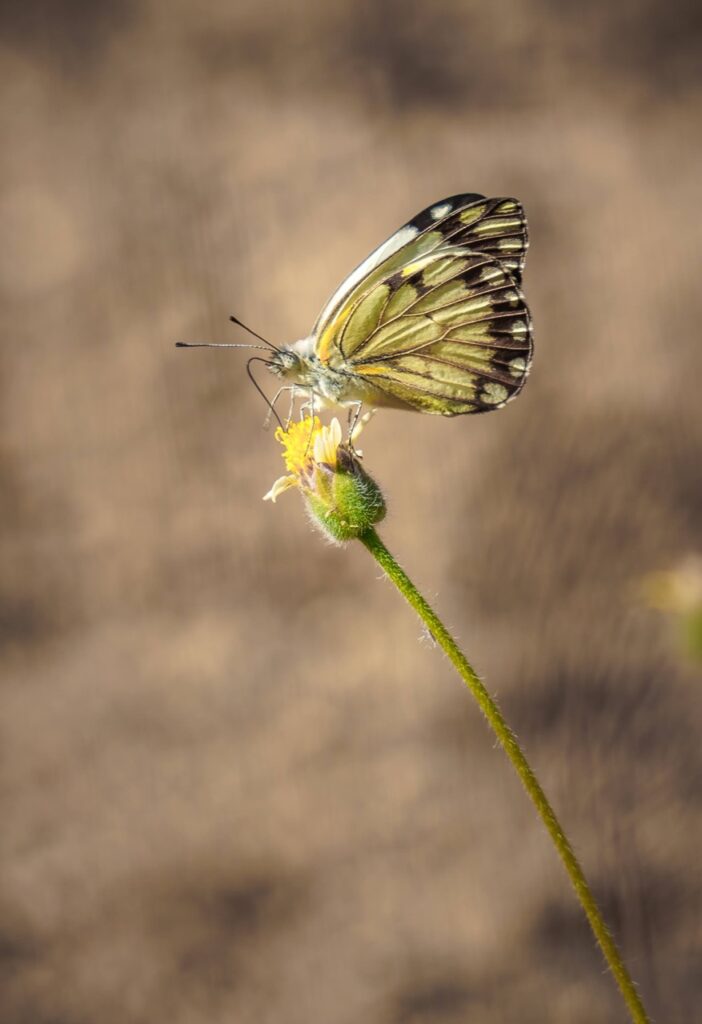
Rain and warmer temperatures bring increased insect activity.
Butterflies, beetles, dragonflies, grasshoppers and other insects become more noticeable, while termites and other seasonal activity can provide fascinating spectacles in their own right.
And these small creatures are an important part of the bigger picture.
More insects provide food for birds and other wildlife, while pollinators contribute to the growth and reproduction of plants. Spring demonstrates just how interconnected the bush is.
The rains change the safari landscape
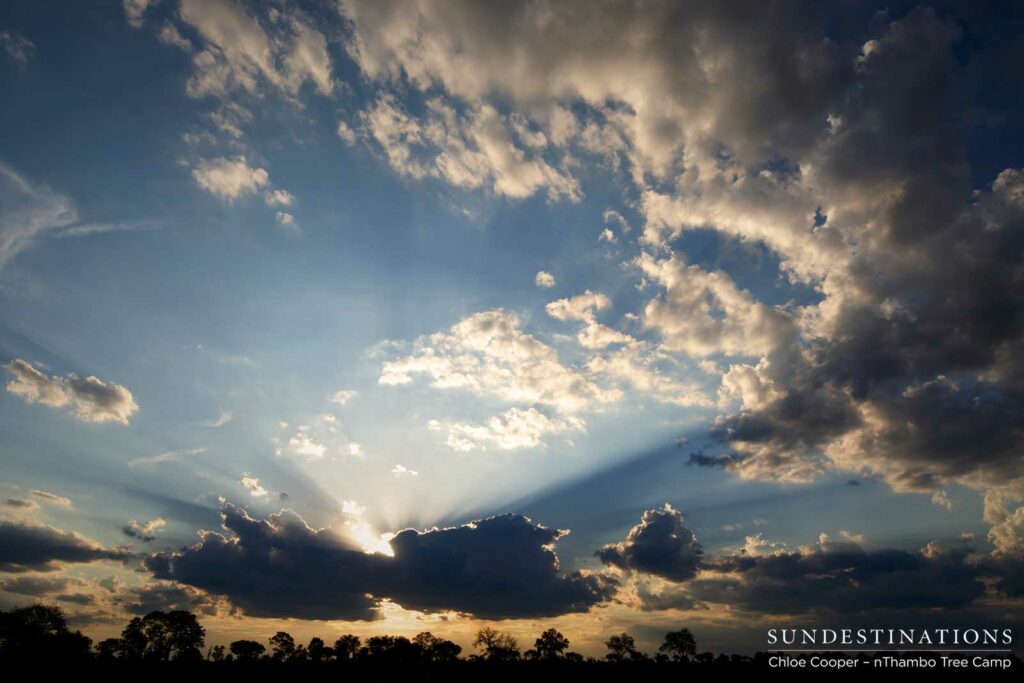
The arrival of rain also changes the experience of being on safari.
Roads can become muddy, vegetation becomes thicker, and water is no longer as concentrated in permanent waterholes. Fresh rainfall can also create interesting opportunities for tracking, particularly on foot, as animals leave new spoor in soft ground.
For walking safari guests, these changes can make the landscape particularly rewarding to explore. A guide isn’t just looking for animals; they’re reading the signs of what has happened across the landscape.
Wildlife behaves differently
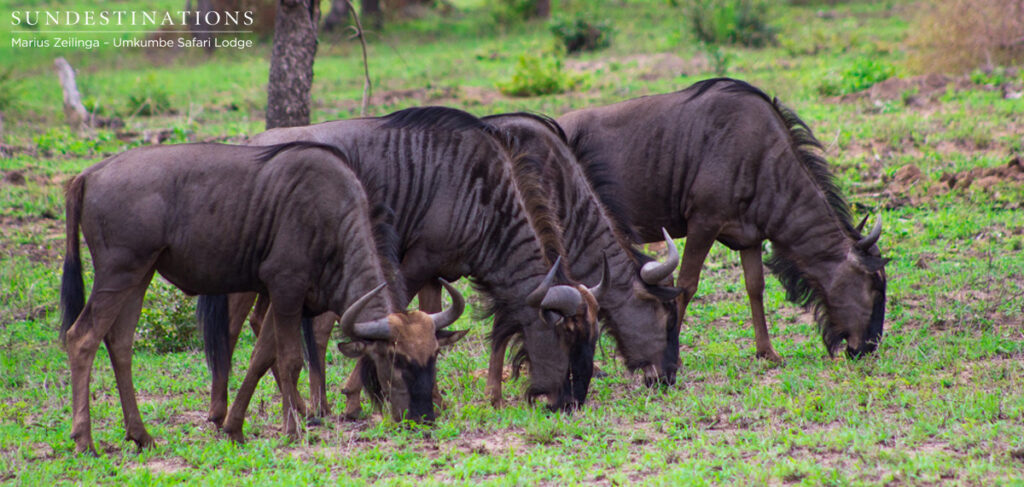
As temperatures rise and water becomes more widely available, wildlife can change its movements and routines.
Animals may spend more time feeding on fresh vegetation, while others seek shade during warmer parts of the day. Predators may take advantage of opportunities presented by young or vulnerable prey.
Of course, spring doesn’t guarantee particular sightings. Instead, it creates a dynamic environment where the behaviour and interactions between species can be just as interesting as the sightings themselves.
This is where the knowledge of an experienced guide becomes invaluable. Understanding the season helps guides interpret what guests are seeing and, importantly, what they might otherwise miss.
Experiencing spring with Sun Destinations
Across the Sun Destinations portfolio, spring can be experienced in many different ways.
At Africa on Foot in the Klaserie Private Nature Reserve, guests can explore the changing bush on foot as well as from a safari vehicle, getting closer to the smaller details of the landscape.
At Chacma Bush Camp and Africa on Foot Wilderness Trails, the Maseke landscape offers opportunities to experience seasonal changes through walking, tracking, and game drives.
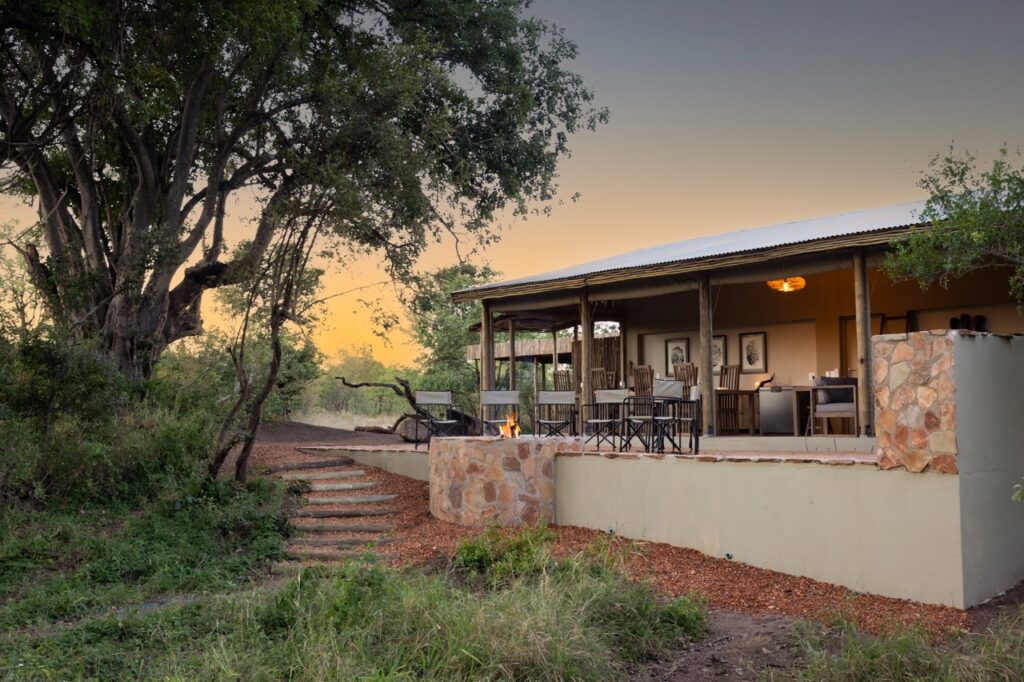
At Nkuwa Wilderness Camp, the remote setting offers an immersive way to experience the landscape as it responds to the rains. At the same time, properties such as Nyala Safari Lodge provide opportunities to observe how wildlife and water sources change with the season.
Each destination offers a different perspective, but the underlying experience is the same: watching the bush respond to the arrival of spring.
Seeing the bush differently
Spring isn’t about promising more wildlife or claiming one season is better than another. It is about experiencing a different side of the bush.
Winter’s dry landscape, summer’s lush vegetation and spring’s gradual transformation each reveal something different about the ecosystem.
Spring encourages you to notice the details: the first green shoots, the call of a returning bird, fresh tracks in the mud or a tiny animal following its mother.
Because the bush is never truly still. Every season brings change. And on safari, the most memorable moments come from simply being there to witness it.
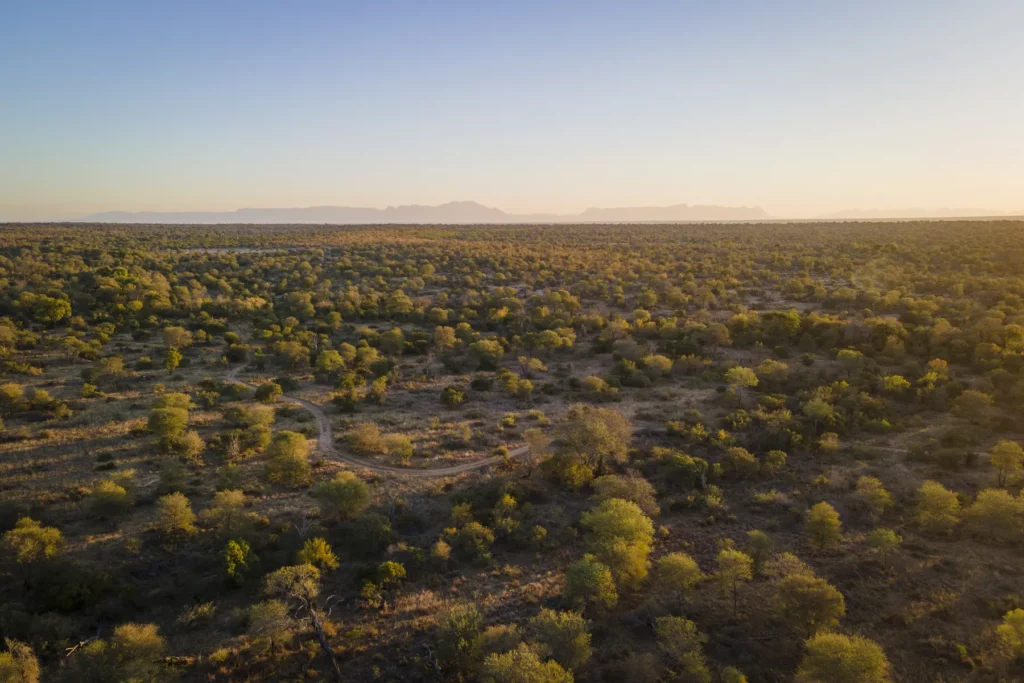
Experience spring in the South African wilderness
Ready to experience the changing seasons of the Greater Kruger for yourself? Explore the Sun Destinations collection and find your own way into the wild.