
Africa’s ecosystem is a delicate balance, with every piece working together in tandem to make things work. From the famed Big Five (lion, leopard, elephant, rhino and buffalo) to the smaller animals that are often overlooked, there is a whole system at play.
From vultures circling overhead to dung beetles working beneath your feet, every species has a role to play. Some shape habitats, some recycle nutrients, some regulate populations, and others help plants reproduce. Together, these interactions create the complex ecosystems that support African wildlife.
On safari, looking beyond the Big Five can reveal a much bigger story.

Elephants: The Ecosystem Engineers
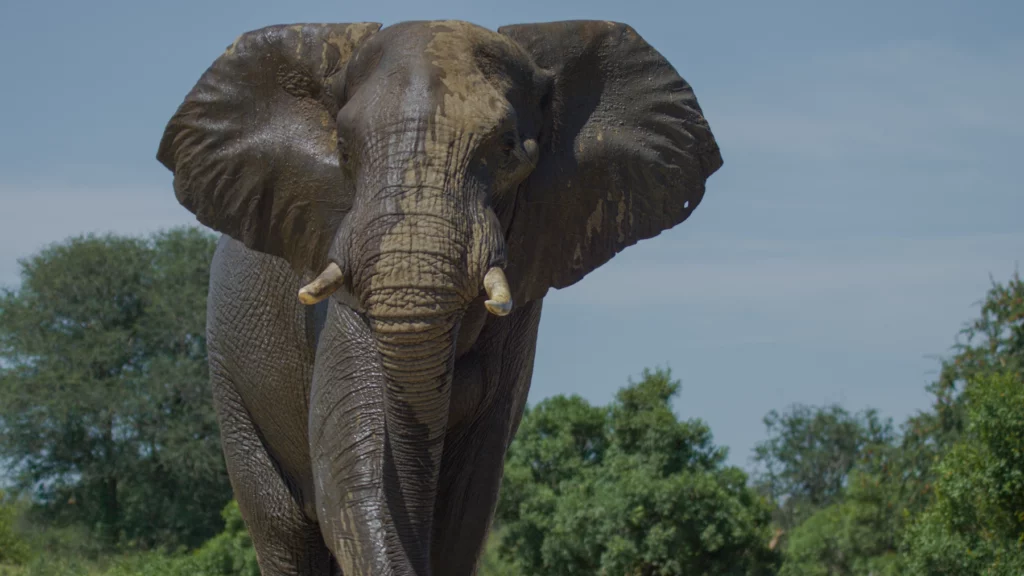
Elephants are often described as ecosystem engineers because their feeding and movement can significantly alter the environment around them.
As elephants feed, they break branches, strip bark, and push over trees. They also dig for water, create pathways through dense vegetation, and transport seeds over considerable distances. These activities can open up areas of vegetation, creating space and resources for other species.
Their dung is important too. It returns nutrients to the soil and provides food for insects such as dung beetles, which in turn help move those nutrients through the ecosystem.
An elephant sighting, therefore, is about more than watching one of Africa’s largest mammals. It is an opportunity to observe an animal actively shaping its surroundings.
Vultures: Nature’s Clean-Up Crew
Vultures may not be the first animals that come to mind when you think of an African safari, but they perform an essential ecological function.
As scavengers, vultures feed on carrion and help remove animal remains from the environment. Their highly specialised digestive systems allow them to process food that could otherwise harbour harmful bacteria and pathogens.
Different vulture species can also occupy different feeding niches. Some can tear through tough skin and tissues, while others feed on smaller pieces left behind by larger scavengers and predators.
When you see vultures gathering around a carcass, there is much more happening than a dramatic wildlife scene. You are watching an important part of the ecosystem’s natural recycling process.

Dung Beetles: Small animals, big role
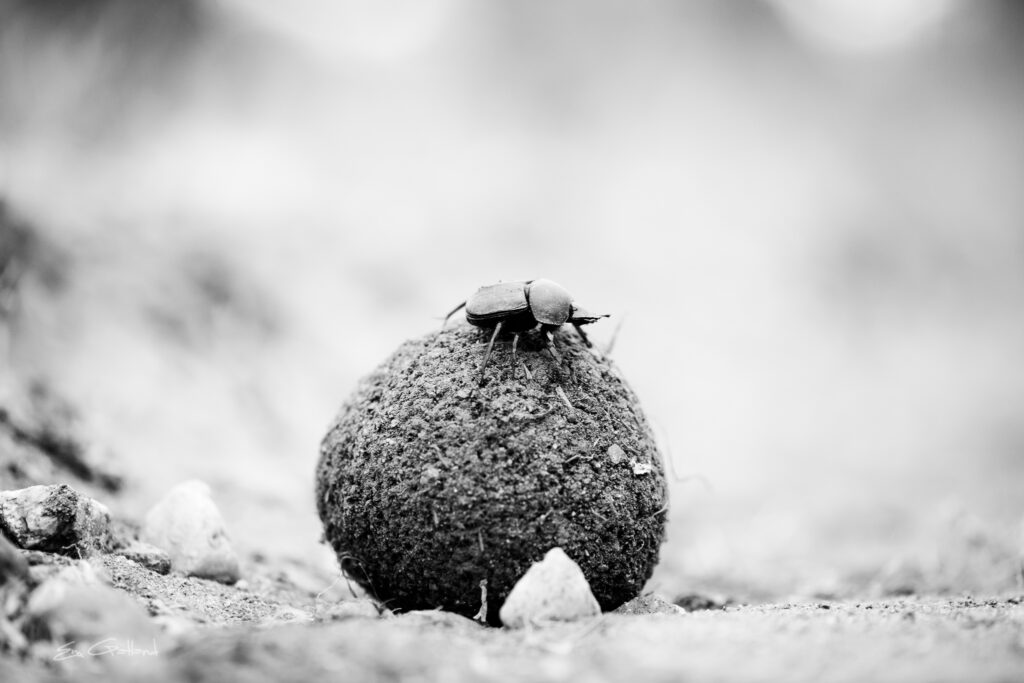
Dung beetles collect and bury dung, using it as food or a place to lay their eggs. In doing so, they help incorporate nutrients back into the soil and can improve soil structure and nutrient cycling.
They also form part of the food web themselves, providing prey for a variety of animals.
The next time you see a dung beetle rolling its ball across a game-drive track, it is worth stopping to watch. This tiny insect is helping keep the ecosystem functioning.
Predators: Maintaining balance
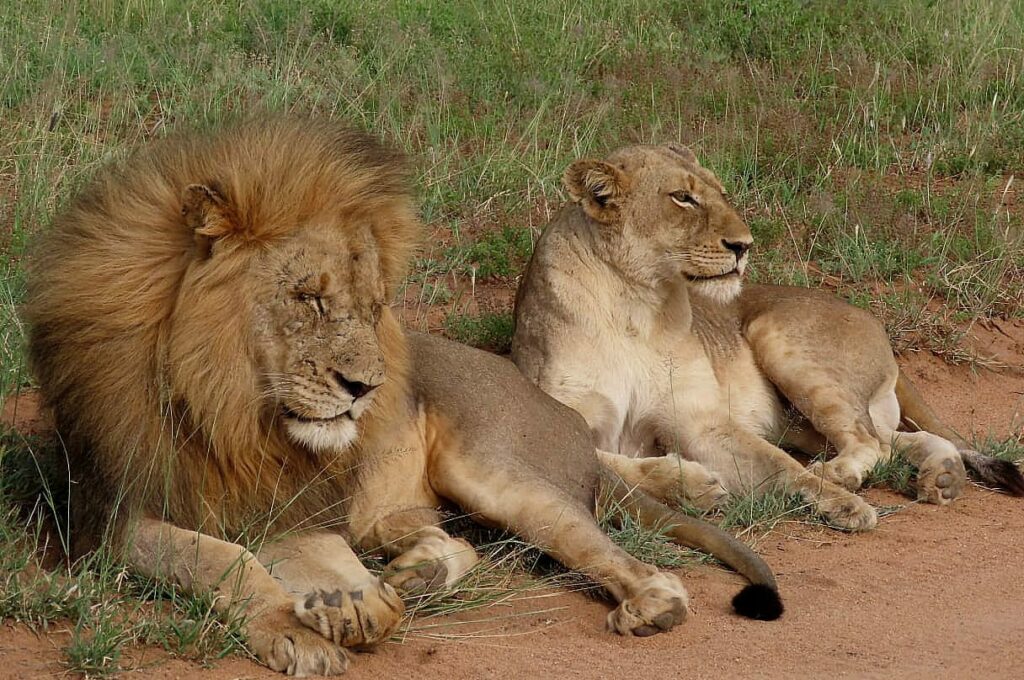
Lions, leopards, cheetahs, wild dogs, and smaller predators all play roles in regulating prey populations.
Predators influence where and how herbivores move, which can affect grazing patterns and vegetation. They also help remove individuals from prey populations, with factors such as age, condition, and opportunity influencing predation.
Predation is therefore not simply about one animal catching another. It is a natural process that connects species and helps shape an ecosystem.
Herbivores and the vegetation around them
From enormous buffalo to tiny antelope, herbivores have an equally important role.
Different species feed in different ways. Some graze grasses close to the ground, while others browse leaves, shoots, and branches. This variation means that numerous herbivore species can share the same landscape while using different food resources.
Their feeding also shapes vegetation, while their movement and dung support nutrient cycling and seed dispersal.
Even an apparently ordinary herd of impala can therefore tell you something about the health and functioning of the natural habitat around it.

The pollinators you might not notice
Bees, butterflies, beetles, moths and other insects can play important roles as pollinators. By moving between flowers, they help plants reproduce and contribute to the diversity of plant life.
Other insects perform different functions, from breaking down organic material to becoming food for birds, reptiles and mammals.
This is one reason biodiversity matters. An ecosystem is not built around its most visible species. It depends on thousands of interactions taking place at different levels, many of which happen quietly beneath our notice.

The importance of smaller carnivores
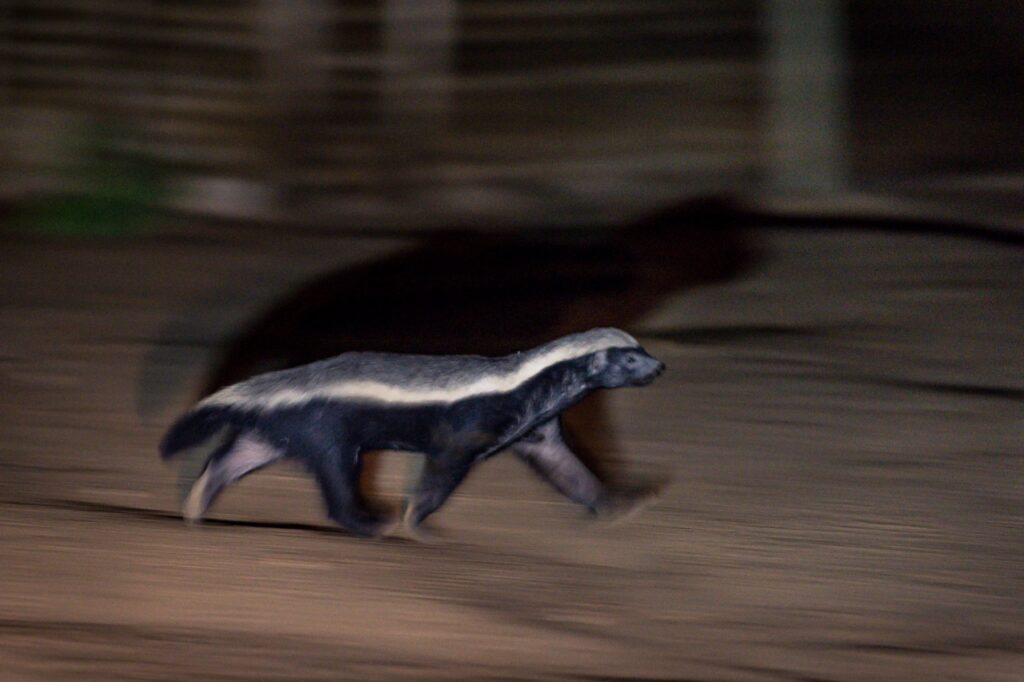
Species such as honey badgers, African wild cats, caracals, jackals, and mongooses have their own ecological roles. As predators and opportunistic feeders, they interact with rodents, reptiles, birds, insects, and other small animals. Their presence forms part of the natural balance between predator and prey.
Honey badgers, in particular, are a fascinating example of a species that is often encountered only briefly on safari. Their reputation may make them memorable, but their place within the ecosystem is just as interesting as their character.
Pangolins: A rare part of the bigger picture
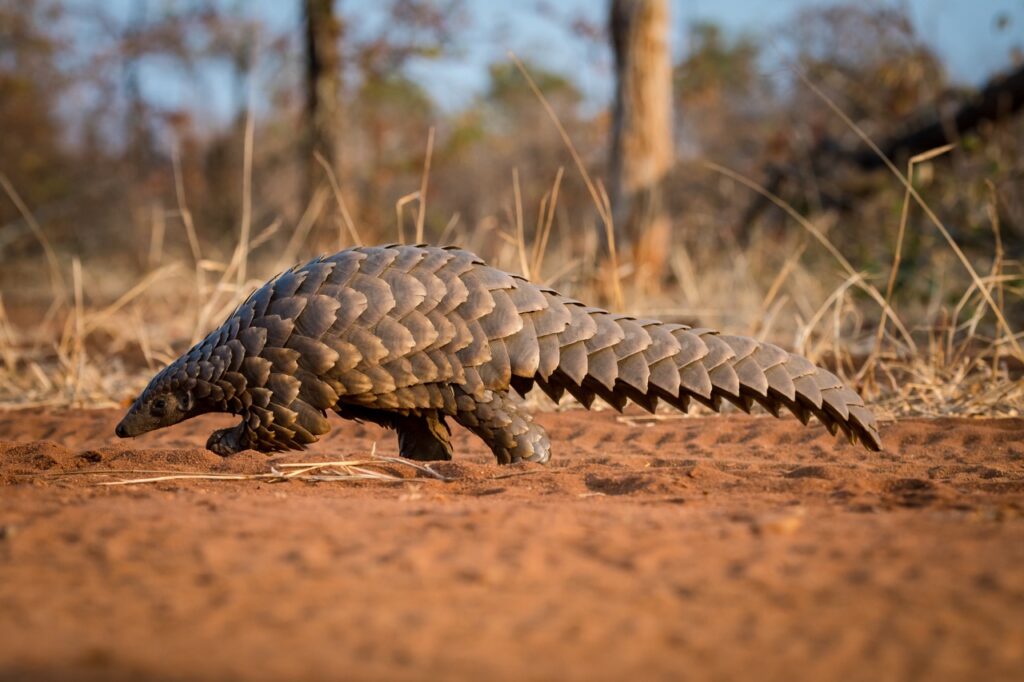
Pangolins are among Africa’s most unusual mammals, and sightings in the wild are rare. Their diet consists largely of ants and termites, which they locate using their keen sense of smell and specialised feeding adaptations.
By feeding on these insects and disturbing soil while foraging, pangolins form part of the wider network of interactions between animals and their environment.
Their rarity also highlights an important aspect of conservation: protecting biodiversity means protecting species that visitors may never see.
Looking beyond the Big Five
A healthy ecosystem is not defined by how many lions, elephants, or leopards it contains. It depends on the relationships between countless species: large and small, familiar and obscure.
The elephant opening up a pathway, the vulture cleaning up a carcass, the dung beetle returning nutrients to the soil, the pollinator moving between flowers, and the predator influencing prey behaviour are all pieces of the same ecological puzzle.
This is what makes a safari more than a search for sightings. Every track, insect, bird, plant and animal can offer another glimpse into how the natural world works.
Because when it comes to wildlife, every species has a story, and every species matters.
Come home to the wild and discover the connections that make Africa’s ecosystems so extraordinary. Explore the Sun Destinations safari camps and lodges and experience the wild beyond the Big Five.